 37 citations
,
May 2007 in “International Journal of Pharmaceutics”
37 citations
,
May 2007 in “International Journal of Pharmaceutics” PPCM microspheres allow controlled finasteride release over 24 hours.
 December 2025 in “Journal of Pharma Insights and Research.”
 Injectable cryogels can deliver drugs and aid tissue repair with minimal surgery.
2 citations
,
July 2025 in “Chemical Engineering Journal” The hydrogel dressing effectively treats infected wounds by combining infection control and tissue regeneration.
28 citations
,
December 2016 in “Journal of Biomedical Materials Research Part A” Bone-forming cells grow well in 3D polymer scaffolds with 35 µm pores.
 24 citations
,
April 2007 in “European Journal of Pharmaceutics and Biopharmaceutics”
24 citations
,
April 2007 in “European Journal of Pharmaceutics and Biopharmaceutics” Microparticles containing artocarpin extract could effectively treat hair loss and acne with minimal side effects.
 47 citations
,
July 2014 in “European Journal of Pharmaceutics and Biopharmaceutics”
47 citations
,
July 2014 in “European Journal of Pharmaceutics and Biopharmaceutics” Scientists created a gel with nanoparticles to deliver medicine to hair follicles effectively.
 1 citations
,
May 2020 in “bioRxiv (Cold Spring Harbor Laboratory)”
1 citations
,
May 2020 in “bioRxiv (Cold Spring Harbor Laboratory)” A special gel scaffold was made that speeds up wound healing and skin regeneration, even though it breaks down faster than expected.
62 citations
,
August 2023 in “International Journal of Nanomedicine” Pluronic F127-derived hydrogels show promise for effective wound healing and repair.
 16 citations
,
January 2023 in “Acta Biomaterialia”
16 citations
,
January 2023 in “Acta Biomaterialia” The hydrogel quickly stops bleeding and helps heal infected wounds.
 October 2023 in “Materials chemistry and physics (Print)”
 Adding keratin to a mix of cow hair and plant-based plastic makes it stronger.
 June 2026 in “International Journal of Drug Delivery Technology”
 The new gel improves acne treatment and skin health with better delivery and fewer doses.
 April 2025 in “Pharmaceuticals”
 APA is a promising new compound for repairing damaged hair, outperforming Olaplex® in strength and elasticity.
3 citations
,
July 2025 in “Gels” Engineered protein hydrogels improve medical treatments by mimicking natural body structures.
1 citations
,
January 2004 in “Cosmetics and toiletries” Polyquaternium-64 helps damaged hair look healthy again.
February 2026 in “Macromolecular Bioscience” Keratin-based hydrogels with calcium are effective for delivering anti-fibrotic drugs.
November 2025 in “Scientia Pharmaceutica” Injectable biostimulators can improve skin by boosting collagen and fat cell activity, but more research is needed to confirm their safety and effectiveness.
November 2022 in “Asian Journal of Pharmaceutical Research” The hydrogel with Finasteride provides controlled, sustained drug release and improved bioavailability.
 13 citations
,
March 2006 in “International Journal of Cosmetic Science”
13 citations
,
March 2006 in “International Journal of Cosmetic Science” The study found that a polymer treatment changes the charge on hair surfaces, making bleached hair smoother and less porous.
16 citations
,
March 2023 in “Gels” Paeonol-loaded gels may help reduce inflammation and skin damage in atopic dermatitis.
 11 citations
,
June 2023 in “Drug Delivery and Translational Research”
11 citations
,
June 2023 in “Drug Delivery and Translational Research” The gel with apocynin-loaded nanoparticles shows promise for treating rheumatoid arthritis.
 39 citations
,
April 2019 in “Journal of Biomaterials Science, Polymer Edition”
39 citations
,
April 2019 in “Journal of Biomaterials Science, Polymer Edition” RADA16 is a promising material for tissue repair and regenerative medicine but needs improvement in strength and cost.

Stiffness gradients in alginate gels can guide cancer cell invasion and study cellular behaviors.
July 2023 in “Nature Reviews Chemistry” A new method strengthens hair without using harmful chemicals.
13 citations
,
January 2024 in “Journal of Nanobiotechnology” The new wound dressing improves healing and tissue repair better than conventional dressings.
100 citations
,
December 2021 in “Biomedicine & Pharmacotherapy” Starch and cellulose are promising for drug delivery and tissue engineering due to their biocompatibility.
 14 citations
,
January 2020 in “Biomaterials Science”
14 citations
,
January 2020 in “Biomaterials Science” Created microspheres show potential for safe and effective use in prostate artery embolization.
 April 2026 in “Microsystems & Nanoengineering”
 HA-gel-dex hydrogels help heal wounds and regenerate tissue effectively.
 61 citations
,
September 2016 in “NPG Asia Materials”
61 citations
,
September 2016 in “NPG Asia Materials” Glycol chitosan hydrogels enable quick, safe 3D cell spheroid formation for various applications.
 2 citations
,
September 1980 in “Experientia”
2 citations
,
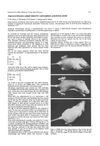
September 1980 in “Experientia” Polyethylene alanine caused hair loss in young lab animals but not in adults, with hair regrowth occurring within 20 days.
2 citations
,
July 2024 in “Materials Today Communications” The FN3-Alg hydrogel effectively heals irregular wounds and promotes hair growth.