Search
for
Sort by
Research
360-390 / 1000+ results
research Trends in biopolymer science applied to cosmetics
Biopolymers are increasingly used in cosmetics for their non-toxicity and skin benefits, with future biotech advancements likely to expand their applications.

research Photo-Cross-Linked and Photothermal Flammulina velutipes Polysaccharide Hydrogel Loaded with Caffeic Acid-Copper Nanozyme for Diabetic Wound Healing
The hydrogel effectively heals diabetic wounds, closing over 90% within 7 days.

research Development of the composition of the gel base for treating telogen effluvium
The best gel to treat a type of hair loss has 1% sodium alginate, 1% carbopol, 5% glycerin, 0.2% potassium sorbate, and water.
research Delipidisation of wool fibres and the subsequent beneficial properties of delipidised wool fibres
Delipidised wool is brighter, dyes better, and is more eco-friendly.

research Drug conjugates crosslinked bioresponsive hydrogel for combination therapy of diabetic wound.
The hydrogel significantly improves healing in diabetic wounds.

research Waterborne electrospun α-lactalbumin/soy protein isolate nanofibers for wound healing
The nanofibers made from α-lactalbumin and soy protein improve wound healing.
research Incorporating redox-sensitive nanogels into bioabsorbable nanofibrous membrane to acquire ROS-balance capacity for skin regeneration
The developed materials improved wound healing by balancing ROS levels.

research An injectable photo-crosslinking silk hydrogel system with biphasic release of BTXA and 5-Fu promotes scarless wound healing
The hydrogel helps heal wounds without scars by releasing two drugs gradually.
research Formulation of Hair Gels Based on Mango Pectin and “Makoré” Butter
Gel D shows promise as a natural hair care solution for traction alopecia.
research Ultrasound Depolymerization and Characterization of Poly- and Oligosaccharides from the Red Alga Solieria chordalis (C. Agardh) J. Agardh 1842
Ultrasound can safely produce beneficial carrageenan from red algae.

research Insights on the mechanical behavior of keratin fibrils
Keratin's mechanical properties are influenced by hydrogen bonds and secondary structure, and can be improved with the SPD-2 peptide.
research Evaluation of a Novel Hybrid Polymer in Hair Treatment
The new hybrid polymer improves dyed hair's color, feel, and manageability.
research Preparation of human hair keratin/calcium alginate blend films
More human hair protein makes the films weaker and less clear.
research Mechanical properties characterization of human hair fibers cortex region by multiparametric Atomic Force Microscopy mapping
The active ingredient improves the strength of damaged hair fibers.

research The Role of Methylacrylylated Hyaluronic Acid Hydrogels in Promoting Skin Wound Healing
HAMA hydrogels speed up skin wound healing by reducing inflammation and boosting collagen production.
research Glycyrrhizic acid attenuates stem cell-like phenotypes of human dermal papilla cells
Glycyrrhizic acid may help reduce unwanted hair growth.
research A Novel and Safe Modality for Non-Surgical Hair Restoration using Polydioxanone Monofilament Threads
PDO threads are effective and safe for non-surgical hair restoration.
research An injectable fibronectin3-alginate hydrogel driven by dynamic dissolving equilibrium for irregular wound repair
The FN3-Alg hydrogel effectively heals irregular wounds and promotes hair growth.
research Melanocytes from the outer root sheath of human hair and epidermal melanocytes display improved melanotic features in the niche provided by cGEL, oligomer-cross-linked gelatin-based hydrogel
cGEL hydrogel improves melanin production in skin cells, making it a promising option for skin treatments.

research The effect of glycyrrhizic acid and aqueous licorice extract on hair growth retardation : in vitro mechanistic and efficacy studies in human
Glycyrrhizic acid and licorice extract can significantly reduce unwanted hair growth.

research Double Network Physical Crosslinked Hydrogel for Healing Skin Wounds: New Formulation Based on Polysaccharides and Zn2+
The new hydrogel with zinc and polysaccharides improves wound healing and has antibacterial properties.

research Polyethylene-Glycol-Ornamented Small Intestinal Submucosa Biosponge for Skin Tissue Engineering
The new SIS-PEG sponge is a promising material for skin regeneration and hair growth.
research Integrated Analysis of Methylome and Transcriptome Changes Reveals the Underlying Regulatory Signatures Driving Curly Wool Transformation in Chinese Zhongwei Goats
PDGFC gene may help select goats with desirable curly wool traits.
research Microporous Dermal-Like Electrospun Scaffolds Promote Accelerated Skin Regeneration
Microporous scaffolds speed up skin healing and regeneration.
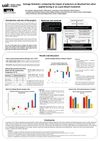
research Damage limitation: comparing the impact of polymers on bleached hair, when applied within or as post-bleach treatments
Polymers help reduce damage and improve bleached hair when used during or after bleaching.
research Characterization of the exocuticle a‐layer proteins of wool
The outer layer of Merino wool is rich in sulfur proteins, making it resistant to damage.
research Micropore-forming photocurable tissue adhesive promotes cell infiltration for wound healing
A new tissue adhesive helps wounds heal better by allowing more cells to enter.

research 3D Printing of Skin Equivalents with Hair Follicle Structures and Epidermal‐Papillary‐Dermal Layers Using Gelatin/Hyaluronic Acid Hydrogels
Scientists created a 3D printed skin that includes hair and layers similar to real skin using a special gel.

research Dynamic Hyaluronic Acid Hydrogels for Comprehensively Regulating Inflammation, Angiogenesis, and Metabolism to Effectively Proheal Diabetic Wounds
The new hydrogel helps heal diabetic wounds by reducing inflammation and improving tissue repair.