4 citations
,
October 2015 in “JAAD Case Reports” Surgical grafting may fix nail issues caused by valproic acid.
3 citations
,
November 2020 in “PubMed” Stiffer hydrogels better promote stem cells turning into hair follicle cells.
June 2026 in “Annals of Clinical Pathology” Methylene blue, combined with ceramides, may reduce skin and hair side effects from GLP-1 therapy.
March 1994 in “Proceedings of the British Society of Animal Production” Angora goats produce more hair faster than Cashmere goats.
3 citations
,
May 1991 in “Journal of Investigative Dermatology”  April 2026 in “Inflammopharmacology”
 Punica granatum leaf extract may help treat skin fibrosis by reducing inflammation and oxidative stress.
Keratin gel may help repair damaged nerves.
63 citations
,
December 1998 in “Biochimica et Biophysica Acta (BBA) - Protein Structure and Molecular Enzymology” The study improved understanding of keratin fiber structure by showing consistent microfibril diameter but varying distances and electron density profiles.
 2 citations
,
June 2023 in “Gels”
2 citations
,
June 2023 in “Gels” Injectable hydrogels are becoming increasingly useful in medicine for drug delivery and tissue repair.
October 2017 in “Institutional Repositories DataBase (IRDB)” Polyacetylene compounds from Panax ginseng may slow hair growth.
1 citations
,
September 2025 in “Frontiers in Veterinary Science” Ganxi goats' skin and hair adapt to heat and humidity, possibly aided by GSDMA protein.
6 citations
,
April 2001 in “The Anatomical Record” A new method using hair pores can help align skin grafts better, improving results.
 7 citations
,
December 2020 in “ACS biomaterials science & engineering”
7 citations
,
December 2020 in “ACS biomaterials science & engineering” Human hair keratins can form stable nanofiber networks that might help in tissue regeneration.
10 citations
,
February 2014 in “Fitoterapia” Pomiferin may improve skin and hair by increasing important protein production.
 January 2024 in “Archives of Biological Sciences (Beograd)”
 AP collagen peptides may help hair grow better and become stronger.
19 citations
,
May 2016 in “Cytotechnology” 17 citations
,
March 2022 in “BMC Genomics” Cashmere fiber diameter in Tibetan goats is influenced by their stress, oxygen, and metabolic adaptations.
 15 citations
,
December 2016 in “Advanced Pharmaceutical Bulletin”
15 citations
,
December 2016 in “Advanced Pharmaceutical Bulletin” The new cream with N-acetyl glucosamine didn't change skin color after 8 weeks.
 January 2018 in “Indian Dermatology Online Journal”
 Trichoscopy can help tell the difference between artificial hair fibers and other scalp artifacts.
Different amounts of propylene glycol change the thickness of katuk leaf hair tonic.
19 citations
,
September 1971 in “Journal of Investigative Dermatology”  April 2025 in “Antioxidants”
 Rhus semialata gall extract and Penta-O-Galloyl-β-D-Glucose may effectively reduce hair loss.
January 1991 in “Acta Dermato Venereologica” A new method effectively visualizes keratin in hair without harsh chemicals.
April 2026 in “Journal of Dermatological Treatment” CGF and i-PRF are more effective and safer than PRP for treating female pattern hair loss.
 1 citations
,
April 2023 in “Langmuir”
1 citations
,
April 2023 in “Langmuir” Damaged hair allows water to penetrate more easily, and fatty acids from shampoos can deposit on hair surfaces.
 March 2014 in “Journal of The American Academy of Dermatology”
 Mycophenolic acid may help hair grow by activating pathways important for hair growth.
50 citations
,
December 2017 in “Nanoscale” Polymeric micelle nanocarriers deliver adapalene more effectively to hair follicles than commercial products.
 54 citations
,
January 2013 in “Journal of Biological Macromolecules”
54 citations
,
January 2013 in “Journal of Biological Macromolecules” A new method effectively separates keratin-associated proteins and keratin from human hair.
 February 2019 in “PubMed”
 The research found that twisting hair fibers can show changes in stiffness and damage, and help tell apart different hair treatments.
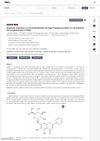
Enzymatic synthesis improved the water solubility of the flavonoid baicalin, which may help treat hair loss conditions.