4 citations
,
May 1981 in “Australian Journal of Biological Sciences” Rat hair follicle cells can produce and release various glycosaminoglycans over time.
January 2025 in “Figshare” Compound glycyrrhizin with conventional treatments is effective and safe for promoting hair regrowth in alopecia areata.
5 citations
,
May 2024 in “Molecules” Glycyrrhetinic acid from licorice may help treat acne by reducing inflammation and oil production.
April 2025 in “Annals of Medicine” Compound glycyrrhizin with conventional treatments is effective and safe for hair regrowth in alopecia areata.
 May 2026 in “Frontiers in Pharmacology”
 Dendrobium officinale polysaccharide helps hair regrowth in hair loss mice by affecting local steroid metabolism and hair follicle responses.
 2 citations
,
January 2023 in “Bioresource Technology Reports”
2 citations
,
January 2023 in “Bioresource Technology Reports” Enzymes can release hydrocarbons from Botryococcus braunii without harming cells, suggesting potential for continuous extraction.
10 citations
,
January 2012 in “International Journal of Cosmetic Science” Thioglycolic acid mainly affects the unordered areas in hair structure.
 April 2024 in “Chemical engineering journal”
 The new hydrogel made from thymol and glycyrrhizin helps heal MRSA-infected wounds in rats effectively.
262 citations
,
May 2020 in “Advanced Functional Materials” The hydrogel promotes faster healing of infected wounds by enhancing tissue regeneration and preventing infection.
 January 2026 in “Materials Horizons”
 The hydrogel helps wounds heal without scars and promotes new hair growth.
 June 2023 in “International Journal of Clinical Research and Reports”
 Method B with propylene glycol is better for stable low-concentration DPCP solutions for alopecia areata.
March 2026 in “Chemical Engineering Journal” The hydrogel helps heal diabetic wounds by combining antibacterial, antioxidant, and immune-boosting effects.
6 citations
,
October 2024 in “Frontiers in Bioengineering and Biotechnology” A special hydrogel helps stem cells heal wounds better by boosting growth factors.
 1 citations
,
December 2016 in “Vìsnik farmacìï”
1 citations
,
December 2016 in “Vìsnik farmacìï” The best gel to treat a type of hair loss has 1% sodium alginate, 1% carbopol, 5% glycerin, 0.2% potassium sorbate, and water.
78 citations
,
February 2024 in “ACS Omega” The scaffold is a promising material for wound healing and tissue engineering.
 September 2011 in “Clinical Biochemistry”
 Glycoconjugates help heal hair follicles during skin repair.
Self-assembling peptide hydrogels effectively deliver drugs locally, enhancing treatment and reducing side effects.
12 citations
,
July 2017 in “International Journal of Cosmetic Science” N‐AOHPA is a promising alternative to traditional surfactants for better hair conditioning.
 1 citations
,
July 2023 in “Biomimetics”
1 citations
,
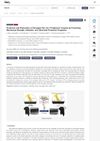
July 2023 in “Biomimetics” A new hair treatment using a natural polyphenol complex improves hair strength, reduces static, and protects against UV damage.
October 2017 in “Our Dermatology Online” DCP in isopropanol is better tolerated for treating alopecia areata.
5 citations
,
November 2024 in “Biomedicine & Pharmacotherapy” The chitosan-peptide system helps cartilage regeneration using fat-derived cells.
June 2026 in “Materials Today Bio” The hydrogel helps heal skin and reduce inflammation.
 101 citations
,
July 2021 in “Nature Communications”
101 citations
,
July 2021 in “Nature Communications” 4D polycarbonate scaffolds show promise for soft tissue repair due to their biocompatibility, shape memory, and minimal immune response.
 November 2023 in “Regenerative Biomaterials”
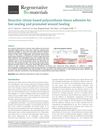
 The new adhesive seals wounds quickly, works well in wet conditions, and helps with healing.
 2 citations
,
September 1980 in “Experientia”
2 citations
,
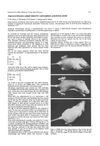
September 1980 in “Experientia” Polyethylene alanine caused hair loss in young lab animals but not in adults, with hair regrowth occurring within 20 days.
 October 2022 in “ACS Applied Materials & Interfaces”
 The hydrogel is versatile and easy to make.

The hydrogel significantly improves healing in diabetic wounds.
 July 2024 in “Biological and Pharmaceutical Bulletin”
 Licorice extract helps hair growth and may treat hair loss.
10 citations
,
August 2021 in “Cosmetics” The best shampoo formula used 1% high-weight hyaluronic acid, 10% acidic sophorolipid, and 1% salt for effective hair conditioning and cleansing without sulfates or silicones.
 June 2022 in “Scientific Reports”
 Prevelex, a polyampholyte, can create a cell-repellent coating on microdevices, which can be useful in biomedical applications like hair follicle regeneration.