47 citations
,
October 2021 in “Journal of Nanobiotechnology” HPDAlR nanoparticles greatly improve skin wound healing without toxicity.
76 citations
,
February 1993 in “Journal of Biological Chemistry” KAP6 genes are conserved across species and active in hair follicles.
 2 citations
,
September 1980 in “Experientia”
2 citations
,
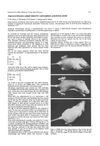
September 1980 in “Experientia” Polyethylene alanine caused hair loss in young lab animals but not in adults, with hair regrowth occurring within 20 days.
October 2012 in “Faculty Opinions – Post-Publication Peer Review of the Biomedical Literature” Thymic peptides can either promote or inhibit human hair growth.
April 2026 in “SSRN Electronic Journal” 24 citations
,
October 2019 in “Genes” A new sheep gene, KRTAP36-1, may help breed sheep with better wool by reducing prickle factor.
57 citations
,
January 1987 in “Journal of Biological Chemistry” Different keratins have unique expression patterns in mouse skin cells.
January 2026 in “International Journal of Molecular Sciences” Topical peptides may offer safer, effective pain relief and healing for wounds.
 13 citations
,
July 2017 in “Biopolymers”
13 citations
,
July 2017 in “Biopolymers” Recombinant keratins can form useful structures for medical applications, overcoming natural keratin limitations.
Trichohyalin, a protein from pig tongue, was purified and found to have a filamentous structure.
 9 citations
,
July 2014 in “Experimental Dermatology”
9 citations
,
July 2014 in “Experimental Dermatology” PTHRP agonists can stimulate hair growth, especially in damaged follicles, while antagonists may initially increase growth but ultimately inhibit it.
 March 2025 in “Journal of Science Natural Science”
 Acetyl tetrapeptide-3 was successfully made for use in hair loss treatments.
77 citations
,
April 2005 in “Journal of Investigative Dermatology” Repetin is a protein involved in skin and hair development, binding calcium and compensating for other proteins when needed.
5 citations
,
January 2017 in “Chalmers Publication Library (Chalmers University of Technology)” Cubosomes enhance antimicrobial peptide stability and effectiveness.
 165 citations
,
January 2008 in “Journal of biomaterials science. Polymer ed.”
165 citations
,
January 2008 in “Journal of biomaterials science. Polymer ed.” The peptide GHK-Cu helps heal and remodel tissue, improves skin and hair health, and has potential for treating age-related inflammatory diseases.
 3 citations
,
January 2005 in “Biological & Pharmaceutical Bulletin”
3 citations
,
January 2005 in “Biological & Pharmaceutical Bulletin” The peptide GPIGS helps hair cells grow and speeds up hair regrowth in mice.
August 2025 in “Bioactive Materials” Ac-GFFY-IGF peptide is a promising, safe, and effective treatment for hair loss, better than current options.
2 citations
,
January 1993 Trichohyalin is a versatile protein involved in hair and skin structure.
 November 2022 in “Journal of Investigative Dermatology”
 Fish-derived collagen may help hair grow longer and affect hair stem cells, while bovine collagen could benefit hair stem cell maintenance, potentially aiding in hair loss conditions.
5 citations
,
January 1997 in “Birkhäuser Basel eBooks” March 1998 in “Journal of Dermatological Science” Keratin-associated proteins may have roles in various mouse tissues, not just hair.

Collagen peptides may help maintain hair growth and could be beneficial for hair loss conditions.
Lablab purpureus peptides may effectively kill cancer cells with fewer side effects.
478 citations
,
September 1996 in “Proceedings of the National Academy of Sciences” Overexpression of PTHrP in chondrocytes causes short-limbed dwarfism and delayed bone formation in mice.
16 citations
,
June 1992 in “Journal of Investigative Dermatology” 198 citations
,
March 1999 in “Journal of Investigative Dermatology” Keratin 15 helps maintain tissue integrity and is reduced in activated keratinocytes.
175 citations
,
August 1997 in “Nature Genetics” 52 citations
,
June 1991 in “Journal of Virology” The hamster polyomavirus middle T antigen is linked to tumors in hamsters and associates with a specific tyrosine kinase.
32 citations
,
February 2018 in “Spectrochimica acta. Part A, Molecular and biomolecular spectroscopy” Cosmetic residues on individual hairs can be identified and differentiated using ATR FT-IR microspectroscopy.
16 citations
,
August 2021 in “Tumor Biology” TMPRSS2 helps viruses enter cells and protects the prostate from inflammation-related cancer.