 April 2026 in “Human Genome Variation”
 The MBTPS2 gene variant c.970+5G>A is a common mutation causing IFAP syndrome.
Par3–mInsc and Gαi3 work together to ensure proper cell division orientation in skin development.
August 2009 in “Mechanisms of Development” 61 citations
,
September 2011 in “Pain” PEA reduces pain by increasing neurosteroid synthesis in the spinal cord.
 32 citations
,
May 2012 in “PloS one”
32 citations
,
May 2012 in “PloS one” Thymic transplantation normalized some T-cells but not others, maintaining immune function.
 April 2023 in “Journal of Investigative Dermatology”
 Treprostinil, a drug, can delay wound healing in healthy cells but doesn't affect diabetic foot ulcer cells, suggesting further research could help understand its role in treating these ulcers.
18 citations
,
June 2016 in “Brain Research” Increasing TSPO in the brain may help improve memory problems.
 April 2026 in “Zenodo (CERN European Organization for Nuclear Research)”
 Potential compounds may inhibit hair loss by targeting a non-androgen pathway.
January 2008 in “Journal of Medicinal Chemistry” Finasteride may cause sexual and psychological side effects by affecting an enzyme related to epinephrine.
 October 2024 in “SPIRE - Sciences Po Institutional REpository”
 Glypicans help hair follicle stem cells differentiate by interacting with specific receptors, influencing hair growth.
 October 2024 in “Journal of the Endocrine Society”
 Certain genetic variants impair enzyme activity, contributing to non-classic congenital adrenal hyperplasia.
 April 2026 in “Zenodo (CERN European Organization for Nuclear Research)”
 Potential compounds may inhibit hair loss by targeting a non-androgen pathway.
 May 2017 in “Journal of The American Academy of Dermatology”
 PLAU and SerpinB2 affect cell death differently in various forms of leprosy and could be targets for new treatments.
 13 citations
,
July 2019 in “Journal of Dermatological Science”
13 citations
,
July 2019 in “Journal of Dermatological Science” Increasing alkaline phosphatase in human skin cells helps to grow more hair.
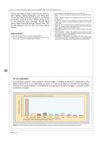
The document corrects a mistake by stating that pimecrolimus, not tacrolimus, is the drug that concentrates in the skin.
4 citations
,
April 2024 in “The Journal of Cell Biology” Caspase-1 helps hair stem cells move to heal wounded or inflamed skin.
June 2026 in “Biomolecules and Biomedicine” Phoenixin levels are higher in PCOS patients and may help in diagnosis.
MIR135b affects wound healing by targeting genes, and PDRN may help heal wounds by altering this pathway.
91 citations
,
July 2004 in “Journal of Biological Chemistry” Overexpressing SSAT enzyme reduces prostate tumor growth in mice.
 9 citations
,
August 2018 in “Biomedical dermatology”
9 citations
,
August 2018 in “Biomedical dermatology” A peptide called DPS-1 helps human scalp cells grow and stimulates hair growth in mice.
 159 citations
,
December 2007 in “American Journal of Pathology”
159 citations
,
December 2007 in “American Journal of Pathology” Stress-related substance P may lead to hair loss and negatively affect hair growth.
380 citations
,
March 2000 in “Proceedings of the National Academy of Sciences” Overexpressing GLI-1 in mice skin can cause tumors like human basal cell carcinomas.
1 citations
,
September 2004 in “Experimental Dermatology” MC-1R is present in skin cells and may help reduce inflammation.
8 citations
,
August 2018 in “Journal of Investigative Dermatology”  31 citations
,
October 2010 in “Progress in lipid research”
31 citations
,
October 2010 in “Progress in lipid research” LPA3 is crucial for embryo implantation and links LPA to prostaglandin signaling.
2 citations
,
July 2004 in “Cell Biology International” uPA helps hair follicle cells grow.
 28 citations
,
May 2019 in “Life Sciences”
28 citations
,
May 2019 in “Life Sciences” Ginsenoside Rb1 from Panax ginseng helps mink hair grow by activating certain cell signals.
478 citations
,
September 1996 in “Proceedings of the National Academy of Sciences” Overexpression of PTHrP in chondrocytes causes short-limbed dwarfism and delayed bone formation in mice.
February 2024 in “bioRxiv (Cold Spring Harbor Laboratory)” Increased energy use in Pik3r1-related insulin resistance isn't due to Ucp1 thermogenesis.
74 citations
,
September 2003 in “The Journal of Immunology” Activating PKCα in skin causes cell death and inflammation through different pathways.