 November 2022 in “Journal of clinical images and medical case reports”
 COVID-19 can cause hair loss in both severe and mild cases, often affecting women.
 44 citations
,
January 2021 in “Dermatologic Therapy”
44 citations
,
January 2021 in “Dermatologic Therapy” COVID-19 may cause hair loss due to infection stress or treatments.
 2 citations
,
September 2021 in “Orphanet Journal of Rare Diseases”
2 citations
,
September 2021 in “Orphanet Journal of Rare Diseases” People with hypohidrotic ectodermal dysplasia are more likely to experience long-term fatigue and hair loss after COVID-19.
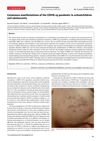 January 2023 in “Acta dermatovenerologica Alpina, Pannonica et Adriatica (Tiskana izd.)”
 The article concludes that schoolchildren and adolescents experienced various skin issues during the COVID-19 pandemic, including acne from masks and other skin reactions from the virus and vaccines.
2 citations
,
September 2022 in “Frontiers in Nutrition” High-dose vitamin D3 does not improve symptoms or quality of life in COVID-19 patients after one year.
 March 2026 in “Frontiers in Pediatrics”
 COVID-19 may trigger hair loss conditions like alopecia areata.
 2 citations
,
July 2023 in “Life”
2 citations
,
July 2023 in “Life” COVID-19 can cause temporary hair loss, which is commonly reversible with treatment.
6 citations
,
November 2024 in “Medicine International” Nearly 20% of recovered COVID-19 patients have skin issues, with hair loss and rashes being common.
 May 2022 in “Journal of the Egyptian Women's Dermatologic Society (Print)”
 Women's hair loss can be due to hormonal changes and various conditions, with treatments focusing on stopping progression and managing symptoms.
 January 2023 in “Brazilian Journals Editora eBooks”
 Nursing staff's mental health was affected during the COVID-19 pandemic.
 8 citations
,
May 2022 in “Journal of medicine and life”
8 citations
,
May 2022 in “Journal of medicine and life” COVID-19 patients may experience hair loss, but it's not linked to their age or sex.
 7 citations
,
September 2020 in “Journal of Cosmetic Dermatology”
7 citations
,
September 2020 in “Journal of Cosmetic Dermatology” Minoxidil and Finasteride are the most popular hair loss treatments, with rising interest in other options, and economic or health crises can change what treatments people prefer.
 1 citations
,
May 2023 in “Revista Eletrônica Acervo Saúde”
1 citations
,
May 2023 in “Revista Eletrônica Acervo Saúde” Alopecia after COVID-19 negatively impacts quality of life, especially vitality.
 July 2026 in “Dermatology and Therapy”
 Hair growth supplements significantly improve hair growth and health in women.
 15 citations
,
December 2011 in “Journal of the European Academy of Dermatology and Venereology”
15 citations
,
December 2011 in “Journal of the European Academy of Dermatology and Venereology” Hair loss in systemic lupus erythematosus patients is unique and improves with treatment.
 June 2024 in “Nature Cell and Science”
 The Scalp Coverage Scoring method reliably measures hair density from images.
 3 citations
,
September 2022 in “Frontiers in psychiatry”
3 citations
,
September 2022 in “Frontiers in psychiatry” University students in Egypt experienced high stress during COVID-19's third wave, with negative coping mechanisms being more common.
 May 2022 in “Rossijskij žurnal kožnyh i veneričeskih boleznej”
 Alopecia areata is complex, often recurring, and needs personalized treatment, especially with other health issues.
3 citations
,
August 2022 in “International Journal of Molecular Sciences” COVID-19 can cause hair loss, and treatments like PRP and stem cells might help.
 January 2022 in “Clinical Cases in Dermatology”
 Stress can cause temporary hair loss, which usually gets better after the stress is gone.
COVID-19 may trigger or worsen rapid hair loss in alopecia areata.
 2 citations
,
January 2023 in “Dermatology practical & conceptual”
2 citations
,
January 2023 in “Dermatology practical & conceptual” COVID-19 diagnosis is linked to new or worsening hair diseases, with stress from the pandemic likely contributing.
August 2025 in “IntechOpen eBooks” Long COVID affects many survivors with ongoing symptoms, needing more research and care.
 40 citations
,
November 2009 in “Experimental Dermatology”
40 citations
,
November 2009 in “Experimental Dermatology” The mineralocorticoid receptor may play a role in skin and hair health and could be a new target for treating related disorders.
May 2023 in “Clinical and translational neuroscience” Tailored neurorehabilitation programs improve life quality for post-COVID-19 patients.
1 citations
,
July 2025 in “Frontiers in Pharmacology” FMH foods may help manage post-acute COVID-19 symptoms safely and easily.

Dr. Min's method for eyebrow and eyelash transplantation is effective, with most hairs regrowing, and proper recovery is crucial for success.
 4 citations
,
June 2022 in “Indian Dermatology Online Journal”
4 citations
,
June 2022 in “Indian Dermatology Online Journal” COVID-19 may cause temporary hair loss due to direct damage to hair follicles, but it usually gets better on its own.
 November 2025 in “Scientific Reports”
 COVID-19 may cause hair loss by affecting hair follicles.
 April 2024 in “Clinical dermatology review (Print)”
 Most women aged 20-40 in the study lost hair diffusely and in volume over 6 weeks to 6 months, mainly due to telogen effluvium, often without a clear cause.