 1 citations
,
October 2023 in “International Journal of Ayurvedic Medicine”
1 citations
,
October 2023 in “International Journal of Ayurvedic Medicine” Rasayana therapy can enhance female reproductive health at different life stages.
 November 2025 in “SKIN The Journal of Cutaneous Medicine”
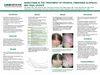
 Baricitinib shows promise in improving frontal fibrosing alopecia symptoms.
Sunekos® effectively improves labia majora appearance and is well-tolerated.
 January 2023 in “Seven Editora eBooks”
 A rare ovarian tumor was diagnosed in a woman from North Brazil, and surgery is the preferred treatment.
Linalool in personal care products may worsen frontal fibrosing alopecia by damaging hair follicle stem cells and triggering harmful immune responses.
January 2017 in “Journal of Antivirals & Antiretrovirals” Treatment strategies for breast cancer affect blood health, causing issues like anemia and require nutritional counseling.
 September 2013 in “Hair transplant forum international”
 The document says doctors should identify and treat Frontal fibrosing alopecia medically before considering surgery, as treatments often don't work well.
 May 2011 in “Expert Review of Endocrinology & Metabolism”
 Breast cancer survivors may have a higher risk of falls, tamoxifen could prevent breast cancer and deaths, new guidelines urge caution with prostate cancer therapy, and early balding in men may indicate a higher prostate cancer risk.
 4 citations
,
May 2021 in “Dermatologic Clinics”
4 citations
,
May 2021 in “Dermatologic Clinics” The conclusion is that hair loss in women is caused by a mix of hormonal, environmental, and genetic factors, and treatments should target these various causes.
2 citations
,
July 2023 in “AACE Clinical Case Reports” Ovarian vein sampling can effectively locate ovarian tumors when imaging is unclear.
 67 citations
,
October 2005 in “Annals of Oncology”
67 citations
,
October 2005 in “Annals of Oncology” Fulvestrant is a well-tolerated new treatment for advanced breast cancer that may delay chemotherapy.
 20 citations
,
January 2016 in “Intractable & Rare Diseases Research”
20 citations
,
January 2016 in “Intractable & Rare Diseases Research” Combination therapy, especially with finasteride, is effective for treating frontal fibrosing alopecia.
 17 citations
,
October 2017 in “Journal of Cutaneous Medicine and Surgery”
17 citations
,
October 2017 in “Journal of Cutaneous Medicine and Surgery” No treatment has been proven to effectively stop hair loss or regrow hair in Frontal Fibrosing Alopecia, and more research is needed.
14 citations
,
January 2014 in “Indian Journal of Dermatology Venereology and Leprology” Frontal fibrosing alopecia can affect men's beards and leads to permanent hair loss.
2 citations
,
August 2025 in “JAAD reviews.” Frontal fibrosing alopecia significantly affects men, often causing hair loss in eyebrows, beard, and sideburns.
 1 citations
,
July 2020 in “Benha Journal of Applied Sciences”
1 citations
,
July 2020 in “Benha Journal of Applied Sciences” Trichoscopy is useful for diagnosing Frontal Fibrosing Alopecia.
December 2025 in “Actas Dermo-Sifiliográficas” Use a combination of oral dutasteride, topical treatments, and hydroxychloroquine to manage frontal fibrosing alopecia.
June 2025 in “British Journal of Dermatology” Frontal fibrosing alopecia can occur in men and may be linked to immune triggers like vaccines.
 June 2024 in “Journal of Education, Health and Sport”
 Androgenetic alopecia can be treated with minoxidil and finasteride, requiring long-term use and patient cooperation.
 April 2020 in “Journal of the Endocrine Society”
 A rare ovarian tumor that produced testosterone caused a blood clot in the lungs and increased red blood cells in a woman.
 July 2018 in “Elsevier eBooks”
 Frontal Fibrosing Alopecia is a type of hair loss affecting mostly older women, with no agreed best treatment.
 May 2018 in “Más dermatología”
 The higher dose supplement was more effective in treating female hair loss.
 May 2017 in “DOAJ (DOAJ: Directory of Open Access Journals)”
 Using GnRHa agonists helps diagnose and treat ovarian hyperthecosis when surgery isn't possible.
 November 2010 in “Clin-Alert”
 Monitoring for adverse effects in clinical treatments is crucial.
 14 citations
,
January 2008 in “Dermatology Online Journal”
14 citations
,
January 2008 in “Dermatology Online Journal” Hormonal therapies like cyproterone acetate and spironolactone may help some women with hair loss, but finasteride 1mg is not useful, and the effectiveness of other treatments is still unclear.
 7 citations
,
March 2011 in “Expert Opinion on Drug Safety”
7 citations
,
March 2011 in “Expert Opinion on Drug Safety” Exemestane is effective and safe for treating certain breast cancers, with mild side effects, but needs more research on long-term effects.
 December 2020 in “Skin appendage disorders”
 A young man with an unusual type of scarring hair loss suggests a possible new variant of a known scalp condition.
Doctors recommend postoperative radiation for male breast cancer, advise against testosterone for vasomotor symptoms post-adrenalectomy, suggest non-hormonal treatments for atrophic vaginitis after mastectomy, note no specific treatment for anticoagulant-induced hair loss, and call for more research on silicosis from silicon carbide exposure.
9 citations
,
April 2021 in “Climacteric” Testosterone therapy is effective and safe for women with low sexual desire, but it's hard to access.
 April 2014 in “Journal of evolution of medical and dental sciences”
 Women over forty can maintain skin and hair health with lifestyle and dietary changes.