 August 2015 in “Dermatología Argentina”
 Frontal fibrosing alopecia causes hairline recession and eyebrow loss in postmenopausal women.
August 2019 in “Journal of the American Academy of Dermatology” Frontal fibrosing alopecia may be caused by an autoimmune reaction and hormonal imbalance.
 2 citations
,
December 2004 in “Medicine”
2 citations
,
December 2004 in “Medicine” Different hair and scalp disorders cause hair loss or excess hair growth, with various treatments available depending on the specific condition.
 1 citations
,
March 2014 in “Senses and Sciences”
1 citations
,
March 2014 in “Senses and Sciences” A supplement with Serenoa repens improved hair loss in a patient.
January 2016 in “Indian dermatology online journal” Frontal fibrosing alopecia causes hair loss at the front hairline, and no effective treatment exists.
 63 citations
,
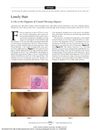
October 2011 in “Archives of Dermatology”
63 citations
,
October 2011 in “Archives of Dermatology” Isolated long hairs at the original hairline can help diagnose Frontal Fibrosing Alopecia.
November 2025 in “The Journal of Dermatology” Minoxidil helps hair regrow faster in stress-related hair loss.
 October 2022 in “Research, Society and Development”
 Vitamins and minerals don't significantly affect hair loss treatment in patients with telogen effluvium.
 53 citations
,
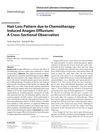
January 2007 in “Dermatology”
53 citations
,
January 2007 in “Dermatology” Chemotherapy often causes patterned hair loss, with some scalp areas more resistant to hair loss than others.
 August 2012 in “Reactions Weekly”
 Albendazole likely caused temporary hair loss in a 25-year-old woman.
March 2025 in “Revista Foco” Early diagnosis of Alopecia Frontal Fibrosante is crucial for effective treatment.
 December 2022 in “Cosmetics”
 The food supplement improved hair growth and strength in people with a certain type of hair loss and had no major side effects.
 42 citations
,
July 2012 in “PLOS ONE”
42 citations
,
July 2012 in “PLOS ONE” Estrogen can temporarily slow down hair growth but this can be reversed.
 August 2019 in “Journal of The American Academy of Dermatology”
 RV3466F lotion significantly reduces hair loss and improves acute telogen effluvium.
June 2026 in “British Journal of Dermatology” Photodynamic therapy for actinic keratosis can cause permanent hair loss.
January 2025 in “Indian Journal of Dermatology” High fever from COVID-19 might trigger hair loss.
 9 citations
,
January 1987 in “Journal of The American Academy of Dermatology”
9 citations
,
January 1987 in “Journal of The American Academy of Dermatology” A man lost a lot of scalp hair quickly after stopping minoxidil, but it grew back with mild male pattern baldness.
24 citations
,
July 2009 in “Mycoses” A scalp infection was treated successfully, leading to full hair regrowth.
 January 2022 in “Consultant”
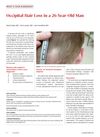
 The man's occipital hair loss was due to temporal triangular alopecia, not alopecia areata.
 179 citations
,
December 2004 in “Journal of The American Academy of Dermatology”
179 citations
,
December 2004 in “Journal of The American Academy of Dermatology” Some postmenopausal women with frontal fibrosing alopecia stopped losing hair with finasteride treatment, hinting at a possible hormonal cause.
 14 citations
,
January 2006 in “Australasian journal of dermatology”
14 citations
,
January 2006 in “Australasian journal of dermatology” Alopecia areata can look like frontal fibrosing alopecia, making diagnosis hard.
1 citations
,
January 2014 Some drugs can cause temporary or permanent hair loss.
 1 citations
,
March 2020 in “Australasian Journal of Dermatology”
1 citations
,
March 2020 in “Australasian Journal of Dermatology” The paper concludes that recognizing bitemporal alopecia areata is important for early treatment and preventing its progression.
 January 2018 in “Journal of Clinical Dermatology”
 Women with Telogen Effluvium have lower levels of Zinc and Iron in their hair.
 March 2018 in “Benha Journal of Applied Sciences”
 Women with telogen effluvium have lower levels of VEGF, which may contribute to their hair loss.
May 2023 in “Zenodo (CERN European Organization for Nuclear Research)” COVID-19 may increase hair loss due to stress and inflammation.
 July 2021 in “Journal of dermatology research and therapy”
 COVID-19 may worsen hair loss, and Nourkrin® could be a safe treatment option, but more research is needed.
 December 2019 in “Journal of pediatrics & neonatology”
 A 13-year-old boy had a rare, stable type of hair loss with little chance of regrowth, but treatment is available for looks.
 October 2025 in “International Journal of Homoeopathic Sciences”
 Wiesbaden 30CH is more effective than supportive haircare for improving telogen effluvium.
 1 citations
,
January 2018 in “Turkiye Klinikleri Journal of Dermatology”
1 citations
,
January 2018 in “Turkiye Klinikleri Journal of Dermatology” Vitamin D levels are not correlated with chronic hair loss in Telogen Effluvium patients.