 January 2025 in “Indian Journal of Unani Medicine”
 Unani medicine effectively reduced hair loss in a 24-year-old woman without side effects.
1 citations
,
October 2023 in “European Journal of Dermatology” Combining hair transplantation with PRP is more effective for treating hair loss than hair transplantation alone.
 56 citations
,
March 2010 in “Journal of Dermatology”
56 citations
,
March 2010 in “Journal of Dermatology” Most cases of Temporal Triangular Alopecia are found in early childhood and may be related to genetic conditions.
 41 citations
,
July 2017 in “Journal of The American Academy of Dermatology”
41 citations
,
July 2017 in “Journal of The American Academy of Dermatology” Men with Frontal fibrosing alopecia typically lose hair on the front scalp and sometimes on sideburns and upper lip, with treatments showing varied success.
 5 citations
,
April 2016 in “The American Journal of Dermatopathology”
5 citations
,
April 2016 in “The American Journal of Dermatopathology” A tick bite caused temporary hair loss in a man, which is a rare condition that usually gets better within 3 months.
12 citations
,
July 2020 in “Actas Dermo-Sifiliográficas” Frontal fibrosing alopecia mostly affects postmenopausal women, often involves eyebrows, and is linked to conditions like lichen planus and rosacea.
April 2023 in “Media Dermato Venereologica Indonesiana” COVID-19 reinfection may trigger alopecia areata.
4 citations
,
November 2025 in “Nature Reviews Disease Primers”  1 citations
,
March 2012 in “Indian Journal of Rheumatology”
1 citations
,
March 2012 in “Indian Journal of Rheumatology” Most lupus patients in the study experienced hair loss, which greatly affected their mental and social well-being.
 1 citations
,
July 2022 in “Clinical dermatology review”
1 citations
,
July 2022 in “Clinical dermatology review” Hair transplantation is an effective hair loss treatment with two main techniques, requires careful planning, and can improve beard and eyebrows appearance.

Post-COVID-19 hair loss is not linked to vitamin D or quality of life but is linked to hair graying.

Some medications can cause hair loss, and it's important to track when the hair loss starts after taking a new medication.
 1 citations
,
April 2016 in “Journal of The American Academy of Dermatology”
1 citations
,
April 2016 in “Journal of The American Academy of Dermatology” The study concludes that Loose Anagen Hair Syndrome is a benign condition that usually improves with age but can be hard to diagnose and stressful for the family.
 1 citations
,
February 2023 in “Journal of the American Board of Family Medicine”
1 citations
,
February 2023 in “Journal of the American Board of Family Medicine” Primary care should recognize and treat hair loss in hijab-wearing individuals with cultural sensitivity.
 56 citations
,
January 2019 in “Skin appendage disorders”
56 citations
,
January 2019 in “Skin appendage disorders” The most common hair loss type at specialist clinics is androgenetic alopecia, especially in younger men, followed by alopecia areata and telogen effluvium, with differences seen across regions.
 December 2020 in “TURKDERM”
 A 3-year-old boy was diagnosed with a rare, non-scarring hair loss condition called temporal triangular alopecia.
 June 2023 in “Annals of the College of Medecine”
 Low iron levels are linked to more hair loss in women with chronic hair shedding.
 1 citations
,
January 1987 in “Journal of The American Academy of Dermatology”
1 citations
,
January 1987 in “Journal of The American Academy of Dermatology” The patient's hair loss was likely not caused by beta blockers but possibly by stress or other factors.
January 2006 in “DOAJ (DOAJ: Directory of Open Access Journals)” Loose anagen hair syndrome causes easily pulled, thin hair in kids but is harmless and temporary.
 6 citations
,
June 2016 in “Experimental Dermatology”
6 citations
,
June 2016 in “Experimental Dermatology” Frontal Fibrosing Alopecia is a poorly understood condition that is hard to treat and causes distressing hair loss.
 8 citations
,
December 2017 in “Journal of The American Academy of Dermatology”
8 citations
,
December 2017 in “Journal of The American Academy of Dermatology” The authors updated the criteria for diagnosing frontal fibrosing alopecia, making it easier to diagnose without a biopsy.
 74 citations
,
April 2005 in “Dermatologic Clinics”
74 citations
,
April 2005 in “Dermatologic Clinics” Minoxidil and finasteride are effective for male hair loss, minoxidil for female hair loss, and various treatments like corticosteroids work for alopecia areata; treatment should be tailored to the individual.
April 2026 in “JURNAL ILMU KEDOKTERAN DAN KESEHATAN” Nutritional status does not significantly affect hair loss in students.
September 2023 in “Journal of the American Academy of Dermatology” Current guidelines may overlook beard and sideburn involvement in diagnosing frontal fibrosing alopecia in men.
 November 2025 in “Scientific Reports”
 COVID-19 may cause hair loss by affecting hair follicles.
1 citations
,
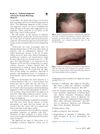
August 2018 in “Journal of the American Academy of Dermatology” A young woman developed facial bumps before hair loss, which is unusual for her condition.
January 2024 in “Elsevier eBooks”  May 2024 in “Pakistan Journal of Health Sciences”
 Iron deficiency is linked to hair loss in CTE patients.
January 2012 in “Open MIND” Oral minoxidil can cause painful skin bumps and scarring in some people.
December 2019 in “Global pharmaceutical sciences review” New treatments for alopecia are being explored due to the limitations of current options.