Since 1995, we only use Follicular Unit Transplantation for hair restoration and stopped using minigrafting/micrografting techniques.
 January 2021 in “Dermatology Research and Practice”
 The study aims to understand the skin and hair characteristics of mothers and their babies, and how these may affect newborns' skin health and mothers' postpartum hair loss.
4 citations
,
September 2000 in “Hair transplant forum international” Hair restoration surgery can be effective but has risks like infection and scarring.
 June 2026 in “Journal of Cutaneous and Aesthetic Surgery”
 Recipient site scalp necrosis in hair transplantation is linked to microvascular injury and regional vascular vulnerability, especially in the frontal and mid-scalp areas.
February 2026 in “European Urology” 24 citations
,
August 2020 in “JAMA dermatology” Persistent radiation-induced hair loss is dose-dependent, and treatments like topical minoxidil can be effective.
5 citations
,
July 2011 in “PubMed” Injected bimatoprost 0.03% solution did not effectively treat female-pattern hair loss.
 2 citations
,
August 2011 in “Dermatologic Surgery”
2 citations
,
August 2011 in “Dermatologic Surgery” Small micropunches for hair transplants can increase density but may cause more bleeding and longer healing.
 8 citations
,
April 2020 in “Facial Plastic Surgery Clinics of North America”
8 citations
,
April 2020 in “Facial Plastic Surgery Clinics of North America” Follicular Unit Transplantation is a reliable hair restoration method with a high success rate and minimal scarring.
 July 2023 in “Clinical, Cosmetic and Investigational Dermatology”
 The sharp implanter method for hair graft placement is simpler and faster, allowing for dense packing of grafts with natural results.
 June 1995 in “International Journal of Gynecology & Obstetrics”
 Higher doses of oestradiol implants improve bone density in postmenopausal women.
 5 citations
,
June 2019 in “JAAD Case Reports”
5 citations
,
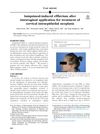
June 2019 in “JAAD Case Reports” Imiquimod used intravaginally for cervical issues can cause temporary hair loss, especially if severe side effects occur.
The right balance of Myo-Inositol to D-Chiro-Inositol in follicular fluid is crucial for good egg and embryo quality.
2 citations
,
June 1979 in “JAMA” Synthetic hair implants are dangerous and can cause severe infections.
10 citations
,
September 2015 in “Folia Histochemica Et Cytobiologica” Finasteride treatment in male rats can reduce fertility and affect sperm development in their offspring.
September 2007 in “Hair transplant forum international” March 2007 in “Hair transplant forum international” January 2006 in “Hair transplant forum international” November 2005 in “Hair transplant forum international” 2 citations
,
January 2023 in “Biomedicines” The treatment combining laser and fetal fibroblasts effectively reduces scarring.
 September 2006 in “Plastic and Reconstructive Surgery”
 Hair transplant surgeries can be improved by preserving follicles in a special solution, and surgeries done at outpatient facilities are more profitable than those at hospitals.
 May 2026 in “International Journal of Drug Delivery Technology”
 Using a 45-degree angle for hair transplants improves efficiency and results.
 November 2006 in “Dermatologic Surgery”
 Cutting hair follicles into pieces for transplantation results in poor growth and thinner hair, and the technique is more invasive than previously thought.
 January 2026 in “Ankara Medical Journal”
 Pregnancy-related stress may cause hair loss in women in their third trimester.
Prioritize hairline and front scalp before crown in hair transplants.
1 citations
,
April 2008 in “Progrès en Urologie” Systematic end-of-trial biopsies are the most reliable way to assess outcomes.
 10 citations
,
April 2008 in “Journal of Pediatric Surgery”
10 citations
,
April 2008 in “Journal of Pediatric Surgery” P-selectin is not the only factor that prevents scarring in fetal wound healing in mice.
 72 citations
,
September 1997 in “Dermatologic Surgery”
72 citations
,
September 1997 in “Dermatologic Surgery” Careful planning and patient counseling can lead to excellent hair transplant results, often in one or two sessions.
November 2024 in “Actas Dermo-Sifiliográficas” January 2025 in “Zagazig University Medical Journal” Nanofat injections may improve hair graft survival in scarred areas.