2 citations
,
July 2021 in “The journal of investigative dermatology/Journal of investigative dermatology” Sex hormones likely don't affect atopic dermatitis in adolescents and adults.
 September 2023 in “Gynäkologische Endokrinologie”
 Menopause causes skin and hair to become drier and thinner, but hormone therapy can improve these conditions.
 November 2018 in “Endocrine Abstracts”
 A woman's high testosterone levels were caused by a rare ovarian tumor, not the initially diagnosed condition.
 February 2025 in “PLoS ONE”
 Androgenetic alopecia starts earlier in males than females, with different treatments, and is linked to income, education, alcohol use, and mental health.
88 citations
,
September 2003 in “Clinical endocrinology” Hormone treatment for transsexual individuals is effective but carries risks like thromboembolic events and mood changes, with most side effects being minor and reversible.
83 citations
,
December 2012 in “International journal of endocrinology and metabolism/International journal of endocrinology and metabolism.” Oral contraceptives provide various health benefits beyond birth control, including managing menstrual issues, skin conditions, pain, and reducing the risk of certain cancers.
21 citations
,
December 2019 in “PloS one” The rat model showed early perimenopause with regular cycles and low hormones, and late perimenopause with irregular cycles and higher hormone levels.
17 citations
,
January 2004 in “European journal of obstetrics, gynecology, and reproductive biology/European journal of obstetrics & gynecology and reproductive biology” Certain hormone medications can treat symptoms like acne and unwanted hair, regulate periods, and prevent pregnancy in women and teenage girls.
July 1998 in “Annals of saudi medicine/Annals of Saudi medicine” A misdiagnosed case of HAIR-AN syndrome led to unnecessary surgeries and highlighted the importance of correct diagnosis and treatment.
36 citations
,
October 2009 in “Journal of biological chemistry/The Journal of biological chemistry” Two new compounds were found to build bone and muscle without affecting reproductive organs and skin oil glands.
 155 citations
,
September 2008 in “British journal of dermatology/British journal of dermatology, Supplement”
155 citations
,
September 2008 in “British journal of dermatology/British journal of dermatology, Supplement” FFA is more common in postmenopausal women, can affect younger women, and may stabilize over time.
 16 citations
,
May 2020 in “Frontiers in pharmacology”
16 citations
,
May 2020 in “Frontiers in pharmacology” Minoxidil can stop the growth of ovarian cancer cells without harming the heart.
 7 citations
,
April 2012 in “Clinical investigation”
7 citations
,
April 2012 in “Clinical investigation” Transdermal testosterone can improve sexual desire in postmenopausal women but lacks long-term safety data and is not FDA-approved for this use.
 January 2024 in “Wiadomości Lekarskie”
 Using a protocol with LH improves pregnancy rates in patients with low ovarian reserve.
 11 citations
,
September 2012 in “Journal of obstetrics and gynaecology Canada”
11 citations
,
September 2012 in “Journal of obstetrics and gynaecology Canada” Testosterone therapy seems safe for short-term use in postmenopausal women with low sexual desire, but more research on long-term effects is needed.
 February 2011 in “Journal of the American Academy of Dermatology”
 A 60-year-old man with a long-term balding condition also developed a rare hair loss condition usually seen in postmenopausal women.
 August 2015 in “Dermatología Argentina”
 Frontal fibrosing alopecia causes hairline recession and eyebrow loss in postmenopausal women.
 May 1993 in “Drugs & Therapy Perspectives”
 Formestane is a preferred second-line treatment for advanced breast cancer in postmenopausal women because it's effective and has fewer side effects.
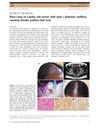 August 2019 in “Journal of Dermatology”
 Woman with diabetes had hair loss due to rare ovarian tumor; surgery improved hair growth.
 April 2023 in “Research Square (Research Square)”
 A young woman had a rare, aggressive ovarian tumor that was hard to diagnose and treat, leading to disease progression despite treatment.
 13 citations
,
August 1980 in “Cancer”
13 citations
,
August 1980 in “Cancer” Multimodal primary treatment improves survival in premenopausal breast cancer patients and is also beneficial for postmenopausal women.
 1 citations
,
June 2025 in “Environmental Research”
1 citations
,
June 2025 in “Environmental Research” Most women had adequate essential elements except zinc, and lead levels were higher in peri-/post-menopausal women.
 13 citations
,
December 2012 in “Frontiers in bioscience”
13 citations
,
December 2012 in “Frontiers in bioscience” Vitamin D and estrogen may help protect heart and kidney health, and maintaining sufficient vitamin D levels could be especially beneficial for African Americans, postmenopausal women, and people with chronic kidney disease.
 165 citations
,
December 2002 in “Molecular and Cellular Endocrinology”
165 citations
,
December 2002 in “Molecular and Cellular Endocrinology” Male hormones, particularly DHT, are linked to male pattern hair loss, and treatments like finasteride can help, but they don't work for postmenopausal women's hair loss, which may have different causes.
 3 citations
,
May 2011 in “Journal of Obstetrics and Gynaecology”
3 citations
,
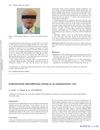
May 2011 in “Journal of Obstetrics and Gynaecology” A woman's pelvic pain and bleeding led to finding and successfully treating a rare benign tumor in her reproductive system.
 8 citations
,
February 2009 in “Current Women's Health Reviews”
8 citations
,
February 2009 in “Current Women's Health Reviews” Testosterone treatment can improve sexual function and bone density in women but may have adverse effects and requires more research on safety and guidelines.
1231 citations
,
May 2001 in “Hypertension” Men generally have higher blood pressure than premenopausal women, but postmenopausal women's blood pressure can surpass men's, and hormone therapy doesn't significantly help.
 September 2015 in “University of Southern Denmark Research Portal (University of Southern Denmark)”
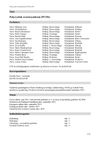
 The guideline offers recommendations for diagnosing and managing PCOS and its complications.
 21 citations
,
December 2012 in “Maturitas”
21 citations
,
December 2012 in “Maturitas” Testosterone implants in women require pharmacological dosing to be effective and are generally safe and well-tolerated.
 3 citations
,
October 2003 in “Annals of Oncology”
3 citations
,
October 2003 in “Annals of Oncology” A woman with low thyroid function did not lose her hair during chemotherapy, possibly because her hair follicles were less affected by the treatment.