January 2011 in “Zhongguo shiyong fuke yu chanke zazhi” Hormone replacement therapy improves skin health and reduces aging signs in postmenopausal women.
 July 2020 in “International Journal of Dermatology Venereology and Leprosy Sciences”
 Most postmenopausal women experience skin and hair issues, so regular check-ups are important.
 76 citations
,
May 2007 in “Menopause International”
76 citations
,
May 2007 in “Menopause International” After menopause, women lose a lot of skin collagen, but estrogen replacement might improve skin health.

Most postmenopausal women experience significant skin changes and various skin conditions.
2 citations
,
September 2025 in “Cosmetics” Hormonal therapies can improve skin issues by adjusting hormone levels, with future advancements promising better results.

Menopause-related skin changes may increase fungal infections and inflammation.
 November 2025 in “Frontiers in Nutrition”
 Olive leaf extract may help reduce aging signs in postmenopausal women.
4 citations
,
August 2025 in “Journal of Cosmetic Dermatology” Hormone replacement therapy can improve menopausal skin quality, but it's not recommended just for skin due to limited evidence.
5 citations
,
September 2023 in “Nutrients” Soy protein with isoflavones reduces wrinkles and improves skin hydration in postmenopausal women.
 7 citations
,
April 2014 in “Cell biology international”
7 citations
,
April 2014 in “Cell biology international” Melatonin treatment helps improve skin health in postmenopausal rats.
January 2024 in “Cosmetics” Menopause worsens skin, hair, and nails, affecting self-esteem and quality of life.
July 2024 in “Journal of Investigative Dermatology” Skin hormone levels change significantly after menopause.
 December 2025 in “Pakistan Journal of Health Sciences”
 Estrogen deficiency in postmenopausal women can cause skin and hair issues, but local estrogen therapies help improve vaginal health.
 138 citations
,
May 2000 in “Maturitas”
138 citations
,
May 2000 in “Maturitas” Estrogen replacement can improve skin health in menopausal women but doesn't reverse sun damage or prevent hair loss.
332 citations
,
June 1994 in “Archives of Dermatology” Postmenopausal frontal fibrosing alopecia may be a unique condition linked to postmenopausal changes.
325 citations
,
June 1994 in “Archives of Dermatology” Postmenopausal frontal fibrosing alopecia may be a unique condition linked to postmenopausal changes.
7 citations
,
March 2005 in “International Journal of Cosmetic Science” Menopause reduces hair quality, but hormone therapy can help improve it.
 August 2022 in “Journal of drugs in dermatology”
 Hormone therapy might help improve women's appearance as they age.
 September 2023 in “Gynäkologische Endokrinologie”
 Menopause causes skin and hair to become drier and thinner, but hormone therapy can improve these conditions.
 3 citations
,
January 2007 in “Elsevier eBooks”
3 citations
,
January 2007 in “Elsevier eBooks” The document concludes that individualized treatment and lifestyle changes are important for managing menopause symptoms and health risks.
November 2024 in “International Journal of Women’s Dermatology” Frontal fibrosing alopecia in Bogotá mainly affects postmenopausal women, with possible links to hormonal changes and sunscreen use.
 April 2024 in “International journal of women's health”
 Adult female acne is a complex condition that can worsen with menopause, requiring holistic treatment and tailored skincare at different life stages.
 September 2014 in “Springer eBooks”
 Men and women experience skin aging differently due to changes in sex hormone levels with age.
 90 citations
,
December 2007 in “Current Oncology”
90 citations
,
December 2007 in “Current Oncology” Non-hormonal treatments should be used first for sexual dysfunction in postmenopausal breast cancer patients on aromatase inhibitors, with hormones as a second option.
May 2026 in “Meditsinskiy sovet = Medical Council” Menopausal hormone therapy can improve skin and hair health in menopausal women.
July 2013 in “Indian Journal of Dentistry” A 46-year-old man showed symptoms of a rare condition usually seen in postmenopausal women, highlighting the need for dentist-dermatologist collaboration.
 19 citations
,
January 2011 in “Obstetrics and gynecology international”
19 citations
,
January 2011 in “Obstetrics and gynecology international” Red clover extract improved hair, skin, mood, sleep, and tiredness in postmenopausal women.
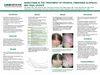 November 2025 in “SKIN The Journal of Cutaneous Medicine”
 Baricitinib shows promise in improving frontal fibrosing alopecia symptoms.
 120 citations
,
October 2007 in “Clinical Interventions in Aging”
120 citations
,
October 2007 in “Clinical Interventions in Aging” Estrogens help reduce skin aging, and SERMs might offer similar benefits without the risks of hormone therapy.
 January 2024 in “Skin appendage disorders”
 Oral finasteride seems more effective for hair loss in postmenopausal women, but more research is needed.