 November 2022 in “The journal of investigative dermatology/Journal of investigative dermatology”
 The research identified specific genes that are active in the cells crucial for hair growth.
 60 citations
,
August 2008 in “Human molecular genetics online/Human molecular genetics”
60 citations
,
August 2008 in “Human molecular genetics online/Human molecular genetics” A position effect on the TRPS1 gene causes excessive hair growth in humans and mice.
February 2026 in “Pediatric Dermatology”  1 citations
,
April 2017 in “Journal of Investigative Dermatology”
1 citations
,
April 2017 in “Journal of Investigative Dermatology” CCL5 is important for the hair growth potential of human dermal papilla cells.
1 citations
,
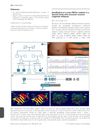
January 2012 The CRABP I gene in cashmere goats is highly conserved but has unique features at specific amino sites.
 23 citations
,
December 2013 in “British Journal of Dermatology”
23 citations
,
December 2013 in “British Journal of Dermatology” A new gene mutation linked to a skin condition was found in a Spanish family.
30 citations
,
January 2013 in “Human Mutation” A mutation in the HOXC13 gene causes hair and nail problems in a Syrian family.
100 citations
,
December 2002 in “Journal of biological chemistry/The Journal of biological chemistry” Researchers mapped and categorized specific keratin-associated protein genes on human chromosome 21q22.1.
79 citations
,
June 1993 in “Molecular and Cellular Biology” The K5 promoter controls gene expression in skin cells, with specific DNA segments crucial for targeting and regulation.
 January 2025 in “Cellular and Molecular Biology”
 The PIP5K1A gene helps cashmere growth in goats by promoting cell proliferation, and melatonin boosts its expression.
4 citations
,
January 2023 in “bioRxiv (Cold Spring Harbor Laboratory)” PrrH sRNA controls pyochelin gene expression in Pseudomonas aeruginosa based on heme levels.
May 2025 in “Dermatology Reports” A genetic mutation in the LIPH gene causes a rare hair disorder with sparse, curly hair.
64 citations
,
March 2004 in “Journal of Clinical Investigation” Targeting ornithine decarboxylase can help prevent skin cancer.
65 citations
,
March 2004 in “Journal of Clinical Investigation” Inhibiting ornithine decarboxylase may help prevent certain skin cancers.
 3 citations
,
February 2019 in “Animal biotechnology”
3 citations
,
February 2019 in “Animal biotechnology” The PLP2 gene affects cashmere fiber quality in goats and is linked to hair growth and loss.
 July 2024 in “Journal of Integrative Plant Biology”
 Soybean root hair growth under low phosphate relies on specific transporters and transcription factors.
 July 2023 in “New phytologist”
 The BUZZ gene is important for root hair growth and overall root structure in the plant Brachypodium distachyon.
 218 citations
,
October 2013 in “Proceedings of the National Academy of Sciences of the United States of America”
218 citations
,
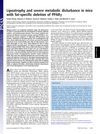
October 2013 in “Proceedings of the National Academy of Sciences of the United States of America” Mice lacking the PPARγ gene in their fat cells had almost no fat tissue, severe metabolic problems, and abnormal development of other fat-related tissues.
 1 citations
,
March 2023 in “Frontiers in Cardiovascular Medicine”
1 citations
,
March 2023 in “Frontiers in Cardiovascular Medicine” A specific gene variant is linked to heart disease, increased heart muscle, curly hair, and thick skin on palms and soles.
 3 citations
,
January 2019 in “Jikken doubutsu ihou/Jikken doubutsu/Experimental animals/Jikken Dobutsu”
3 citations
,
January 2019 in “Jikken doubutsu ihou/Jikken doubutsu/Experimental animals/Jikken Dobutsu” Pigs without the Hairless gene showed skin and thymus changes, useful for studying human hair disorders.
1 citations
,
January 2025 in “Proceedings of the National Academy of Sciences” LPAR6 has a unique way of binding and activating, which helps in designing treatments for hair loss and cancer.
November 2019 in “British Journal of Dermatology” FOL-005 peptide may help treat excessive hair growth safely.
 20 citations
,
May 2013 in “International Journal of Molecular Medicine”
20 citations
,
May 2013 in “International Journal of Molecular Medicine” Researchers found a new gene variant linked to a rare bone disease, which doesn't always cause symptoms in carriers.
 4 citations
,
April 2015 in “Experimental Dermatology”
4 citations
,
April 2015 in “Experimental Dermatology” Certain genes controlled by OVOL1 are crucial for creating new hair follicles.
11 citations
,
November 2019 in “The FASEB Journal” A mutation in the MAP2 gene causes reduced hair follicle density, leading to hairlessness.
March 1998 in “Journal of Dermatological Science” Keratin-associated proteins may have roles in various mouse tissues, not just hair.
1 citations
,
February 1991 in “Journal of Biological Chemistry”  March 2016 in “West Indian medical journal”
 There is no significant link between alopecia areata and the PON1 enzyme polymorphisms studied.
 July 2022 in “The journal of investigative dermatology/Journal of investigative dermatology”
 MPZL3 is important for controlling the hair growth cycle in mice and humans.
4 citations
,
March 2000 in “Journal of Investigative Dermatology” The gene for Marie Unna hereditary hypotrichosis is located on chromosome 8p21, near the hairless gene.