 8 citations
,
June 2019 in “Scientific Reports”
8 citations
,
June 2019 in “Scientific Reports” Increased PPARGC1α relates to hair thinning in common baldness.
 1 citations
,
January 2023 in “Biochemical and biophysical research communications”
1 citations
,
January 2023 in “Biochemical and biophysical research communications” Keratin 79 is linked to liver damage and may help diagnose liver diseases.
 2 citations
,
April 2012 in “Science-business Exchange”
2 citations
,
April 2012 in “Science-business Exchange” Blocking a protein called prostaglandin D2 might help treat hair loss.
June 2026 in “Frontiers in Nutrition” GLP-1 receptor agonists can help manage PCOS metabolism but need careful use before conception.
Researchers created a new mouse model, G4, that mimics human PCOS symptoms and links the condition to a specific gene.
January 2021 in “Deep Blue (University of Michigan)” Androgen receptors in the brain affect metabolism and reproduction differently in males and females, and may help manage PCOS symptoms in females.
 14 citations
,
March 2017 in “Brain research”
14 citations
,
March 2017 in “Brain research” Progesterone and its byproducts control a specific receptor in the brain independently of progesterone receptors, affecting conditions related to the menstrual cycle.
July 2025 in “Frontiers in Pharmacology” G-1 promotes hair growth in female mice by activating specific signaling pathways.
 September 2025 in “American Journal of Dermatopathology”
 PRAME is often present in Paget disease and could help in diagnosis, but more research is needed.
10 citations
,
November 2009 in “Pigment cell & melanoma research” The document concludes that MGRN1 affects mouse fur color by interfering with a receptor's signaling, but its full role in the body is still unknown.
March 2024 in “Preprints.org” Activated protein C helps protect mice from radiation damage.
211 citations
,
February 1994 in “Proceedings of the National Academy of Sciences” Too much parathyroid hormone-related protein in skin disrupts hair growth in mice.
February 2026 in “Advanced Science” Targeting the p300/AR axis may help treat polycystic ovary syndrome.
2 citations
,
November 2004 in “Blood” RXRa is crucial for Th2 immune cell development and may link nutrition to immune health.
4 citations
,
January 1994 in “Current Opinion in Endocrinology & Diabetes” PTHrP regulates various normal body functions, including bone development, skin, and muscle function.
50 citations
,
December 2005 in “European Journal of Immunology” RXRα is crucial for proper immune response and links diet to immune function.
23 citations
,
December 2013 in “Molecular cancer therapeutics” Breast cancer treatments work better with AR activation, improving results and reducing side effects.
 24 citations
,
April 2013 in “PLOS ONE”
24 citations
,
April 2013 in “PLOS ONE” TNFα, IFNγ, and Substance P significantly affect prolactin levels in human skin, suggesting new treatments for skin and hair conditions.
 May 2017 in “bioRxiv (Cold Spring Harbor Laboratory)”
 The peach gene pCTG134 helps control the interaction between auxin and ethylene hormones during fruit ripening.
6 citations
,
December 2023 in “Journal of Molecular Cell Biology” Removing Gsdma1/2/3 genes reduces skin cell overgrowth by blocking a specific cell pathway.
1 citations
,
September 2010 in “UEF eRepo (University of Eastern Finland)” Androgen receptors help prostate cancer cells grow and resist drugs.
 148 citations
,
April 2009 in “Molecular Pharmaceutics”
148 citations
,
April 2009 in “Molecular Pharmaceutics” Researchers developed promising agents for prostate cancer imaging, with the best one showing high potential for clinical use.
 December 2023 in “Journal of the Endocrine Society”
 Blocking glucocorticoid receptors improves glucose metabolism in a PCOS mouse model.
 18 citations
,
February 2018 in “International Journal of Molecular Sciences”
18 citations
,
February 2018 in “International Journal of Molecular Sciences” PGD2 increases androgen receptor activity in hair cells, which could be targeted to treat hair loss.
76 citations
,
January 1998 in “Mammalian Genome” 18 citations
,
December 2016 in “European journal of pharmacology” A new compound slows cancer cell growth and causes cell death by blocking cell cycle progression and increasing cell-damaging molecules.
 26 citations
,
December 2006 in “Endocrinology”
26 citations
,
December 2006 in “Endocrinology” A cream with a specific hormone blocker increases hair growth in mice.
26 citations
,
January 1992 in “Carcinogenesis” TPA strongly increases ODC activity in certain skin cells, potentially aiding tumor growth.
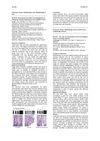 April 2018 in “Radiotherapy and Oncology”
 Prostaglandin helps regenerate hair follicles after radiation damage.
 91 citations
,
May 2003 in “American Journal of Pathology”
91 citations
,
May 2003 in “American Journal of Pathology” Prolactin affects hair growth cycles and can cause early hair follicle regression.