3 citations
,
May 2019 in “Journal of Cosmetic Dermatology” Pro-Ile could be used in cosmetics to improve skin, hair growth, and healing.
 October 2021 in “JAAD Case Reports”
 Topical glycopyrrolate lotion helped reduce excessive sweating from eating in a diabetic man.
August 2003 in “Journal of Investigative Dermatology” Phosphatidic acid may promote hair growth like minoxidil.
February 2024 in “Cancers” New treatments targeting androgen receptors show promise for drug-resistant prostate cancer.
36 citations
,
July 2022 in “Journal of Medicinal Chemistry” Therapies targeting the androgen receptor are being developed to treat prostate cancer and improve bone and muscle health.
9 citations
,
March 2018 in “International journal of molecular sciences” Allopregnanolone changes gene expression in glioblastoma cells.
September 2002 in “Oncology Times” Promising cancer treatments were found, but the manufacturer closed.
2 citations
,
September 2023 in “PubMed” Laser-assisted prostaglandin analogs improve hypopigmented scars safely, but more research is needed.
8 citations
,
October 2016 in “Journal of Investigative Dermatology” MR antagonists may improve skin health and wound healing, especially in aging.
January 2010 in “Acta Universitatis Medicinalis Nanjing” Progesterone helps adult male mice's brain cells survive and improves learning and memory.
 57 citations
,
May 2014 in “Molecular Phylogenetics and Evolution”
57 citations
,
May 2014 in “Molecular Phylogenetics and Evolution” The research found how GPCR Class A Rhodopsin receptors are related and suggested possible substances they interact with.
26 citations
,
September 2024 in “Perspectives in Clinical Research” Drug repurposing offers faster, cheaper drug development but faces challenges like safety, ethics, and funding.
 May 2026 in “Pharmaceuticals”
 Incretin-based drugs for obesity often cause gastrointestinal issues, with tirzepatide having the most reports.
 January 2025 in “Journal of the European Academy of Dermatology and Venereology”
 Newer GLP-1 drugs like semaglutide may cause hair loss.
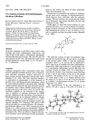 December 1998 in “Acta Crystallographica Section C-crystal Structure Communications”
 A new compound with strong antiandrogenic effects was found, potentially useful for treating conditions like acne and prostate cancer.
28 citations
,
November 2004 in “Endocrinology” SARMs may offer benefits by boosting muscle effects without unwanted side effects.
 March 2022 in “Research Square (Research Square)”
 4-aminopyridine, a FDA-approved drug, speeds up skin wound healing and tissue regeneration.
52 citations
,
July 1998 in “Urology” Liarozole may be more effective than cyproterone acetate for treating advanced prostate cancer, with better PSA response and survival rates, while maintaining quality of life.
Blocking 5α-reductase can reduce sleep deprivation-related behavioral issues in rats.
November 2022 in “Skin Appendage Disorders” PT-20 did not significantly improve gray hair repigmentation.
 1 citations
,
April 2020 in “Journal of The European Academy of Dermatology and Venereology”
1 citations
,
April 2020 in “Journal of The European Academy of Dermatology and Venereology” Drugs like PDEI may help hair disorders like AGA.
36 citations
,
July 2017 in “Journal of controlled release” A new method allows for controlled, long-lasting delivery of retinoic acid through the skin with fewer side effects.
 13 citations
,
January 2020 in “Scientific Reports”
13 citations
,
January 2020 in “Scientific Reports” The African spiny mouse heals skin without scarring due to different protein activity compared to the common house mouse, which heals with scarring.
 August 2013 in “Nature Reviews Drug Discovery”
 New treatments for cancer and skin disorders show promise in disrupting harmful cell interactions and promoting hair growth.
 April 2023 in “Journal of The American Academy of Dermatology”
 Some drugs linked to growth hormones may increase the chance of hair loss in women.
 1 citations
,
March 2012 in “Journal of Dermatological Science”
1 citations
,
March 2012 in “Journal of Dermatological Science” Testosterone, progesterone, and levonorgestrel change enzyme levels related to fat production in hamster skin, which could affect skin oil and acne.
October 2012 in “Institutional Repositories DataBase (IRDB)” Stem cell treatment can effectively regrow hair.
65 citations
,
February 2011 in “Molecular cancer therapeutics” CCT128930 is a promising new drug that effectively targets and inhibits a cancer-related protein, showing potential for cancer treatment.
Targeting the PGI2 pathway may help heal diabetic foot ulcers.
14 citations
,
August 2014 in “The FASEB Journal” CAP1/Prss8 does not activate PAR2 or inhibit PN-1.