 November 2022 in “Journal of Investigative Dermatology”
 Human-induced stem cell-created skin models can help understand skin diseases by studying the skin's layers.
24 citations
,
July 2014 in “Journal of Investigative Dermatology” Nagashima-type palmoplantar keratosis in Asians is caused by a SERPINB7 gene mutation.
 136 citations
,
June 2006 in “Journal of Dermatological Science”
136 citations
,
June 2006 in “Journal of Dermatological Science” PDGF isoforms can promote and sustain hair growth.
 13 citations
,
January 2021 in “Scientific Reports”
13 citations
,
January 2021 in “Scientific Reports” Pannexin 3 helps skin and hair growth by controlling a protein called Epiprofin.

The atlas maps maize peptides, showing complex regulation and varied roles across tissues and stages.
November 2024 in “Biophysical Chemistry” Hair structure changes immediately during perm treatment, with initial damage partially restored later.
 1 citations
,
July 2023 in “Cureus”
1 citations
,
July 2023 in “Cureus” A rare hair disorder with multiple hairs from one follicle was found on a patient's abdomen.
 3 citations
,
April 2022 in “Frontiers in Physiology”
3 citations
,
April 2022 in “Frontiers in Physiology” Ptch2 plays a key role in controlling stem cell function and the ability to regenerate after birth.
July 2025 in “Journal of Investigative Dermatology” Secreted inhibitors of Wnt and IGF signaling control hair and tooth development, creating species-specific patterns.
 3 citations
,
April 2012 in “Bioinformation”
3 citations
,
April 2012 in “Bioinformation” Two specific SNPs in the TRPS1 gene cause excessive hair growth by altering the protein's structure.
 26 citations
,
January 2019 in “Experimental Dermatology”
26 citations
,
January 2019 in “Experimental Dermatology” Researchers created early-stage hair-like structures from skin cells, showing how these cells can self-organize, but more is needed for complete hair growth.
 January 2026 in “Frontiers in Medicine”
 PP-PTKL may help treat hair greying, but more testing is needed.
32 citations
,
July 2003 in “Histochemistry and Cell Biology”  13 citations
,
September 2019 in “EBioMedicine”
13 citations
,
September 2019 in “EBioMedicine” sPLA2-IIA increases growth in hair follicle stem cells and cancer cells, suggesting it could be targeted for hair growth and cancer treatment.
July 2025 in “Case Reports in Dermatology” Early detection and treatment are crucial to prevent irreversible hair loss in Lichen Planopilaris.
57 citations
,
January 2020 in “International Journal of Molecular Sciences” PADs are crucial for healthy skin and hair, and their imbalance can cause skin and hair disorders.
 February 1999 in “Analytical Sciences”
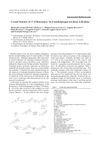
 A new antiandrogen compound was made and its detailed three-dimensional shape was described.
 July 2022 in “The journal of investigative dermatology/Journal of investigative dermatology”
 Scientists improved how to make skin-like structures from stem cells using special gels and a device that controls growth signals, leading to better hair and skin features.
28 citations
,
December 2015 in “Journal of biological chemistry/The Journal of biological chemistry” Prostasin has two roles in skin: one for normal skin development without needing activation, and another for proper hair growth that requires activation.
39 citations
,
December 2012 in “The American Journal of Human Genetics” Mutations in the SNRPE gene cause hereditary hair loss.
 13 citations
,
May 2016 in “International journal of biological macromolecules”
13 citations
,
May 2016 in “International journal of biological macromolecules” Keratin's mechanical properties are influenced by hydrogen bonds and secondary structure, and can be improved with the SPD-2 peptide.
37 citations
,
June 1996 in “Journal of cellular physiology” Retinoic acid, glucocorticoids, and IGF1 increase IGFBP-3 production in human dermal papilla cells, affecting hair growth.
17 citations
,
June 1997 in “Baillière's clinical obstetrics and gynaecology” Scientists now better understand how human hair growth is controlled, including the roles of specific genes and proteins.
10 citations
,
December 2008 in “Molecular Carcinogenesis” The PML protein helps prevent skin cancer in mice.
 February 2019 in “bioRxiv (Cold Spring Harbor Laboratory)”
 The gene Prss53 affects hair shape and bone development in rabbits.
17 citations
,
June 2003 in “The journal of investigative dermatology. Symposium proceedings/The Journal of investigative dermatology symposium proceedings” Mutations in hKAP1 genes may cause hereditary hair disorders.
 1 citations
,
February 2025 in “Scientific Reports”
1 citations
,
February 2025 in “Scientific Reports” The method effectively analyzes skin tissue changes, especially in the arrector pili muscle and nerve fibers with hair follicles.
March 2010 in “European Journal of Cancer Supplements”  7 citations
,
September 2019 in “Journal of Cellular Physiology”
7 citations
,
September 2019 in “Journal of Cellular Physiology” Akt2 protein is essential for normal cell division in early mouse embryos.
157 citations
,
October 2002 in “Journal of Cutaneous Pathology” p63 may influence skin cancer development and cell differentiation.