March 2024 in “Current issues in molecular biology” Personalized medicine in dermatology uses molecular biomarkers to improve diagnosis and treatment but needs further advancements for practical use.
2 citations
,
December 2024 in “Journal of Cosmetic Dermatology” SNP profiling allows personalized skincare treatments for better results and fewer side effects.
 2 citations
,
February 2009 in “Journal of the American Academy of Dermatology”
2 citations
,
February 2009 in “Journal of the American Academy of Dermatology” Many research paper titles in dermatology journals lack scientific precision.
March 2026 in “Journal of the European Academy of Dermatology and Venereology” Exosomes show promise in dermatology but need more research and FDA approval for clinical use.
3 citations
,
December 2023 in “Skin Health and Disease” Empathy and better training for doctors are needed to improve alopecia care.

Alopecia patients in the UK want more empathy and better care from healthcare providers, including more GP training on alopecia and improved care pathways.
October 2025 in “Cosmetics” Genetic insights can lead to personalized treatments for acne, androgenetic alopecia, and alopecia areata.
 July 2026 in “Diagnostics”
 Integrating various skin imaging technologies improves diagnosis and treatment in dermatology.

Customized dermatological treatments effectively address gaps in standard products, especially for complex cases.
2 citations
,
October 2024 in “PubMed” Dermatologic procedures show promise for treating seborrheic dermatitis, but more research is needed for cost, effectiveness, and safety.
4 citations
,
May 2025 in “International Journal of Nanotechnology and Nanomedicine” Nanocarriers show promise for improving skin drug delivery in treating skin conditions.
 1 citations
,
March 2024 in “Skin research and technology”
1 citations
,
March 2024 in “Skin research and technology” A new AI model diagnoses hair and scalp disorders with 92% accuracy, better than previous models.
 1 citations
,
June 2025 in “Preprints.org”
1 citations
,
June 2025 in “Preprints.org” Climate change harms skin health and reduces the effectiveness of aesthetic treatments.
 December 2025 in “Frontiers in Nutrition”
 Collagen supplements may improve skin, joints, and recovery, especially with added nutrients.
April 2025 in “Preprints.org” AI can personalize exercise to improve skin health.
June 2024 in “British Journal of Dermatology” There are unequal access to wigs for alopecia patients in the UK, needing policy changes for fairness.
2 citations
,
September 2024 in “Journal of Cosmetic Dermatology” Robotic technology greatly improves cosmetic dermatology outcomes and patient satisfaction.
 12 citations
,
November 2018 in “JAMA Dermatology”
12 citations
,
November 2018 in “JAMA Dermatology” Collecting sexual orientation and gender identity data in dermatology can lead to better, more sensitive care for sexual and gender minority patients.
3 citations
,
June 2025 in “Gyemyeong uidae haksulji” PDRN is effective and safe for healing wounds and skin issues.
2 citations
,
November 2025 in “Pharmaceutics” Cell-mediated drug delivery systems improve skin disease treatment by using living cells for precise, prolonged, and less toxic therapy.
January 2025 in “Dermatology Review” Advancements in dermatology are improving diagnosis, treatment options, and patient care.
6 citations
,
April 1990 in “The Journal of Dermatologic Surgery and Oncology” Dermatologic surgery has greatly improved with new techniques over the years.
 December 2025 in “Italian Journal of Anatomy and Embryology”
 Understanding embryologic layers improves skin disorder diagnosis and supports developing targeted therapies.

Gene editing holds promise for skin treatments but needs careful safety and ethical consideration.
May 2024 in “Frontiers in Medicine” Targeted immunological therapies offer safer and more effective treatments for skin conditions like eczema and psoriasis.
Nutrition plays a key role in managing skin disorders, with specific dietary changes helping improve conditions like acne, dermatitis, psoriasis, alopecia, and skin cancer.
 September 2025 in “Cosmoderma”
 Pandemic stress worsens hair loss and skin issues, suggesting combined mental and skin care treatments.
 July 2024 in “Gene & Protein in Disease”
 Exosome therapy shows promise for treating skin conditions and improving wound healing.
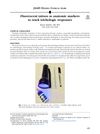 July 2018 in “Journal of The American Academy of Dermatology”
 Fluorescent tattoos are a good way to mark the scalp for hair treatments because they're accurate, invisible in normal light, and have low risk.
The model accurately predicts hair breakage in Telogen Effluvium, aiding early detection and treatment.