January 2004 in “Linchuang pifuke zazhi” Black hairs have more pigment-related genes, while gray hairs have more keratin-related genes.
 August 2022 in “International Journal of Health Sciences (IJHS) (En línea)”
 Oxidative stress is important in causing alopecia areata.
29 citations
,
June 1998 in “Developmental Biology” More melanoblasts in hair follicles mean better survival and proper hair pigmentation.
23 citations
,
April 2003 in “Journal of Structural Biology” Keratin structure changes during keratinization, but the exact model remains uncertain.

Surgical repigmentation can permanently restore color to white hair in vitiligo patients.
1 citations
,
March 2025 in “Journal of Cosmetic Dermatology” Exosomes and laser therapy can help regrow and repigment hair.
 January 2025 in “Cellular and Molecular Life Sciences”
 BMP4 helps stem cells turn into pigment-producing cells, affecting hair color and growth.
 2 citations
,
February 2004 in “Biopolymers”
2 citations
,
February 2004 in “Biopolymers” 4-(4-Phenoxybenzoyl)benzoic acid derivatives can both increase and decrease certain types of reactive oxygen species, and may be relevant to hair loss.
September 2017 in “Journal of Investigative Dermatology” Photodynamic therapy can potentially remove nonpigmented hair by damaging hair follicles.
12 citations
,
September 2022 in “Frontiers in Genetics” Enhancing CD8+ T cell function to induce ferroptosis in tumor cells may help treat skin melanoma.
 73 citations
,
January 2013 in “European journal of dermatology/EJD. European journal of dermatology”
73 citations
,
January 2013 in “European journal of dermatology/EJD. European journal of dermatology” Antioxidants may help fight oxidative stress linked to autoimmune skin diseases.
 12 citations
,
November 2020 in “Molecules”
12 citations
,
November 2020 in “Molecules” Carvone helps treat skin issues by reducing melanin and stopping harmful cell growth.
 December 2023 in “Journal of ethnopharmacology”
 Tribuloside can increase skin pigmentation by enhancing melanin production and distribution.
 November 2023 in “Journal of cosmetic dermatology”
 The 595-nm pulsed dye laser effectively reduces symptoms of EFFC with minimal side effects.
119 citations
,
May 1987 in “The Journal of Dermatologic Surgery and Oncology” Most patients' skin darkening after sclerotherapy fades on its own within 6-24 months.
 3 citations
,
January 2019 in “Journal of Dermatology”
3 citations
,
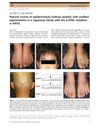
January 2019 in “Journal of Dermatology” The p.P25L mutation in the KRT5 gene causes a rare skin condition that worsens over time and may lead to hair loss starting in young adulthood.
 April 2023 in “The journal of investigative dermatology/Journal of investigative dermatology”
 Researchers found three types of melanocytes in developing mouse skin, each with different genes and locations.
34 citations
,
February 2012 in “International Journal of Dermatology” Dermatoscopy can help identify hydroquinone-induced skin issues, avoiding invasive biopsies.
20 citations
,
January 2010 in “Biological Trace Element Research” May 2019 in “CINECA IRIS Institutial Research Information System (University of Genoa)” MITF+ melanoma patients are more likely to have multiple melanomas and unique skin patterns.
17 citations
,
May 2018 in “Journal of Biomedical Optics” Certain types of human hair might help ultraviolet rays reach and damage cells, possibly leading to melanoma.
 June 2022 in “Research Square (Research Square)”
 Lipid peroxidation may worsen social behavior issues in autism.
 114 citations
,
April 2004 in “International Journal of Dermatology”
114 citations
,
April 2004 in “International Journal of Dermatology” Postinflammatory hyperpigmentation causes dark skin patches and needs personalized treatment.
March 2011 in “Pigment Cell & Melanoma Research” The Agouti gene influences pigmentation and may have a developmental role in deer mice.
 November 2022 in “The journal of investigative dermatology/Journal of investigative dermatology”
 Hemoglobin α acts as an antioxidant in skin cells, especially protecting hair follicle stem cells from UV damage.
11 citations
,
June 2021 in “Preprints.org” Melatonin may help with atopic dermatitis by reducing inflammation and improving sleep.
 4 citations
,
November 2022 in “Journal of biomedical materials research. Part B, Applied biomaterials”
4 citations
,
November 2022 in “Journal of biomedical materials research. Part B, Applied biomaterials” Human hair proteins, especially keratins, can protect cells from oxidative stress in lab settings.
 March 2025 in “JDDG Journal der Deutschen Dermatologischen Gesellschaft”
 Facial hyperpigmentation improved with oral isotretinoin and ivermectin cream after Demodex mites were identified as the cause.
16 citations
,
February 2008 in “PubMed” Vitamin B12 deficiency can cause skin darkening and white hair, but it's reversible.