 16 citations
,
July 2002 in “JOGC/Journal of obstetrics and gynaecology Canada”
16 citations
,
July 2002 in “JOGC/Journal of obstetrics and gynaecology Canada” Birth control pills can help reduce mild to moderate acne in women.
 46 citations
,
August 2016 in “Journal of The American Academy of Dermatology”
46 citations
,
August 2016 in “Journal of The American Academy of Dermatology” The study found that family history, personal history of adolescent acne, no pregnancies, hirsutism, office work, stress, and low intake of fruits/vegetables and fish are risk factors for adult female acne.
2 citations
,
January 2017 Personalized treatment is crucial for women with hyperandrogenism-related acne and hirsutism.
54 citations
,
June 2006 in “Baillière's best practice and research in clinical endocrinology and metabolism/Baillière's best practice & research. Clinical endocrinology & metabolism” Medicines that lower androgen levels and hair removal treatments help manage excessive hair and acne in women with PCOS.
 30 citations
,
January 1998 in “Dermatology”
30 citations
,
January 1998 in “Dermatology” Birth control pills and cyproterone acetate can help treat acne in women, especially when linked to hormonal issues.
 6 citations
,
April 2018 in “Obstetrics, gynaecology and reproductive medicine”
6 citations
,
April 2018 in “Obstetrics, gynaecology and reproductive medicine” Most women with hirsutism have it because of PCOS, and they need long-term treatment including medication and hair removal to improve their condition.
 3 citations
,
April 2017 in “Journal of Medical Science And clinical Research”
3 citations
,
April 2017 in “Journal of Medical Science And clinical Research” PCOS often causes acne, dark skin patches, excess hair, and hair loss, linked to hormone levels and obesity.
 July 1989 in “British Journal of Dermatology”
 Women's acne improvement with antibiotics is not linked to signs of high male hormones.
 5 citations
,
September 2021 in “Dermatology Reports”
5 citations
,
September 2021 in “Dermatology Reports” Skin problems like acne and excess hair in PCOS are common and linked to being overweight.
 April 2024 in “International journal of medical science and clinical research studies”
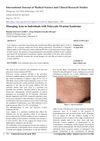
 Effective acne management in PCOS includes hormone therapy, metformin, isotretinoin, weight loss, diet, exercise, and personalized treatment plans.
 10 citations
,
December 1996 in “Fertility and Sterility”
10 citations
,
December 1996 in “Fertility and Sterility” Women with acne have lower levels of a specific hormone marker than women without acne.
 1 citations
,
November 2011 in “Open access journal of contraception”
1 citations
,
November 2011 in “Open access journal of contraception” Birth control pills with low-dose estrogen and antiandrogenic progestins can effectively treat acne.
 28 citations
,
January 2017 in “Indian Dermatology Online Journal”
28 citations
,
January 2017 in “Indian Dermatology Online Journal” Skin problems like acne, excessive hair growth, and oily skin are common in women with PCOS and can help with early diagnosis.
November 2022 in “Journal of the Endocrine Society” Correcting vitamin D and progesterone deficiencies can significantly improve hair loss, acne, and BPH symptoms.
January 2011 in “The Journal of Secondary Vocational Education” Isotretinoin treatment in teens with acne can cause hormonal changes, leading to menstrual irregularity and increased hirsutism.
 6 citations
,
July 2003 in “Journal of Womens Health”
6 citations
,
July 2003 in “Journal of Womens Health” Experts say proper treatment and sensitivity are important for women's facial skin issues like acne and unwanted hair.
3 citations
,
March 2025 in “Endocrine Connections” Higher DHT levels are linked to more acne in adolescents, especially boys.
 June 2022 in “Journal of Education, Health and Sport”
 The paper reviews acne treatments for women with PCOS but doesn't give specific advice.
20 citations
,
January 1998 in “Dermatology” Newborn acne may be linked to family history of high male hormone levels.
 5 citations
,
May 2017 in “Current Opinion in Pediatrics”
5 citations
,
May 2017 in “Current Opinion in Pediatrics” Hormonal therapies are safe and effective for treating acne in female adolescents, with specific treatments for those with endocrine disorders.
42 citations
,
December 1976 in “PubMed” Cyproterone acetate and ethinylestradiol effectively reduce hirsutism and acne in women.
 1 citations
,
October 2023 in “Journal of Education Health and Sport”
1 citations
,
October 2023 in “Journal of Education Health and Sport” Acne affects mental health and requires comprehensive treatment.
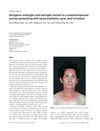 August 2009 in “International Journal of Dermatology”
 A postmenopausal woman's facial redness, acne, and excess hair were caused by too much hormone therapy for insomnia, but improved after stopping the treatment.
 2 citations
,
July 2008 in “Paediatrics & child health”
2 citations
,
July 2008 in “Paediatrics & child health” Severe acne in a young girl may indicate underlying hormonal issues.
1 citations
,
December 1978 in “British journal of dermatology/British journal of dermatology, Supplement” Hormonal imbalances in congenital adrenal hyperplasia cause acne.
 6 citations
,
May 2015 in “Clinics in Dermatology”
6 citations
,
May 2015 in “Clinics in Dermatology” Acne and other skin conditions can indicate internal diseases like Polycystic Ovary Syndrome (PCOS), and early treatment can prevent long-term issues.
 1 citations
,
November 2013 in “Pediatrics in Review”
1 citations
,
November 2013 in “Pediatrics in Review” Effective acne treatment and patient education are crucial to prevent long-term physical and psychological effects.
 78 citations
,
February 2011 in “Canadian Medical Association Journal”
78 citations
,
February 2011 in “Canadian Medical Association Journal” Acne treatment varies, with topical and systemic therapies effective, and more research needed on treatment order and long-term effects.
 September 2011 in “American Journal of Clinical Dermatology”
 The birth control pill containing ethinylestradiol and chlormadinone may help treat acne and other skin and hair conditions related to hormones.
 January 2016 in “Springer eBooks”
 Hyperandrogenism, often causing excessive hair growth and acne, can be treated with methods like weight reduction, hair removal, various medications, and in the case of acne, topical treatments.