 2 citations
,
September 2009 in “Hormone Molecular Biology and Clinical Investigation”
2 citations
,
September 2009 in “Hormone Molecular Biology and Clinical Investigation” Low dose finasteride decreases certain steroids, possibly increasing depression risk.
 17 citations
,
May 1998 in “Steroids”
17 citations
,
May 1998 in “Steroids” Researchers developed a model to predict how well certain compounds can block an enzyme related to hair loss and prostate issues, suggesting a 50 mg dose of finasteride might be effective based on lab and body data.
 January 2024 in “Wiadomości Lekarskie”
 Shifting attention can reduce physical pain.
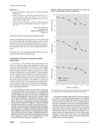 42 citations
,
December 2007 in “American Journal of Psychiatry”
42 citations
,
December 2007 in “American Journal of Psychiatry” Finasteride may effectively reduce Tourette's syndrome symptoms and improve life quality.
16 citations
,
October 2017 in “Journal of steroid biochemistry and molecular biology/The Journal of steroid biochemistry and molecular biology” Dutasteride may protect the brain in early Parkinson's disease.
 January 2025 in “The World Journal of Men s Health”
 Finasteride temporarily suppresses brain activity, but some effects last even after stopping.

Lower DHT and higher testosterone levels increase brain activation but don't change behavior in heavy drinkers.
 July 2023 in “Zenodo (CERN European Organization for Nuclear Research)”
 Trazodone and chlorpromazine may help treat sexual dysfunction caused by finasteride and SSRIs.
26 citations
,
August 2004 in “Alcoholism Clinical and Experimental Research” Ethanol-induced motor incoordination in rats is not affected by increased neuroactive steroids.
August 2025 in “Scientific Reports” Itchy keloids on the chest are linked to more nerve fibers and substance P.
January 2011 in “Yearbook of Endocrinology” 12 citations
,
November 2024 in “Plants” Phytosterols may help manage prostate issues but are less effective than synthetic drugs.
8 citations
,
January 2017 in “Korean Journal of Physiology and Pharmacology” Pimecrolimus boosts melanin production and movement of skin pigment cells.
January 2022 in “Figshare” Autophagy helps mouse glands stay healthy, prevents early aging, and maintains their oil and scent production.
 32 citations
,
February 2024 in “Growth Hormone & IGF Research”
32 citations
,
February 2024 in “Growth Hormone & IGF Research” Dihydrotestosterone (DHT) stops hair growth in mice by lowering a growth factor important for hair.
January 2013 in “Stirling Online Research Repository (University of Stirling)” The Theory of Planned Behaviour predicts consumer behavior better when emotions, personality, demographics, and marketing are included.
56 citations
,
July 2004 in “Mechanisms of Development” Pax9 is crucial for proper tongue surface development and preventing skin-like changes.
5 citations
,
October 2021 in “Journal of the American Academy of Dermatology” PRAME helps distinguish between benign and malignant skin cells in most cases.
Defective nuclear transport may cause gene expression changes in Progeria.
 March 2024 in “Journal of Microbiology and Biotechnology”
 Phloroglucinol may help improve hair loss by promoting hair growth and reducing oxidative stress.
 5 citations
,
May 2018 in “Drug Safety”
5 citations
,
May 2018 in “Drug Safety” Using electronic health records can help identify drug side effects but has some limitations.
63 citations
,
December 2010 in “Journal of Endocrinology” Reduced neurosteroids and growth issues can harm fetal brain development, especially in males.

Certain drugs, especially those for eyes, bacterial infections, imaging tests, and skin conditions, are more likely to cause itching, with differences seen across gender, age, and weight.
TRPV4 channels in the skin may enhance the effects of acupuncture.
19 citations
,
February 2016 in “Journal of Biological Chemistry” KCNQ potassium channels help control the sensitivity of touch receptors in the skin.
 April 2018 in “Journal of Investigative Dermatology”
 STIM1 is essential for sweat secretion.
 4 citations
,
July 2024 in “European Archives of Oto-Rhino-Laryngology”
4 citations
,
July 2024 in “European Archives of Oto-Rhino-Laryngology” Platelet-rich plasma (PRP) significantly improves long-lasting post-viral smell dysfunction.
 17 citations
,
February 2015 in “Cell Death and Disease”
17 citations
,
February 2015 in “Cell Death and Disease” Inhibiting AP1 in mice skin causes structural changes and weakens the skin barrier.
January 2004 in “Headache” Divalproex sodium significantly improved headaches in two-thirds of patients.