 September 2010 in “Hair transplant forum international”
 Pre-operative ECG testing is important for hair transplant patients.

Valproic acid and rapamycin protect hair follicle stem cells from damage by activating a protective pathway.
November 2024 in “Biophysical Chemistry” Hair structure changes immediately during perm treatment, with initial damage partially restored later.

New methods efficiently isolate dermal papilla cells from hair follicles, preserving their characteristics better than traditional methods.
August 2025 in “Applied Sciences” Peroxide-rich plasma-activated water is gentler on hair than nitrate-rich formulations.
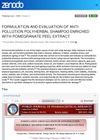 July 2026 in “Zenodo (CERN European Organization for Nuclear Research)”
 The shampoo is a safe and effective herbal option for protecting hair from pollution damage.
 February 2022 in “Journal of Cosmetic Dermatology”
 Argan oil protects hair from oxidative damage and reduces protein loss.
10 citations
,
February 2018 in “Royal Society Open Science” Modified wheat protein in shampoo repairs and smooths damaged hair effectively.
 2 citations
,
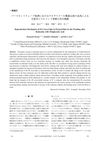
January 2015 in “Sen'i Gakkaishi”
2 citations
,
January 2015 in “Sen'i Gakkaishi” Washing permed hair after using thioglycolic acid helps reform strong bonds, making hair stronger.
34 citations
,
June 2005 in “Journal of cosmetic dermatology” Medium-depth peels are safer and effective for improving skin appearance compared to deep peels.
 March 2011 in “Focus on surfactants”
 Several companies launched new hair care ingredients in 2011 to improve conditioning, color retention, combability, and heat protection.
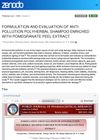 July 2026 in “Zenodo (CERN European Organization for Nuclear Research)”
 The shampoo is a safe and effective herbal option for protecting hair from pollution damage.
 1 citations
,
December 2022 in “The journal of investigative dermatology/Journal of investigative dermatology”
1 citations
,
December 2022 in “The journal of investigative dermatology/Journal of investigative dermatology” Choosing the right method to separate skin layers is key for good skin cell research.
10 citations
,
August 2021 in “Cosmetics” The best shampoo formula used 1% high-weight hyaluronic acid, 10% acidic sophorolipid, and 1% salt for effective hair conditioning and cleansing without sulfates or silicones.
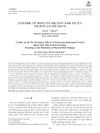 October 2025 in “Journal of the Korean Society of Cosmetology”
 Dandelion extract mist protects hair from heat damage and improves styling.
 10 citations
,
February 2023 in “Colloids and surfaces. A, Physicochemical and engineering aspects”
10 citations
,
February 2023 in “Colloids and surfaces. A, Physicochemical and engineering aspects” Adding 1 mg/ml of graphene oxide to egg white protein wound dressings improves antibacterial properties and supports skin repair.

Purwaceng extract in shampoo is stable, safe, and beneficial for hair health.
29 citations
,
August 2011 in “PubMed” Polymeric pretreatments can significantly reduce hair breakage and damage from hot flat irons.
28 citations
,
June 2003 in “Applied immunohistochemistry & molecular morphology” Combining cell conditioning with mild protease digestion effectively shows versican mRNA in mouse skin sections.
19 citations
,
April 2021 in “Journal of Cosmetic Dermatology” The treatment with silk proteins and linseed polysaccharides effectively protects and repairs chemically damaged hair.
 December 2023 in “ACS Sustainable Chemistry & Engineering”
 Keratin can be successfully taken from human hair using a mix of choline chloride and ethanolamine.
January 2015 in “Georg Thieme Verlag eBooks” Chemical peeling and dermabrasion improve skin texture and appearance when done correctly.
April 2026 in “Zenodo (CERN European Organization for Nuclear Research)” Cationic conditioning systems improve hair combability and sensory feel.
April 2026 in “Zenodo (CERN European Organization for Nuclear Research)” Cationic conditioning systems improve hair combability and sensory feel.
 August 2021 in “Han'gug miyong haghoeji/Journal of the Korean society of cosmetology”
 Using natural polyphenol cross-linkers like tannic acid and green tea extract in perm treatments improves curling and protects hair.
Applying conditioner in the middle of a perm process reduces hair damage.
12 citations
,
March 2023 in “Processes” Plant surfactants from quinoa and soybeans are effective, safe, and eco-friendly for shampoos.
3 citations
,
September 2018 in “Current Drug Delivery” The combination of propylene glycol and Tween® 80 improves finasteride gel effectiveness.
January 2019 in “Journal of the American Leather Chemists Association” Improved mink skin processing can weaken hair attachment.