 12 citations
,
June 2020 in “Frontiers in Cell and Developmental Biology”
12 citations
,
June 2020 in “Frontiers in Cell and Developmental Biology” The PP2A-B55α protein is essential for brain and skin development in embryos.
September 2017 in “Journal of Investigative Dermatology” LRIG1 protein affects hair growth by regulating skin receptors, leading to hair loss when overexpressed.
74 citations
,
September 2003 in “The Journal of Immunology” Activating PKCα in skin causes cell death and inflammation through different pathways.
79 citations
,
June 1993 in “Molecular and Cellular Biology” The K5 promoter controls gene expression in skin cells, with specific DNA segments crucial for targeting and regulation.
8 citations
,
September 2013 in “Molecular carcinogenesis” Rapamycin reduces skin cell growth and tumor development by affecting cell signaling in mice.
3 citations
,
November 2024 in “Egyptian Journal of Medical Human Genetics” SGK1 is important in cancer growth and treatment resistance, and targeting it could improve therapies.
The KRTAP36-2 gene in sheep affects wool yield.
 17 citations
,
May 2011 in “Gene Therapy”
17 citations
,
May 2011 in “Gene Therapy” Using polyethylenimine-DNA to deliver the hTERT gene can stimulate hair growth and may be useful in treating hair loss, but there could be potential cancer risks.
Genetic analysis of rabbits identified key genes for traits like coat color, body size, and fertility.
3 citations
,
June 2025 in “Gyemyeong uidae haksulji” PDRN is effective and safe for healing wounds and skin issues.
64 citations
,
March 2004 in “The journal of investigative dermatology/Journal of investigative dermatology” GPRC5D is linked to the formation of hair, nails, and certain tongue areas.
37 citations
,
October 2006 in “Archives of Biochemistry and Biophysics” A unique gene mutation causes vitamin D-resistant rickets without causing hair loss.
January 2017 in “Murdoch Research Repository (Murdoch University)” A new genetic variant in the EEF2K gene may contribute to polycystic ovary syndrome.
29 citations
,
October 2010 in “Journal of Investigative Dermatology” Activating Kras in mouse skin causes excess skin and hair loss.
 3 citations
,
March 2010 in “Dermatologica Sinica”
3 citations
,
March 2010 in “Dermatologica Sinica” A Taiwanese patient had hair loss and skin bumps without the usual gene mutation, suggesting other genetic factors might be involved.
65 citations
,
September 2014 in “BMC genomics” Different hair types in mammals are linked to variations in specific protein genes, with changes influenced by their living environments.
 March 2025 in “FEBS Journal”
 Epiprofin suppresses parathyroid hormone gene activity, helping regulate calcium levels and could be a treatment target for hyperparathyroidism.
3 citations
,
February 2018 in “Experimental and Molecular Medicine/Experimental and molecular medicine” A protein called PCBP2 controls the production of a hair growth protein by interacting with its genetic message and is linked to hair loss when this control is disrupted.
11 citations
,
November 1998 in “Journal of dermatological science” Knocking out certain genes in mice helps understand skin and hair growth problems.
 75 citations
,
October 2010 in “Mammalian genome”
75 citations
,
October 2010 in “Mammalian genome” Sphynx cats are hairless and Devon Rex cats have curly hair due to specific genetic mutations.
46 citations
,
November 1998 in “Experimental Cell Research” K15 gene is mainly active in the basal layers of hair follicles and epithelia, aiding early skin cell development.
 January 2023 in “Indian dermatology online journal”
 A boy with Pachyonychia congenita has a confirmed gene mutation, highlighting the need for a local genetic database in India.
 7 citations
,
December 2008 in “Journal of Dermatological Science”
7 citations
,
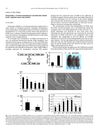
December 2008 in “Journal of Dermatological Science” Progranulin overexpression leads to shorter, thinner hair and increased cell death in mouse hair follicles.
 March 2009 in “International Journal of Dermatology”
 The androgen receptor gene doesn't help identify women likely to have female pattern hair loss.
24 citations
,
July 2014 in “Journal of Investigative Dermatology” Nagashima-type palmoplantar keratosis in Asians is caused by a SERPINB7 gene mutation.
June 2025 in “British Journal of Dermatology” Ruxolitinib helped a woman with a genetic mutation regrow her hair and improved her health.
53 citations
,
August 2005 in “The Journal of Cell Biology” Sgk3 is essential for normal hair follicle growth and maintenance.
2 citations
,
July 2021 in “Genes” A specific genetic change in the KRT71 gene causes a hair loss condition in Hereford cattle.
3 citations
,
January 2011 in “生物医学研究杂志:英文版” A new mutation in the KRT86 gene causes monilethrix in a Han family.
 127 citations
,
July 2002 in “EMBO journal”
127 citations
,
July 2002 in “EMBO journal” Normal skin cell renewal doesn't need RAR signaling, but vitamin A-related skin thickening does.