November 2024 in “Journal of Investigative Dermatology” Blocking the JAK/STAT pathway may help reduce skin sensitivity in Xeroderma pigmentosum.
 8 citations
,
October 2019 in “Immunological investigations”
8 citations
,
October 2019 in “Immunological investigations” The AIRE gene variant rs2075876 is linked to a higher risk of alopecia areata in males.
 11 citations
,
August 2010 in “Developmental neurobiology”
11 citations
,
August 2010 in “Developmental neurobiology” Ptprq has multiple forms that change during inner ear development.
1 citations
,
April 2012 in “Cancer Research” Antizyme reduces tumor growth and normalizes skin cell development affected by MEK.
 January 2026 in “MDPI (MDPI AG)”
 The hairy ear mutation in mice is linked to changes in gene expression affecting hair growth.
48 citations
,
November 2002 in “Journal of biological chemistry/The Journal of biological chemistry” Genetic variations in hair keratin proteins exist but don't significantly affect hair structure.
November 2025 in “Journal of Investigative Dermatology” A new genetic mutation causing Xeroderma Pigmentosum was found in an 8-year-old girl, affecting her DNA repair.
8 citations
,
January 2015 in “Genetics and Molecular Research” Certain gene variations increase the risk of alopecia areata in Koreans.
 98 citations
,
June 2008 in “Human mutation”
98 citations
,
June 2008 in “Human mutation” A genetic change in the EDAR gene causes the unique hair traits found in East Asians.
5 citations
,
April 2017 in “The journal of investigative dermatology/Journal of investigative dermatology” The gene therapy showed significant wound healing and was safe for treating severe RDEB.
 15 citations
,
January 2010 in “Reproduction, Fertility and Development”
15 citations
,
January 2010 in “Reproduction, Fertility and Development” A certain gene variant may increase the risk of polycystic ovary syndrome in Chinese women.
 January 2018 in “Genetic engineering & biotechnology news”
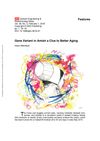
 A genetic mutation linked to longer life and less disease was found in the Amish, and a drug is being developed to replicate these benefits.
 3 citations
,
January 2023 in “American journal of physiology. Cell physiology”
3 citations
,
January 2023 in “American journal of physiology. Cell physiology” Inward rectifier potassium channels are important in many body functions and diseases, and could be potential drug targets.
 January 2025 in “Dermatology Practical & Conceptual”
 A new genetic model may improve treatment and diagnosis for certain inherited skin diseases.
34 citations
,
August 2018 in “Cancer research” Fixing DNA errors is crucial to prevent skin cancer.
228 citations
,
January 1997 in “Birkhäuser Basel eBooks” Keratin proteins and their genes are crucial for hair growth and structure.
 42 citations
,
January 2017 in “Genes”
42 citations
,
January 2017 in “Genes” The gene KAP22-1 affects wool yield and fiber shape in sheep.
 7 citations
,
March 2020 in “PloS one”
7 citations
,
March 2020 in “PloS one” α-parvin is necessary for skin and hair growth and for the correct orientation of skin cells.
 123 citations
,
November 2012 in “Stem cells”
123 citations
,
November 2012 in “Stem cells” MicroRNA-302 helps improve the conversion of body cells into stem cells by blocking NR2F2.
11 citations
,
July 2010 in “European Journal of Dermatology” The condition is linked to chromosome 12, but no mutations were found in the known genes.
 July 2023 in “British journal of dermatology/British journal of dermatology, Supplement”
 HPV8 E6 gene causes growth of certain skin stem cells.
 38 citations
,
February 2012 in “British Journal of Dermatology”
38 citations
,
February 2012 in “British Journal of Dermatology” AR/EDA2R gene linked to early-onset female hair loss, but 20p11 gene not involved.
5 citations
,
February 2007 in “Cytology and genetics” Gene expression regulates keratin production for normal hair growth.
21 citations
,
January 1995 in “Molecular Biology Reports” Scientists discovered two versions of a new human hair keratin gene.
23 citations
,
February 2015 in “The American journal of pathology” Keratosis pilaris is often linked to genetic mutations and causes skin and hair abnormalities, regardless of those mutations.
15 citations
,
March 2021 in “EMBO Reports” PRSS35 enzyme may help start skin tumors and could be a target for cancer treatment.
28 citations
,
February 2010 in “Experimental Dermatology” The frizzy mouse and hairless rat mutations are due to changes in the Prss8 gene.
15 citations
,
March 2015 in “PloS one” Scientists restored fertility in male mice lacking a key fertility gene by using a modified gene.
May 2025 in “Experimental Dermatology” A new genetic tool improves the study of hair growth and potential hair disorder treatments.
March 2022 in “Clinical Cosmetic and Investigational Dermatology” CDKN2AIP gene is less active in nevus sebaceous, affecting related RNA networks.