1 citations
,
August 2022 in “Journal of Drugs in Dermatology” More frequent PRP sessions with shorter intervals improve hair loss treatment.
 April 2025 in “Journal of Skin and Stem Cell”
 PDRN from trout sperm helps skin and hair regeneration but is costly and complex to produce.
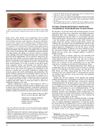 16 citations
,
August 2011 in “Annals of Allergy Asthma & Immunology”
16 citations
,
August 2011 in “Annals of Allergy Asthma & Immunology” A woman with severe angioedema improved significantly after treatment with rituximab.
6 citations
,
January 2024 in “International Journal of Dermatology” Monoclonal antibodies are often linked to alopecia areata cases.
 1 citations
,
July 2025 in “SKIN The Journal of Cutaneous Medicine”
1 citations
,
July 2025 in “SKIN The Journal of Cutaneous Medicine” Ritlecitinib is effective and safe for long-term treatment of alopecia areata.
February 2020 in “Oncology Times” Antibody drug conjugates show promise in targeting cancer cells while reducing harm to healthy cells.
February 2024 in “Cancers” New treatments targeting androgen receptors show promise for drug-resistant prostate cancer.
19 citations
,
January 2019 in “JAAD case reports” A medication for skin rash also unexpectedly treated hair loss in a patient.
 July 2017 in “Nursing2023”
 Actemra is approved for a specific artery condition, HIV treatment adherence has improved, women may pay more for a hair loss product, and incorrect dosing of blood thinners can be risky.
 6 citations
,
August 2021 in “International Journal of Pharmaceutics”
6 citations
,
August 2021 in “International Journal of Pharmaceutics” A new device, IVL-PPF Microsphere®, was created to deliver a hair loss drug for up to 3 months with one injection, potentially replacing daily pills.
1 citations
,
January 2025 in “Veterinary Medicine International” PRP shows promise for eye disease in animals but needs more research before being standard care.
July 2025 in “Journal of Investigative Dermatology” AI-09 is safe, effective, and reduces wrinkles for up to 6 months.
 2 citations
,
April 2014 in “PubMed”
2 citations
,
April 2014 in “PubMed” Platelet Rich Plasma (PRP) shows promise for hair growth, ulcer healing, and skin rejuvenation, but more research is needed for consistent results and it's not suitable for people with certain blood conditions.
 June 2024 in “International Journal of Dermatology”
 Upadacitinib may effectively treat resistant lichen planopilaris.
147 citations
,
October 2021 in “Cancer Communications” RC48 shows promise for treating certain advanced cancers, but more research is needed.
 July 2025 in “JOJ Dermatology & Cosmetics”
 Both treatments improved hair quality and thickness equally, with mild side effects.
January 2022 in “Drugs of Today” 10 citations
,
May 2020 in “Dermatologic therapy” Tildrakizumab significantly improved recalcitrant lichen planopilaris and frontal fibrosing alopecia.
 205 citations
,
April 2013 in “British Journal of Dermatology”
205 citations
,
April 2013 in “British Journal of Dermatology” Platelet-rich plasma treatment significantly increased hair regrowth and decreased discomfort in alopecia patients, making it a potentially better and safer treatment option.
2 citations
,
June 2018 in “The Medical Journal of Cairo University/The Medical Journal of Cairo University” Platelet Rich Plasma reduces psoriasis symptoms but isn't enough alone for treatment.
12 citations
,
March 2023 in “The FASEB Journal” Platelet-rich plasma can improve erectile function in older individuals by reducing prostate enlargement.
 November 2021 in “International Journal for Research in Applied Science and Engineering Technology”
 Lyophilized platelet-rich plasma is beneficial and effective for various medical treatments, including tissue regeneration and hair regrowth.
 January 1992 in “Side effects of drugs annual”
 Some people have severe allergic reactions to anthelminthic drugs, but these are often due to the parasites, not the drugs.
20 citations
,
December 2021 in “Journal of the American Academy of Dermatology” Continuous treatment with ritlecitinib and brepocitinib is needed to maintain hair regrowth in alopecia areata.
26 citations
,
April 2023 in “Medicina” Platelet-rich plasma therapy improves oral lichen planus symptoms with few side effects.
3 citations
,
April 2023 in “Dermatologica Sinica” PRP treatment may help with alopecia areata, especially in newer cases.
 110 citations
,
August 2015 in “Neuropsychopharmacology”
110 citations
,
August 2015 in “Neuropsychopharmacology” High-dose dutasteride reduces PMDD symptoms by stabilizing neurosteroid levels.
4 citations
,
October 2016 in “The journal of investigative dermatology/Journal of investigative dermatology” Using an anti-ICAM-1 antibody with rapamycin improves hair transplant survival in monkeys.
March 2026 in “Bioengineering & Translational Medicine” PEGylated thymosin β4 shows promise for treating heart attacks effectively.
 December 2022 in “Acta Ophthalmologica”
 Dutasteride potentially improves cell survival and reduces retinal damage in retinitis pigmentosa.