 May 2026 in “Zenodo (CERN European Organization for Nuclear Research)”
 Natural hair dyes are safer but have limited shades and may fade with washing.
January 2017 in “대한본초학회지(본초분과학회지)” Sinseon-yukza-hwan shows strong antioxidant potential for hair and scalp cosmetics.
 1 citations
,
January 2017 in “Organic chemistry”
1 citations
,
January 2017 in “Organic chemistry” Tridax procumbens has medicinal properties like healing, pain relief, and infection control.
February 2023 in “International Journal of Biological Macromolecules”  2 citations
,
May 2023 in “Al Mustansiriyah Journal of Pharmaceutical Sciences”
2 citations
,
May 2023 in “Al Mustansiriyah Journal of Pharmaceutical Sciences” Pterostilbene significantly reduces prostate enlargement and has strong antioxidant effects.
March 2023 in “Clinical Toxicology” 2 citations
,
June 2025 in “MedComm – Biomaterials and Applications” Plant-based antioxidants can help heal diabetic wounds by reducing stress, infections, and inflammation.
 April 2026 in “Biomedical Materials”
 Gold nanoparticle-phytochemical combinations work better against melanoma in 3D models than separate components.
 22 citations
,
October 2019 in “International Journal of Nanomedicine”
22 citations
,
October 2019 in “International Journal of Nanomedicine” The nanoparticles improved hair growth and enlarged hair bulbs.
16 citations
,
June 1992 in “Journal of Investigative Dermatology”  January 2022 in “Elsevier eBooks”
 Nanospanlastics are effective in targeted drug delivery for chronic diseases, improving skin conditions, treating hair loss, and increasing drug absorption.
 4 citations
,
October 2020 in “Toxicology Mechanisms and Methods”
4 citations
,
October 2020 in “Toxicology Mechanisms and Methods” Hesperidin protects rat testicles from finasteride damage and improves sperm health.
 August 2023 in “Innovare journal of Ayurvedic sciences”
 Mango and hibiscus leaf extracts could help manage diabetes by inhibiting enzymes related to the disease.
1 citations
,
May 2024 in “Applied Sciences” Cordyceps militaris is a promising, cost-effective medicinal fungus with health benefits and efficient production methods.
 13 citations
,
January 2013 in “Applied and Environmental Microbiology”
13 citations
,
January 2013 in “Applied and Environmental Microbiology” A gene in Sebekia benihana, CYP-sb21, is needed for a specific reaction on the drug Cyclosporine A, which could be important for hair growth without affecting the immune system.
 December 2025 in “International journal of research and scientific innovation”
 Women with PCOS in Nigeria have higher heart risk markers, needing early heart health checks.
February 2026 in “ACS Applied Materials & Interfaces” Carbon dots from Cinnamomum burmannii leaves can promote hair growth and regeneration.
 1 citations
,
February 2025 in “South Asian Research Journal of Pharmaceutical Sciences”
1 citations
,
February 2025 in “South Asian Research Journal of Pharmaceutical Sciences” Eclipta alba flavonoids may help treat diabetes by effectively inhibiting Aldose reductase.
 November 2022 in “Journal of Investigative Dermatology”
 Dynlt3 is important for melanosome transport and skin coloration.
1 citations
,
May 2025 in “BMC Cancer” CDK4/6 inhibitors affect safety and quality of life differently, requiring careful use.
16 citations
,
October 2009 in “Xenobiotica” The tested hair dye ingredients do not form harmful oxidized metabolites in the liver.
5 citations
,
May 2020 in “Clinical Phytoscience” Cuscuta reflexa leaves extract may help lower blood sugar and improve diabetes symptoms.
 12 citations
,
November 2020 in “Molecules”
12 citations
,
November 2020 in “Molecules” Carvone helps treat skin issues by reducing melanin and stopping harmful cell growth.
 March 2026 in “Inflammopharmacology”
 Ursolic acid from Ochrosia elliptica leaves may help manage PCOS symptoms.
 January 2026 in “The Eurasian Journal of Life Sciences”
 Pectin nanofibers show promise for medical use due to their unique properties.
 January 2014 in “Progress of Digestive Endoscopy”
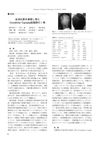
 Prednisolone improved symptoms in a woman with Cronkhite-Canada syndrome, but regular screenings are needed due to cancer risk.
March 2026 in “Drug Testing and Analysis” PTeCA is a reliable marker for detecting oxidative hair treatments.
1 citations
,
January 2006 in “Maia-rivista Di Letterature Classiche” Polygonum multiflorum is used for health benefits but may cause liver issues.
6 citations
,
January 1988 in “PubMed” Swimming in pools with high copper can turn hair green, especially if hair is damaged.
January 2007 in “Fashion & Textile Research Journal” Ethanol extracts of Aconitum koreanum improved cholesterol levels and protein recovery in rats.