 31 citations
,
March 2020 in “International Journal of Regenerative Medicine”
31 citations
,
March 2020 in “International Journal of Regenerative Medicine” PRP treatment can safely boost hormone levels in some IVF patients with low ovarian reserve.
1 citations
,
December 2023 in “Experimental Dermatology” Children with alopecia areata before age 4 may have better short-term hair regrowth.
 4 citations
,
November 2017 in “PubMed”
4 citations
,
November 2017 in “PubMed” Your genes, especially IL-1a, can predict how well a hair growth treatment with platelet rich plasma will work for you.
 February 2026 in “Journal of the American Academy of Dermatology”
 Ophiasis mainly affects females, lasts longer, and has lower regrowth rates, with a new classification system helping predict treatment response.
 291 citations
,
January 2014 in “The Scientific World Journal”
291 citations
,
January 2014 in “The Scientific World Journal” Lichen Planus is a less common condition affecting skin and mucous membranes, with various types and associated risk factors, challenging to diagnose, significantly impacts life quality, and may have a risk of cancerous changes in oral lesions.
1 citations
,
May 2025 in “The Journal of Dermatology” Increased regulatory T cell activity may lead to better outcomes in acute diffuse and total alopecia.
13 citations
,
January 2017 in “Annals of dermatology/Annals of Dermatology” Simvastatin/ezetimibe may help some patients with severe alopecia areata regrow hair.
 January 2026 in “Dermatology Practical & Conceptual”
 Nail changes are common in alopecia areata and can indicate its severity.
 51 citations
,
November 2020 in “Journal of the European Academy of Dermatology and Venereology”
51 citations
,
November 2020 in “Journal of the European Academy of Dermatology and Venereology” COVID-19 infection may cause significant hair loss, but full hair recovery is likely without special treatment.
June 2026 in “Iraqi Journal of Pharmaceutical Sciences ( P-ISSN 1683 - 3597 E-ISSN 2521 - 3512)” Androgen receptor expression in Iraqi women with breast cancer has limited prognostic value.
164 citations
,
November 1989 in “Clinical and Experimental Dermatology” Juvenile alopecia areata is more severe and has a worse prognosis than maturity-onset alopecia areata.
 April 2024 in “Journal of cancer research and clinical oncology”
 Tissue-derived extracellular vesicles are crucial for cancer diagnosis, prognosis, and treatment.
January 2022 in “Clinical dermatology review” A girl with a rare skin condition called Keratosis Follicularis Spinulosa Decalvans showed no significant improvement with treatment.
 March 2011 in “European Urology Supplements”
 The document concludes that a new biosensor can efficiently detect prostate cancer cells and that standardized referrals help find significant cancers effectively.
 34 citations
,
October 2017 in “Archivos Argentinos De Pediatria”
34 citations
,
October 2017 in “Archivos Argentinos De Pediatria” Alopecia Areata is a complex, unpredictable autoimmune hair loss condition with limited treatment options and a significant psychological impact.
 May 2023 in “Clinical and Experimental Dermatology”
 Alopecia areata has a high chance of persisting and relapsing, with a significant risk of total hair loss, especially if it starts in childhood.
 1 citations
,
December 2010 in “InnovAiT”
1 citations
,
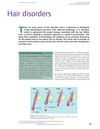
December 2010 in “InnovAiT” The document concludes that accurate diagnosis and appropriate management are crucial for treating various hair disorders, which have significant psychological impacts.
 November 2014 in “Prescriber”
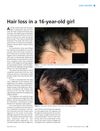
 The 16-year-old girl with hair loss was successfully treated for alopecia areata, leading to significant hair regrowth.
 January 2014 in “Pathology”
 The document concludes that understanding nail anatomy is key for diagnosing nail diseases, early signs of nail melanoma may allow for less aggressive treatment, and specific genetic mutations are important in thyroid cancer prognosis and treatment.
 6 citations
,
May 1993 in “Archives of Disease in Childhood”
6 citations
,
May 1993 in “Archives of Disease in Childhood” Children's hair loss can be caused by many factors, including autoimmune diseases, emotional stress, genetics, and infections, with treatment and prognosis varying.
 June 2025 in “International Journal of Dermatology”
 Exosomes could transform skin treatments but face technical and regulatory hurdles.
120 citations
,
April 2019 in “The Journal of clinical investigation/The journal of clinical investigation” Both estrogens and androgens are important for health in both males and females.
January 2025 in “Journal of Carcinogenesis” Inflammation is a key factor in heart disease and targeting it can reduce heart problems.
 April 2016 in “Journal of The American Academy of Dermatology”
 Different treatments are effective for hair loss conditions, but results vary by individual factors.
 38 citations
,
December 2012 in “Journal of Cutaneous Pathology”
38 citations
,
December 2012 in “Journal of Cutaneous Pathology” EVG staining is a valuable, simple, and cost-effective method for diagnosing various skin conditions in dermatopathology.
 January 2014 in “Springer eBooks”
 Inflammasome proteins can indicate the severity and treatment response of various diseases and injuries.
218 citations
,
September 2012 in “Gastroenterology” Colorectal cancer development involves both genetic changes and epigenetic alterations like DNA methylation and microRNA changes.
3 citations
,
November 2024 in “Egyptian Journal of Medical Human Genetics” SGK1 is important in cancer growth and treatment resistance, and targeting it could improve therapies.
5 citations
,
June 2011 in “InTech eBooks” High S100B protein levels indicate poor survival in advanced melanoma.
 6 citations
,
May 2008 in “Current Opinion in Oncology”
6 citations
,
May 2008 in “Current Opinion in Oncology” 2007 research improved understanding of prostate cancer risk, diagnosis, and treatment, but also showed the need for personalized treatment and further study on certain therapies' risks.