January 2021 in “Social Science Research Network” The optimized microemulsion with finasteride and cinnamon oil can effectively deliver the drug through the skin without using ethanol.

Finasteride-loaded microemulsions, made with cinnamon oil, Tween20, propylene glycol, and water, can help maintain stemness of dermal cells, potentially aiding in hair regeneration.
Niosomes improve aminexil's effectiveness in preventing hair loss without needing propylene glycol.
Azelaic acid and vitamin B6 together may improve hair growth.
2 citations
,
May 2022 in “Journal of Industrial and Engineering Chemistry” Minoxidil-loaded nanoparticles effectively promote hair regrowth and are safe for use.
 11 citations
,
January 2006 in “Drug development and industrial pharmacy”
11 citations
,
January 2006 in “Drug development and industrial pharmacy” Adding TPGS to minoxidil solutions can improve skin penetration and retention, especially in water and PEG 400-based solutions.
 18 citations
,
October 2005 in “International Journal of Pharmaceutics”
18 citations
,
October 2005 in “International Journal of Pharmaceutics” Adding a small amount of TPGS to minoxidil can help hair growth, but too much TPGS reduces this effect and increases minoxidil in the blood.
 12 citations
,
March 2020 in “Journal of Bioactive and Compatible Polymers”
12 citations
,
March 2020 in “Journal of Bioactive and Compatible Polymers” Nanoparticles show potential for controlled release of hair loss drugs, improving treatment effectiveness.
 58 citations
,
December 2012 in “Aaps Pharmscitech”
58 citations
,
December 2012 in “Aaps Pharmscitech” LCN may improve finasteride delivery for hair loss treatment.
 February 2023 in “Ankara Üniversitesi Veteriner Fakültesi dergisi”
 Two calves died from ethylene glycol poisoning, a condition more common in pets.
 130 citations
,
January 2017 in “International journal of nanomedicine”
130 citations
,
January 2017 in “International journal of nanomedicine” Silver nanoparticles coated with substances like PEG showed strong antibacterial effects and improved wound healing when used in hydrogels.
 25 citations
,
June 2011 in “International journal of pharmaceutics”
25 citations
,
June 2011 in “International journal of pharmaceutics” Nanoparticles effectively deliver water-insoluble drugs to hair follicles, stimulating hair growth without irritating the skin.
 202 citations
,
August 2007 in “Biomaterials”
202 citations
,
August 2007 in “Biomaterials” Artificial skin development has challenges, but new materials and understanding cell behavior could improve tissue repair. Also, certain growth factors and hydrogel technology show promise for advanced skin replacement therapies.
 1 citations
,
January 2009 in “Elsevier eBooks”
1 citations
,
January 2009 in “Elsevier eBooks” Combining proper shaving, topical treatments, and laser therapy effectively reduces Pseudofolliculitis Barbae.
 May 2026 in “Repository of the University of Ljubljana (University of Ljubljana)”
 Chemical exfoliants, especially with glycolic acid, are more effective for keratosis pilaris.
 79 citations
,
January 2015 in “Journal of Materials Chemistry B”
79 citations
,
January 2015 in “Journal of Materials Chemistry B” Smart biomaterials that guide tissue repair are key for future medical treatments.
 30 citations
,
December 2019 in “PLoS ONE”
30 citations
,
December 2019 in “PLoS ONE” The new delivery system improved raloxifene's skin absorption and effectiveness against cancer cells.
 2 citations
,
December 2022 in “Pharmaceutics”
2 citations
,
December 2022 in “Pharmaceutics” The enzyme pyruvate kinase M2 helps hair regrowth and could be a potential treatment for hair loss.
 June 2026 in “Frontiers in Immunology”
 Understanding tissue remodeling can help create precise treatments for various organ issues.
 61 citations
,
May 2014 in “International journal of pharmaceutics”
61 citations
,
May 2014 in “International journal of pharmaceutics” Nanocrystals improve skin penetration and stability of caffeine, suggesting a new method for delivering similar substances through the skin.
 100 citations
,
June 2011 in “Journal of The American Academy of Dermatology”
100 citations
,
June 2011 in “Journal of The American Academy of Dermatology” 5% minoxidil foam once daily works as well as 2% minoxidil solution twice daily for female hair growth and is more convenient.
 29 citations
,
September 2024 in “AAPS PharmSciTech”
29 citations
,
September 2024 in “AAPS PharmSciTech” Transcutol® helps drugs penetrate the skin more effectively in various formulations.
 17 citations
,
May 1998 in “Contact Dermatitis”
17 citations
,
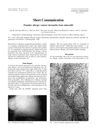
May 1998 in “Contact Dermatitis” Minoxidil can cause pustular allergic reactions on skin.
 16 citations
,
October 2009 in “Dermatology”
16 citations
,
October 2009 in “Dermatology” The spironolactone cream did not reduce hair growth in women with hirsutism.
 16 citations
,
March 2009 in “Skin Pharmacology and Physiology”
16 citations
,
March 2009 in “Skin Pharmacology and Physiology” SEPA™ enhances the effectiveness of minoxidil in stimulating hair growth, working faster and better than Rogaine® TS, with no significant side effects.
 12 citations
,
November 2011 in “International Journal of Dermatology”
12 citations
,
November 2011 in “International Journal of Dermatology” A woman developed a scalp condition from using minoxidil, which improved with a different treatment but left scarring.
 5 citations
,
January 1994 in “Skin Pharmacology and Physiology”
5 citations
,
January 1994 in “Skin Pharmacology and Physiology” Minoxidil absorption in skin is slowed by cleansing, depends on how long it stays on the skin, and is not much affected by reapplication.
1 citations
,
October 2015 in “The Pharma Innovation Journal” The best way to make a topical treatment for hair loss is to mix Saw Palmetto extract with 48% ethanol at the end of making the lotion.
 March 2025 in “Scientific Reports”
 Menthol-based microemulsions improve skin delivery of finasteride and silodosin.
 August 2018 in “Reactions Weekly”
 A woman had an allergic skin reaction to a hair loss treatment called minoxidil.