 May 2026 in “Scientific Reports”
 Kukui nut oil helps hair and eyelash growth.
 15 citations
,
January 2015 in “Skin Pharmacology and Physiology”
15 citations
,
January 2015 in “Skin Pharmacology and Physiology” Parathyroid hormones are important for hair growth, but their use in treating hair loss from chemotherapy is still uncertain.
 11 citations
,
May 2009 in “Actas Dermo-Sifiliográficas”
11 citations
,
May 2009 in “Actas Dermo-Sifiliográficas” Some treatments can help hair regrowth in alopecia areata, but none offer a cure, and effectiveness varies.
 10 citations
,
January 1985 in “Elsevier eBooks”
10 citations
,
January 1985 in “Elsevier eBooks” Active oxygen species might be involved in skin tumor growth, but their exact role is unclear.
 3 citations
,
March 2021 in “Metabolites”
3 citations
,
March 2021 in “Metabolites” Hair loss causes differ between men and women due to changes in hormone levels and inflammation-related pathways.
 3 citations
,
March 2014 in “TURKDERM”
3 citations
,
March 2014 in “TURKDERM” Alopecia areata is an autoimmune disorder causing hair loss and can impact mental health.
 2 citations
,
January 2023 in “International journal of biological sciences”
2 citations
,
January 2023 in “International journal of biological sciences” Gray hair can potentially be reversed, leading to new treatments.
 January 2026 in “Frontiers in Pharmacology”
 Minoxidil can treat hair loss with topical, oral, and sublingual options, offering personalized choices.
 February 2021 in “Journal of pharmaceutical and biological sciences”
 No cure exists for alopecia areata, and treatments are personalized.
 8 citations
,
September 2010 in “Journal of Men's Health”
8 citations
,
September 2010 in “Journal of Men's Health” Androgenic Alopecia, a common hair loss condition, can be effectively treated with finasteride and other treatments.
 32 citations
,
July 2011 in “Facial Plastic Surgery”
32 citations
,
July 2011 in “Facial Plastic Surgery” New hair transplant methods offer more natural results and better graft survival, with ongoing research to increase donor hair options.
 11 citations
,
August 2012 in “Canadian journal of ophthalmology”
11 citations
,
August 2012 in “Canadian journal of ophthalmology” Eyelash alopecia areata often goes undiagnosed and can lead to complete eyelash regrowth, especially in younger patients.
 3 citations
,
August 2021 in “Clinics in Dermatology”
3 citations
,
August 2021 in “Clinics in Dermatology” Minoxidil is the main over-the-counter treatment for hair loss, with other options like finasteride, latanoprost, retinoic acid, antioxidants, biotin, nutraceuticals, and platelet-rich plasma therapy also showing promise.
December 2022 in “Molecular Pharmaceutics” Latanoprost-loaded nanotransfersomes could help treat hair loss by promoting hair growth.
 1 citations
,
January 2022 in “Faculty reviews”
1 citations
,
January 2022 in “Faculty reviews” The best long-lasting results in treating hair loss may be achieved through combination therapy, including treatments like finasteride, minoxidil, and platelet-rich plasma injections.
9 citations
,
March 2018 in “Plastic and Aesthetic Research” Direct hair implantation with special pens improves hair transplant precision and effectiveness.
April 2024 in “Journal of clinical medicine” Effective treatment guidelines for frontal fibrosing alopecia are still unclear.
1 citations
,
January 2013 Bimatoprost treats glaucoma and promotes hair growth, with potential for more medical uses.
 36 citations
,
November 2005 in “Journal of The American Academy of Dermatology”
36 citations
,
November 2005 in “Journal of The American Academy of Dermatology” Topical latanoprost doesn't effectively regrow hair in severe eyebrow alopecia areata cases.
2 citations
,
September 2019 Alopecia areata treatments should be personalized, using options like steroids, JAK inhibitors, and other therapies based on individual needs.
 April 2016 in “Plastic and reconstructive surgery. Global open”
 Tafluprost could be a potential treatment for hair loss by promoting hair growth phase changes.
 4 citations
,
November 2015 in “Journal of Investigative Dermatology”
4 citations
,
November 2015 in “Journal of Investigative Dermatology” Testosterone may worsen hair loss by affecting hair growth signals, while different prostaglandins can either hinder or promote hair growth.
 33 citations
,
November 2006 in “Survey of Ophthalmology”
33 citations
,
November 2006 in “Survey of Ophthalmology” Madarosis is the loss of eyelashes and eyebrows due to various health issues and requires thorough examination to diagnose and treat the underlying cause.
 9 citations
,
November 2017 in “Journal of Glaucoma”
9 citations
,
November 2017 in “Journal of Glaucoma” Latanoprost eye drops may cause skin depigmentation.
 3 citations
,
November 2015 in “Journal of Investigative Dermatology”
3 citations
,
November 2015 in “Journal of Investigative Dermatology” Testosterone can both promote hair growth and cause baldness by affecting hair growth signals.
 65 citations
,
November 2004 in “Journal of the American Academy of Dermatology”
65 citations
,
November 2004 in “Journal of the American Academy of Dermatology” Bimatoprost can cause excessive eyelash growth.
 23 citations
,
March 1988 in “Biochemical Pharmacology”
23 citations
,
March 1988 in “Biochemical Pharmacology” Minoxidil stops cells from making prostacyclin, which may help with hair growth. More research is needed.
 165 citations
,
September 2003 in “Toxicology and applied pharmacology”
165 citations
,
September 2003 in “Toxicology and applied pharmacology” Blocking COX, especially COX-2, in the skin can reduce inflammation and pain and may help prevent skin cancer.
 23 citations
,
April 2004 in “American Journal of Ophthalmology”
23 citations
,
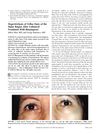
April 2004 in “American Journal of Ophthalmology” Using bimatoprost on one side of the face caused increased cheek hair growth in a patient.
 15 citations
,
March 2004 in “American Journal of Ophthalmology”
15 citations
,
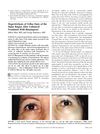
March 2004 in “American Journal of Ophthalmology” Using bimatoprost on one side of the face caused increased cheek hair growth in a patient.