10 citations
,
February 2022 in “Cancers” More research and guidelines are needed for managing prostate cancer in people with high-risk genetic mutations.
 8 citations
,
February 2021 in “Journal of the American Heart Association”
8 citations
,
February 2021 in “Journal of the American Heart Association” Medical castration in prostate cancer patients can increase the risk of serious heart rhythm problems, so it's important to monitor heart activity during treatment.
7 citations
,
January 2021 in “Food & Function” Chestnut flower extract may help reduce prostate cancer growth.
7 citations
,
September 1991 in “Journal of Andrology” 4‐MAPC reduces rat prostate weight and prostatein levels.
 6 citations
,
January 2016 in “Evidence-based complementary and alternative medicine”
6 citations
,
January 2016 in “Evidence-based complementary and alternative medicine” Saw palmetto supplements may reduce prostate cancer cell growth without being toxic.
 6 citations
,
February 2013 in “Medical Oncology”
6 citations
,
February 2013 in “Medical Oncology” Certain genetic variants increase the risk of resistance to hormone therapy in prostate cancer patients.
3 citations
,
November 2024 in “Cancers” Diabetes may lower the risk of prostate cancer.
 3 citations
,
March 2005 in “The Journal of urology/The journal of urology”
3 citations
,
March 2005 in “The Journal of urology/The journal of urology” Dutasteride may help shrink prostate cancer tumors.
 2 citations
,
May 2024 in “The World Journal of Men s Health”
2 citations
,
May 2024 in “The World Journal of Men s Health” Dutasteride and finasteride have similar effects on prostate cancer risk in BPH patients.
 1 citations
,
July 2017 in “The Journal of Urology”
1 citations
,
July 2017 in “The Journal of Urology” Low-dose finasteride and dutasteride reduce PSA levels by 27.8% in men with male androgenetic alopecia.
1 citations
,
September 2010 in “UEF eRepo (University of Eastern Finland)” Androgen receptors help prostate cancer cells grow and resist drugs.
1 citations
,
January 2004 in “Medicina de Familia SEMERGEN” Finasteride may help prevent prostate cancer.
August 2025 in “Therapeutics” Low-dose DMSO may help treat castration-resistant prostate cancer by reducing key cancer cell receptors.
 May 2024 in “KIU journal of health science”
 Kolaviron and quercetin may help treat prostate issues.
 March 2024 in “PLoS medicine”
 Physical activity, height, and smoking affect prostate cancer risk.
September 2022 in “Zenodo (CERN European Organization for Nuclear Research)” November 2020 in “UNC Libraries” Seven new genetic risk areas for prostate cancer were found.
 January 2014 in “Revista del Hospital Juárez de México”
 Finasteride reduces bleeding during prostate surgery.
January 2014 in “cIRcle (University of British Columbia)” Photoacoustic imaging can detect prostate brachytherapy seeds better with enhanced contrast methods, but depth limits remain.

Finasteride's effects on prostate cancer are not clear from this text.
 June 2011 in “Oncology times”
 New treatments are making advanced prostate cancer management more complex but also more hopeful.
 March 2011 in “European Urology Supplements”
 The document concludes that a new biosensor can efficiently detect prostate cancer cells and that standardized referrals help find significant cancers effectively.
 December 2010 in “Jurnal Natural (Faculty of Mathematics and Natural Science, Syiah Kuala University)”
 Age, race, family history, and certain genetic factors increase prostate cancer risk.
 December 2010 in “Actas Urológicas Españolas”
 Taking dutasteride for one month before prostate surgery can reduce bleeding.
 September 2010 in “European Urology Supplements”
 Serum triglyceride levels are not linked to prostate cancer risk.
August 2010 in “The Journal of urology/The journal of urology” Male pattern baldness may be linked to prostate cancer risk.
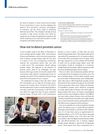
Finasteride reduces prostate cancer risk but may increase high-grade tumors; new drugs and better diagnosis are in development, but funding and industry commitment are challenges.
 February 2007 in “Lancet Oncology”
 Using a single PSA level to decide on a prostate biopsy is not effective; a more personalized approach considering various factors is recommended.
Androgen receptor overexpression can increase prostate cancer cell growth even without hormones.
February 2006 in “PubMed” Docetaxel slightly extends prostate cancer survival but has significant side effects and high cost.