 January 2026 in “E3S Web of Conferences”
 Silver nanoparticles from Mitracarpus scaber protect the liver and reduce prostate enlargement.
 August 2025 in “Fabad Journal of Pharmaceutical Sciences”
 Bicalutamide effectively treats prostate cancer but needs careful monitoring for side effects.
 April 2025 in “The Journal of Urology”
 Long-term finasteride use may lower prostate cancer risk but increase the need for erectile dysfunction medication.
 December 2024 in “Frontiers in Neurology”
 Testosterone with finasteride improved muscle and bone health in men with spinal cord injury.
September 2024 in “The Scientific Issues of Ternopil Volodymyr Hnatiuk National Pedagogical University Series pedagogy” High uric acid can cause health problems, but lifestyle changes can help manage it.
 April 2024 in “The Journal of urology/The journal of urology”
 SRD5A2 methylation in blood can predict how well someone will respond to finasteride treatment.

Early-onset baldness is linked to genetics, lifestyle, and can indicate higher risk for heart and metabolic diseases, and affects mental health.
 January 2024 in “Al-Ameed journal for medical research and health sciences”
 Testosterone is vital for male health, and its deficiency is linked to aging and common health issues.
New steroid derivatives show promise as anticancer agents, even against resistant cells.
 June 2023 in “Journal of Ayurvedic and herbal medicine”
 Pumpkin seeds may improve health due to their rich nutrients and potential to treat various conditions.
 November 2021 in “Pharmaceutical Sciences”
 New compounds were made and tested, with compound 6 showing potential for treating prostate-related diseases.
 April 2021 in “IntechOpen eBooks”
 Androgens, male hormones, affect physical and mental functions, with a decrease leading to health issues like muscle loss, bone disease, and depression, and more research is needed on long-term effects and treatments.
 September 2020 in “Current Enzyme Inhibition”
 Three compounds were found to inhibit a prostate disease-related enzyme and reduce prostate size more effectively than the current treatment, suggesting they could be used for treating benign prostatic hyperplasia.
Increased free testosterone can lead to stronger bones and less body fat but also higher risks of prostate cancer, hair loss, spine issues, and high blood pressure.
August 2019 in “KMOU Repository (Korea Maritime and Ocean University)” Sapium rotundifolium extract may help treat enlarged prostate.
April 2019 in “The Journal of urology/The journal of urology” Prescriptions for 5-alpha reductase inhibitors dropped significantly after the FDA's safety warning, especially for men with benign prostatic hyperplasia.
 December 2016 in “University of Birmingham Institutional Research Archive (University of Birmingham)”
 Steroid-producing capabilities in certain cancers may contribute to treatment resistance.
July 2014 in “Urologia Journal” 5ARI treatment improves PSA test accuracy for prostate cancer diagnosis.
March 2014 in “Annals of Internal Medicine” Combining α1-blockers with 5α-reductase inhibitors improves urinary symptoms in men.

The models can help find better inhibitors for conditions like baldness and prostate disorders.
January 2013 in “Zhonghua linchuang yishi zazhi” Taking finasteride for over a month before surgery reduces blood loss during TURP.
 September 2012 in “African Journal of Urology”
 Testosterone replacement therapy improves libido, mood, muscle strength, and bone density in men with Testosterone Deficiency Syndrome.
 July 2012 in “The Journal of Urology”
 Testosterone increases muscle mass regardless of DHT conversion blocking.
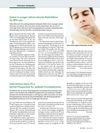
Early balding may be a sign of future prostate problems.
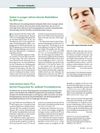
Men with early balding may have a higher risk of prostate issues, and surgery for prostate cancer has a slight survival benefit over radiation.
April 2012 in “The Journal of Urology” Finasteride therapy reduces PSA levels and prostate size, helping diagnose prostate cancer.
 February 2012 in “Community oncology”
 The document concludes that accurately identifying leukemia types is crucial, and the risks of cancer from finasteride need careful evaluation against its benefits.
January 2011 in “Zhonghua zhongyiyao xuekan” Yiqi Huayu medicine can effectively reduce BPH in rats by lowering MMP-2 levels and blood vessel growth.
August 2010 in “Oncology Times” Provenge extends prostate cancer survival by about 4 months.
 June 2010 in “Journal of Chemical Crystallography”
 The compound was successfully made and shows potential for treating prostate cancer.