 March 2026 in “Molecular and Cellular Biomedical Sciences”
 EH-MSCs may help treat hair loss by reducing inflammation.
 September 2025 in “Arthritis Research & Therapy”
 BMS-470539 reduces skin fibrosis and inflammation.
 April 2025 in “Cellular and Molecular Biology”
 Human dermal stem/progenitor cells can divide and differentiate more than hair follicle dermal papilla cells.
Eclipta Alba (Bhringraj) in hair oils promotes hair growth, reduces hair loss, and is safe with fewer side effects.

The mesenchymal stem cell secretome may effectively treat various diseases as an alternative to traditional stem cell therapies.
 February 2024 in “bioRxiv (Cold Spring Harbor Laboratory)”
 Tandem repeats significantly influence hair color, especially darker shades, across different ancestries.
 November 2023 in “Stem cells and cloning”
 A new treatment using stem cell-conditioned media significantly improved hair growth in people with temporary hair loss.
 January 2023 in “Journal of Cosmetics, Dermatological Sciences and Applications”
 The hair growth serum Trichosera® was effective in increasing hair regrowth and density and reducing hair fall without significant side effects.

New treatments for hair loss show promise, including plasma, stem cells, and hair-stimulating complexes, but more research is needed to fully understand them.
 September 2017 in “Journal of Investigative Dermatology”
 Blue light helps hair growth by affecting specific proteins in hair follicle cells.
 September 2016 in “Springer eBooks”
 Fat-derived stem cells may help treat skin aging and hair loss.
 December 2015 in “Vascular Pharmacology”
 Hair papilla cells are crucial for blood vessel development in hair follicles, affecting hair growth and loss.
 January 2007 in “Sen'i Gakkaishi”
 Mf-rich hair degrades more than Ma-rich hair, especially with Proteinase K.
 122 citations
,
November 1984 in “Journal of the American Academy of Dermatology”
122 citations
,
November 1984 in “Journal of the American Academy of Dermatology” No single treatment is consistently effective for alopecia areata, and more research is needed.
 116 citations
,
April 2002 in “American journal of veterinary research”
116 citations
,
April 2002 in “American journal of veterinary research” Trilostane effectively and safely treats dogs with pituitary-dependent hyperadrenocorticism, improving symptoms and adrenal gland size.
 114 citations
,
October 2009 in “Gastroenterology”
114 citations
,
October 2009 in “Gastroenterology” Zinc is crucial for nutrition, especially in patients with specific health conditions, and requires careful supplementation and monitoring.
 101 citations
,
December 2010 in “The journal of investigative dermatology/Journal of investigative dermatology”
101 citations
,
December 2010 in “The journal of investigative dermatology/Journal of investigative dermatology” Scientists turned mouse stem cells into skin cells that can grow into skin layers and structures.
 95 citations
,
February 2019 in “The New England Journal of Medicine”
95 citations
,
February 2019 in “The New England Journal of Medicine” Mutations in the PADI3 gene are linked to a higher risk of scarring hair loss in women of African descent.
 92 citations
,
August 2017 in “Proceedings of the National Academy of Sciences of the United States of America”
92 citations
,
August 2017 in “Proceedings of the National Academy of Sciences of the United States of America” Newborn mouse skin cells can grow hair and this process can be recreated in adult cells to potentially help with hair loss.
 70 citations
,
June 2010 in “Clinics in Dermatology”
70 citations
,
June 2010 in “Clinics in Dermatology” Certain groups may need vitamin supplements to improve hair health and prevent other health problems.
 56 citations
,
January 2021 in “Clinical and Experimental Medicine”
56 citations
,
January 2021 in “Clinical and Experimental Medicine” The document concludes that while there are various treatments for Alopecia Areata, there is no cure, and individualized treatment plans are essential due to varying effectiveness.
 54 citations
,
July 1967 in “Science”
54 citations
,
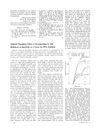
July 1967 in “Science” Decomposed tritiated thymidine is less accurate for DNA tracing, and hair changes can indicate malnutrition.
52 citations
,
April 2012 in “Journal of Investigative Dermatology” KRTAP2 genes are crucial for hair structure and may impact hair disorders and treatments.
 40 citations
,
March 2022 in “Small”
40 citations
,
March 2022 in “Small” Hydrogel with M2-derived exosomes improves wound healing by slowly releasing exosomes that help reduce inflammation and promote tissue repair.
40 citations
,
January 2018 in “International journal of trichology” Healthy scalp reduces hair loss by managing oxidative stress.
 38 citations
,
October 1988 in “Clinics in Dermatology”
38 citations
,
October 1988 in “Clinics in Dermatology” Hormones, nutrition, and seasonal changes regulate hair growth cycles, with androgens extending growth phases and factors like aging and malnutrition affecting hair loss and thinning.
 33 citations
,
December 2021 in “PLoS ONE”
33 citations
,
December 2021 in “PLoS ONE” It's unclear which molecules best characterize dry skin due to inconsistent findings.
32 citations
,
August 2016 in “Science Signaling” Alopecia areata patients show unique protein activity patterns, suggesting imbalanced signaling pathways.
 31 citations
,
January 2007 in “Journal of biological chemistry/The Journal of biological chemistry”
31 citations
,
January 2007 in “Journal of biological chemistry/The Journal of biological chemistry” Stress activates a special function of the Vitamin D receptor with the help of c-Jun, which can also prevent cell death.
 25 citations
,
May 2019 in “Heliyon”
25 citations
,
May 2019 in “Heliyon” Hair treatments cause significant structural changes, especially with excessive heat, regardless of ethnicity.