 1 citations
,
December 2011
1 citations
,
December 2011 Marine-derived ingredients show potential for hair health but need more human trials to confirm effectiveness.
 1 citations
,
January 2013 in “Chronicles of young scientists”
1 citations
,
January 2013 in “Chronicles of young scientists” Immuno-cosmeceuticals from chicken egg yolk can effectively repair and improve damaged hair.
 December 2025 in “Journal of Pharma Insights and Research.”
 The shampoo naturally colors and conditions hair safely without toxic chemicals.
 April 2025 in “BMC Chemistry”
 Thiadiazole chitosan conjugates improve hair manageability, moisture, and protection in conditioners.
 May 2024 in “Indian journal of pharmacy and pharmacology”
 Luliconazole is more effective than ketoconazole at repairing damaged hair cuticles.

Black hair's diversity in patterns and textures is influenced by follicle shape and keratin, and it holds cultural, artistic, and mathematical significance.
 September 2023 in “Asian journal of beauty & cosmetology”
 Lipids are important for healthy hair, but their exact role is not fully understood and needs more research.
 January 2017 in “Clinical approaches and procedures in cosmetic dermatology”
 Cosmetic procedures can harm hair, but damage can be minimized with knowledge and care; however, once hair is damaged, it cannot be reliably repaired.
 April 2025 in “International Journal for Research in Applied Science and Engineering Technology”
 The herbal hair gel is a safe, effective, and natural alternative to synthetic hair gels.
 December 2023 in “Journal of molecular structure”
 Hair treatments and dehydration affect hair's lipid and protein behavior, influencing its flexibility and appearance.
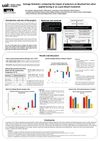 June 2017 in “University of the Arts London Research Online (University of the Arts London)”
 Polymers help reduce damage and improve bleached hair when used during or after bleaching.
 520 citations
,
January 2017 in “AIMS biophysics”
520 citations
,
January 2017 in “AIMS biophysics” Photobiomodulation therapy using red and near-infrared light can reduce inflammation and aid in healing various conditions.
 135 citations
,
December 2015 in “Expert Opinion on Biological Therapy”
135 citations
,
December 2015 in “Expert Opinion on Biological Therapy” Exosomes could potentially enhance tissue repair and regeneration with lower rejection risk and easier production than live cell therapies.
 131 citations
,
July 2009 in “Experimental Dermatology”
131 citations
,
July 2009 in “Experimental Dermatology” The document concludes that specific cells are essential for hair growth and more research is needed to understand how to maintain their hair-inducing properties.
 76 citations
,
August 2018 in “International Journal of Cosmetic Science”
76 citations
,
August 2018 in “International Journal of Cosmetic Science” Dermal Papilla cells are a promising tool for evaluating hair growth treatments.
 56 citations
,
February 2006 in “American journal of physiology. Cell physiology”
56 citations
,
February 2006 in “American journal of physiology. Cell physiology” Steroid sex hormones activate matriptase in prostate cancer cells but not in breast cancer cells.
55 citations
,
March 2014 in “EMBO Reports” Protein ubiquitylation is crucial for controlling stem cell functions and could be targeted for cancer treatment.
 53 citations
,
September 2020 in “Stem Cell Research & Therapy”
53 citations
,
September 2020 in “Stem Cell Research & Therapy” New methods to improve the healing abilities of mesenchymal stem cells for disease treatment are promising but need more research.
52 citations
,
May 1997 in “Journal of Biological Chemistry” High ornithine decarboxylase levels may lead to hair loss and cancer by increasing CK2 activity in the nucleus.
45 citations
,
January 2021 in “Stem Cell Research & Therapy” The combination of stem cell medium and hydrogel effectively reduces and improves hypertrophic scars.
 43 citations
,
March 2009 in “Journal of Cellular and Molecular Medicine”
43 citations
,
March 2009 in “Journal of Cellular and Molecular Medicine” TGF-β2 plays a key role in human hair growth and development.
 26 citations
,
December 2020 in “Nature metabolism”
26 citations
,
December 2020 in “Nature metabolism” Rapamycin treatment helps with mitochondrial disease by reducing PKC levels.
 26 citations
,
December 2016 in “Pharmacology & Therapeutics”
26 citations
,
December 2016 in “Pharmacology & Therapeutics” New drugs for heart disease may be developed from molecules secreted by stem cells.
14 citations
,
September 2024 in “Cosmetics” Exosomes and cell culture-conditioned media improve skin quality and reduce aging signs.
 13 citations
,
July 2022 in “Frontiers in cell and developmental biology”
13 citations
,
July 2022 in “Frontiers in cell and developmental biology” Tiny natural vesicles from cells might help treat hair loss.
 8 citations
,
November 2022 in “International Journal of Cosmetic Science”
8 citations
,
November 2022 in “International Journal of Cosmetic Science” Human hair varies widely and should be classified by curl type rather than race.
 8 citations
,
October 2022 in “International Journal of Molecular Sciences”
8 citations
,
October 2022 in “International Journal of Molecular Sciences” Self-amplifying RNA could be a better option for protein replacement therapy with lower doses and lasting effects, but delivering it into cells is still challenging.
7 citations
,
May 2025 in “Stem Cell Research & Therapy” Standardized methods are needed to understand how process conditions affect extracellular vesicle protein content for skin therapy.
4 citations
,
October 2018 in “Skin appendage disorders” Co-washing is gentler on hair but can cause residue buildup.
 1 citations
,
January 2024 in “Theranostics”
1 citations
,
January 2024 in “Theranostics” Exosomes show promise for future tissue regeneration.