 1 citations
,
April 2019 in “Journal of Investigative Dermatology”
1 citations
,
April 2019 in “Journal of Investigative Dermatology” Patients with autoimmune blistering diseases experience a reduced quality of life, with the need for better measurement tools, especially for those with mucous membrane pemphigoid.
1 citations
,
October 2023 in “European Journal of Dermatology” Combining hair transplantation with PRP is more effective for treating hair loss than hair transplantation alone.
 13 citations
,
July 2007 in “Pediatric dermatology”
13 citations
,
July 2007 in “Pediatric dermatology” Vitamin D3 ointment improved skin bumps on the chin but didn't give lasting results after stopping use.
June 2025 in “Dermatologic Surgery” Surgery can effectively treat severe eyelid turning out caused by a rare skin disorder.
 January 2022 in “Yonago Acta Medica”
 A woman got a skin condition from misusing a steroid cream, which improved after she stopped using it and started a new treatment.
90 citations
,
August 2006 in “British Journal of Dermatology” PRIDE syndrome includes skin and hair issues from cancer treatment with EGFR inhibitors.
 September 2023 in “Cureus”
 Topical antibiotics successfully treated a rare scalp condition in an elderly man with vitiligo.
 January 2025 in “Dermatology Practical & Conceptual”
 Perinevoid alopecia can be effectively treated with non-invasive corticosteroids.
 August 2025 in “Journal of Cosmetic Dermatology”
 Topical treatments and lasers can improve axillary hyperpigmentation, but no best method is established yet.
 1 citations
,
December 2022 in “Pediatric dermatology”
1 citations
,
December 2022 in “Pediatric dermatology” A boy developed a rare skin condition after recovering from a severe skin reaction, and it improved with lotion treatment.
 March 2025 in “International Journal of Trichology”
 FAPD in children may not depend on androgens and should be treated with anti-inflammatory measures and minoxidil.
34 citations
,
July 2013 in “Clinical Cosmetic and Investigational Dermatology” Erosive pustular dermatosis is a rare skin disease that's hard to treat and affects the scalp or legs.
 2 citations
,
March 2019 in “Veterinary dermatology”
2 citations
,
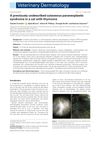
March 2019 in “Veterinary dermatology” Thymoma in cats can cause hair loss without inflammation.
 July 2023 in “The Journal of Family Practice”
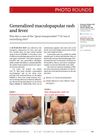
 The man was diagnosed with lupus and improved with treatment.
19 citations
,
November 1985 in “Archives of Dermatology” The newborn's skin blisters healed without scarring, leaving some light spots, and stopped forming after four months.
37 citations
,
September 2005 in “Australasian Journal of Dermatology” A man with scalp and neck skin issues improved after a year of oral isotretinoin.
Treat active lichen planopilaris early to prevent permanent hair loss.
2 citations
,
July 2013 in “PubMed” The pubic hair loss was likely due to anorexia nervosa.
 7 citations
,
January 2017 in “International Journal of Dermatology”
7 citations
,
January 2017 in “International Journal of Dermatology” Superficial cryotherapy significantly improves eyebrow hair growth in alopecia universalis patients.
2 citations
,
January 2017 in “International Journal of Trichology” Trichoscopy can reveal specific hair and scalp changes in linear morphea.
 4 citations
,
July 2014 in “International Journal of Dermatology”
4 citations
,
July 2014 in “International Journal of Dermatology” Twins had rare skin cysts likely due to genetics.
19 citations
,
July 2017 in “Clinical and experimental dermatology” Men with lichen planopilaris had earlier onset than women, and treatment usually improved the condition.
 November 2018 in “Skin appendage disorders”
 The document concludes that a woman has both Frontal Fibrosing Alopecia and Lichen Simplex Chronicus, a previously unreported combination of conditions.
1 citations
,
June 2019 in “Journal of Cutaneous Immunology and Allergy” Squaric acid dibutylester can cause severe skin reactions in people with allergies.
3 citations
,
December 2003 in “Archives of Pathology & Laboratory Medicine” The nodule was a benign cutaneous lymphadenoma, not cancer, and was successfully removed.
5 citations
,
January 2009 in “International Journal of Trichology” Two siblings had a rare hair condition with banded hair, which doesn't need treatment.
23 citations
,
June 1977 in “Clinical and experimental dermatology” Pityriasis amiantacea is likely linked to eczema-related skin changes.
Sheep can lose wool quickly due to stress, but it doesn't cause itching or pain.
1 citations
,
November 2014 in “Actas dermo-sifiliográficas/Actas dermo-sifiliográficas”