74 citations
,
September 2003 in “The Journal of Immunology” Activating PKCα in skin causes cell death and inflammation through different pathways.
79 citations
,
October 2003 in “PubMed” Overexpression of PKCepsilon leads to increased TNFalpha, promoting metastatic squamous cell carcinoma in mice.
 14 citations
,
April 2020 in “Journal of Cosmetic Dermatology”
14 citations
,
April 2020 in “Journal of Cosmetic Dermatology” QR678 treatments were more effective and comfortable for male hair loss than PRP treatments.
 August 2024 in “Advanced Healthcare Materials”
 RK81 can help promote hair growth.
26 citations
,
March 1995 in “Differentiation” A rabbit gene important for hair development was identified and detailed.
September 2025 in “OPAL (Open@LaTrobe) (La Trobe University)” SELP::KP improves hair strength, elasticity, and health, making it a promising hair cosmetic.
 March 1998 in “Journal of dermatological science”
 Diphencyprone initially increases mouse hair growth, then slows it, possibly due to changes in specific protein levels.
 13 citations
,
August 2017 in “Scientific reports”
13 citations
,
August 2017 in “Scientific reports” Researchers developed a cost-effective 66 K SNP chip for cashmere goats that is accurate and useful for genetic studies.
January 2026 in “Animal Genetics” A genetic variant in the GJB6 gene likely caused the Labrador's paw pad condition.
 2 citations
,
May 2021 in “bioRxiv (Cold Spring Harbor Laboratory)”
2 citations
,
May 2021 in “bioRxiv (Cold Spring Harbor Laboratory)” A special foam called EG7 PTK-UR helps heal skin wounds better than other similar materials, working as well as a top-rated product and better than a polyester foam.
 January 2024 in “Circulation”
 Certain genetic mutations can lower bad cholesterol and reduce heart disease risk, leading to effective cholesterol-lowering drugs.
July 2025 in “Journal of Investigative Dermatology” TRIV-509 quickly improves skin barrier and cell health in atopic dermatitis.
280 citations
,
January 2004 in “The EMBO Journal” AGC2-1 protein is essential for root hair growth in Arabidopsis.
1 citations
,
January 2015 in “China Animal Husbandry & Veterinary Medicine” Four keratin genes are crucial for hair growth in Xinji fine wool sheep.

SNP rs2479106 in the DENND1A gene may increase PCOS risk in Saudi Arabian females.
1 citations
,
July 2024 in “Journal of Investigative Dermatology” TAK-279 effectively reduces psoriasis symptoms and is safe.
 February 2020 in “Definitions”
 Mutations in the KRT16 gene can cause skin and nail disorders.
 1 citations
,
December 2014 in “Scanning”
1 citations
,
December 2014 in “Scanning” Multiphoton microscopy effectively images rabbit skin structures in detail without staining and shows differences from human skin.
 July 2024 in “New Phytologist”
 PDF2 senses specific lipids and regulates root growth and gene expression in Arabidopsis.
40 citations
,
December 2010 in “Human Genetics” Halo KS-7 bacteriophage effectively kills drug-resistant Klebsiella pneumoniae and could help treat infections.
51 citations
,
September 2012 in “Gene” The research identified a gene in sheep important for wool quality, which could help improve wool traits.
 2 citations
,
July 2015 in “Archives of Dermatological Research”
2 citations
,
July 2015 in “Archives of Dermatological Research” A new gene variant in the DSP gene is linked to a unique type of hair loss.
1 citations
,
January 2004 in “Cosmetics and toiletries” Polyquaternium-64 helps damaged hair look healthy again.

Different androgen concentrations affect wool-related gene expression differently in Hetian and Karakul sheep breeds.
December 2020 in “Faculty Opinions – Post-Publication Peer Review of the Biomedical Literature” The KDM1 gene helps Venus flytraps close by managing potassium ions.
July 2024 in “Journal of Investigative Dermatology” DS-2325a is safe and well-tolerated, supporting further development for Netherton Syndrome treatment.
October 2025 in “Physiologia” Spermidine may improve skin health and hair growth by enhancing cell function.
 January 1999 in “Journal of the European Academy of Dermatology and Venereology”
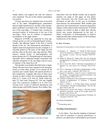
 RAPK is a rare skin disorder with pigmented spots, mainly on hands and feet, starting in youth.
24 citations
,
July 2014 in “Journal of Investigative Dermatology” Nagashima-type palmoplantar keratosis in Asians is caused by a SERPINB7 gene mutation.