October 2025 in “Physiologia” Spermidine may improve skin health and hair growth by enhancing cell function.
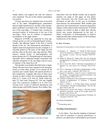 January 1999 in “Journal of the European Academy of Dermatology and Venereology”
 RAPK is a rare skin disorder with pigmented spots, mainly on hands and feet, starting in youth.
24 citations
,
July 2014 in “Journal of Investigative Dermatology” Nagashima-type palmoplantar keratosis in Asians is caused by a SERPINB7 gene mutation.
13 citations
,
February 2024 in “Clinical Cosmetic and Investigational Dermatology” Polynucleotides HPT improves Asian skin tone, firmness, and glow safely.
 January 2024 in “Wiadomości Lekarskie”
 pbn-STAC effectively finds strategies for cellular reprogramming using deep reinforcement learning.
Regular monitoring helps manage porphyria cutanea tarda effectively.
 3 citations
,
March 2014 in “Journal of Industrial Microbiology & Biotechnology”
3 citations
,
March 2014 in “Journal of Industrial Microbiology & Biotechnology” Scientists found a new gene in a bacterium that can modify an immunosuppressant drug, potentially helping to treat hair loss.
May 2010 in “Europe PMC (PubMed Central)” Near-infrared probes can safely and effectively image cysteine protease activity for disease diagnosis.
November 2025 in “Journal of Investigative Dermatology” A new genetic mutation causing Xeroderma Pigmentosum was found in an 8-year-old girl, affecting her DNA repair.
 13 citations
,
May 2016 in “International journal of biological macromolecules”
13 citations
,
May 2016 in “International journal of biological macromolecules” Keratin's mechanical properties are influenced by hydrogen bonds and secondary structure, and can be improved with the SPD-2 peptide.
November 2025 in “Journal of Investigative Dermatology” KLHL24-mutant stem cells help understand skin and heart disease.
 3 citations
,
June 2022 in “European journal of human genetics”
3 citations
,
June 2022 in “European journal of human genetics” A new type of pachyonychia congenita linked to a specific keratin gene mutation was found in two Pakistani families.
Ethanol changes GABAA receptor α4 subunit levels through phosphorylation and neuroactive steroids.
February 2026 in “Advanced Science” Targeting the p300/AR axis may help treat polycystic ovary syndrome.
26 citations
,
January 2011 in “Open Journal of Genetics” The KAP13-3 gene in sheep affects wool quality by influencing keratin assembly.
6 citations
,
March 1996 in “Journal of Investigative Dermatology”  April 2017 in “Journal of Investigative Dermatology”
 Certain mutations in the KLHL24 gene cause a skin disorder by breaking down an important skin protein.
 42 citations
,
January 2017 in “Genes”
42 citations
,
January 2017 in “Genes” The gene KAP22-1 affects wool yield and fiber shape in sheep.
 4 citations
,
January 2004 in “Biological and Pharmaceutical Bulletin”
4 citations
,
January 2004 in “Biological and Pharmaceutical Bulletin” AgK114 protein helps in hamster skin injury recovery.
 2 citations
,
March 2023 in “Research Square (Research Square)”
2 citations
,
March 2023 in “Research Square (Research Square)” Forensic DNA phenotyping faces challenges due to inconsistent terminology, limited genetic understanding, and debates over technology and models.
8 citations
,
June 2016 in “Journal of Investigative Dermatology” A rare genetic deletion in the KRT1 gene causes unique skin symptoms in a family.
 23 citations
,
January 2005 in “Nihon Ishinkin Gakkai zasshi”
23 citations
,
January 2005 in “Nihon Ishinkin Gakkai zasshi” Nested PCR can reliably identify fungal infections when traditional methods fail.
 4 citations
,
September 2010 in “Journal of Dermatological Science”
4 citations
,
September 2010 in “Journal of Dermatological Science” A new gene location for Keratosis follicularis squamosa was found on chromosome 7p14.3-7p12.1.
July 2026 in “Journal of Investigative Dermatology” 23 citations
,
October 2008 in “Journal of medicinal chemistry” PF-998425 is a new, effective, and non-phototoxic treatment for skin conditions related to androgens.

New pyridine compounds effectively inhibit GSK3, a diabetes treatment target.
 2 citations
,
December 2016 in “Experimental cell research”
2 citations
,
December 2016 in “Experimental cell research” The research found a way to identify and study skin cells with stem cell traits, revealing they behave differently in culture and questioning current stemness assessment methods.
 35 citations
,
July 2009 in “Optics express”
35 citations
,
July 2009 in “Optics express” Researchers created a new light source that improves chemical imaging by removing background noise.
175 citations
,
September 1998 in “British Journal of Dermatology” Keratin 17 gene mutations cause both steatocystoma multiplex and pachyonychia congenita type 2.
13 citations
,
July 2016 in “Indian Journal of Dermatology” DPR can show different hair characteristics, as seen in two brothers with normal hair.