
Early diagnosis and lifelong zinc supplementation are crucial for treating acrodermatitis enteropathica effectively.
October 2024 in “Journal of Medical and Scientific Research” Higher prolactin levels are linked to psoriasis, alopecia areata, and vitiligo severity.
 October 2024 in “Our Dermatology Online”
 Mitochondrial dysfunction links metabolic syndrome and inflammatory skin diseases, suggesting targeted therapies and lifestyle changes.
 September 2024 in “Cureus”
 Guselkumab effectively treats skin reactions caused by adalimumab in certain conditions.
Diagnosing scalp fungal infections is difficult due to similar symptoms with other conditions, requiring careful examination and specific tests.
 September 2024 in “International Journal of Pharmaceutical Quality Assurance”
 Nanoemulgels improve skin disorder treatment by delivering drugs more effectively and reducing application frequency.

Blood cell counts could help predict and treat alopecia areata and telogen effluvium.
 August 2024 in “Indian Journal of Entomology”
 Rabbits with mange recovered after ivermectin treatment.
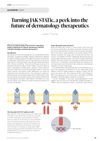 August 2024 in “New Zealand Medical Student Journal”
 JAK inhibitors show promise for treating skin diseases effectively and safely.

Personalized care and evidence-based treatments are crucial for managing skin and hair conditions.
 May 2024 in “Journal of drug delivery science and technology”
 Exosomes show promise for treating skin diseases and improving skin regeneration.
Visible lesions are not always needed to diagnose tinea capitis.

Clinicians should look for skin issues, sleep problems, cognitive changes, and food cravings as signs of insulin resistance.
April 2024 in “Russian Journal of Preventive Medicine” Skin changes can signal diabetes and metabolic issues, aiding early diagnosis and treatment.
 April 2024 in “Frontiers in cellular and infection microbiology”
 Blue light might help treat skin conditions by affecting the skin's bacteria.
 April 2024 in “Nepal journal of dermatology, venereology & leprology”
 Vitamin D is important for skin health and can help treat and prevent various skin conditions.
 March 2024 in “Ukraïnsʹkij žurnal dermatologìï, venerologìï, kosmetologìï”
 Insulin resistance significantly contributes to the development and severity of certain chronic skin diseases.
 March 2024 in “International journal of molecular sciences”
 Zinc, copper, and iron are important for skin health and may help diagnose skin diseases.
 March 2024 in “Current materials science”
 Fisetin, found in fruits and vegetables, may help treat various health conditions like inflammation, diabetes, heart issues, cancer, and hair loss.

Doctors should consider Netherton syndrome in patients with chronic skin and hair issues to avoid misdiagnosis.
 March 2024 in “GSC Advanced Research and Reviews”
 Different light affects cell functions and can help treat skin conditions.
March 2024 in “International journal of molecular sciences” Mitochondrial dysfunction is linked to various skin conditions and could be a target for treatments.
 March 2024 in “IP Indian journal of clinical and experimental dermatology”
 Elderly in South India commonly suffer from skin issues like wrinkles, dryness, and infections, needing better skin care education.
 March 2024 in “International Research Journal Of Modernization In Engineering Technology And Science”
 Certain plants like Aloe vera and Neem are effective and safe for treating various skin conditions.
 February 2024 in “Curēus”
 A balanced diet with proteins, vitamins, and minerals is crucial for managing skin disorders.
February 2024 in “International journal of molecular sciences” Type 3 Innate Lymphoid Cells help maintain skin health and balance, and are involved in skin diseases and healing.
 January 2024 in “JEADV Clinical Practice”
 Patients with certain skin diseases are willing to spend significant time on treatment, indicating a high impact on their lives and a need for better treatments.
 January 2024 in “Frontiers in immunology”
 Histone modification is key in treating chronic inflammatory skin diseases.

The system can automatically identify different hair and scalp conditions using machine learning.
 January 2024 in “Journal of Pharmacognosy and Phytochemistry”
 Kabīkaj has potential medicinal benefits for skin conditions but is less used now due to availability issues.