21 citations
,
March 2018 in “JEADV. Journal of the European Academy of Dermatology and Venereology/Journal of the European Academy of Dermatology and Venereology” 5-alpha-reductase inhibitors may help stabilize or slow down hair loss in some frontal fibrosing alopecia patients, but more research is needed to confirm their effectiveness and safety.
 19 citations
,
May 2019 in “JAMA dermatology”
19 citations
,
May 2019 in “JAMA dermatology” People with alopecia areata have similar overall death rates as others but higher risks of death from self-harm, psychiatric issues, and lung cancer in certain cases.
16 citations
,
October 2024 in “Journal of Paediatrics and Child Health” Alopecia areata negatively affects the self-esteem and quality of life of children and teens.
 15 citations
,
May 2017 in “JEADV. Journal of the European Academy of Dermatology and Venereology/Journal of the European Academy of Dermatology and Venereology”
15 citations
,
May 2017 in “JEADV. Journal of the European Academy of Dermatology and Venereology/Journal of the European Academy of Dermatology and Venereology” High-dose corticosteroids and methotrexate had a modest effect on severe childhood alopecia, but side effects and relapse were concerns.
 14 citations
,
November 2011 in “Journal of The American Academy of Dermatology”
14 citations
,
November 2011 in “Journal of The American Academy of Dermatology” Alopecia Areata Incognita causes widespread hair thinning, and treatment with systemic corticosteroids and psychiatric support can lead to remission.
 12 citations
,
May 2017 in “Medicine”
12 citations
,
May 2017 in “Medicine” Oral isotretinoin was recommended for a 21-year-old woman with severe acne.
 10 citations
,
January 2016 in “Dermatologic Clinics”
10 citations
,
January 2016 in “Dermatologic Clinics” Some acne medications have side effects; doctors should educate patients and may not need to do frequent lab tests for all.
8 citations
,
August 2016 in “Expert opinion on pharmacotherapy” New, safer treatments for children's hair disorders are needed, and better evaluation methods are recommended.
7 citations
,
March 2022 in “Journal of the American Academy of Dermatology” Stress can trigger or worsen alopecia areata.
 6 citations
,
July 2026 in “Zenodo (CERN European Organization for Nuclear Research)”
6 citations
,
July 2026 in “Zenodo (CERN European Organization for Nuclear Research)” Finasteride and dutasteride have limited use in feminising therapy and are not recommended for routine use.
6 citations
,
May 2024 in “Clinical and Experimental Dermatology” Alopecia areata in children often leads to anxiety, depression, and other mental health issues, affecting their quality of life.
 6 citations
,
January 2018 in “Acta dermatovenerologica Alpina, Pannonica et Adriatica (Tiskana izd.)”
6 citations
,
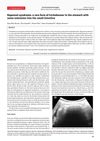
January 2018 in “Acta dermatovenerologica Alpina, Pannonica et Adriatica (Tiskana izd.)” An 8-year-old girl with Rapunzel syndrome had a hairball removed from her stomach and intestines and recovered well after surgery.
 4 citations
,
June 2011 in “PubMed”
4 citations
,
June 2011 in “PubMed” Alopecia should be treated as a medical condition because it may increase the risk of serious diseases and psychological issues.
 2 citations
,
March 2024 in “PubMed”
2 citations
,
March 2024 in “PubMed” More research is needed on alopecia areata treatments and its psychological effects.
1 citations
,
September 2024 in “Actas Dermo-Sifiliográficas” Alopecia areata is more common in women, often appears as patchy hair loss, and is usually treated with steroid injections and minoxidil.
1 citations
,
April 2024 in “Piel” Telogen effluvium causes sudden hair loss, often due to stress or changes, and is treated by addressing the cause and offering support.
 1 citations
,
April 2022 in “Global health & medicine”
1 citations
,
April 2022 in “Global health & medicine” Long COVID in Japan involves persistent symptoms like fatigue and may be caused by lasting organ damage and prolonged inflammation, with vaccination as a potential treatment.
 1 citations
,
March 2022 in “medRxiv (Cold Spring Harbor Laboratory)”
1 citations
,
March 2022 in “medRxiv (Cold Spring Harbor Laboratory)” Polycystic Ovary Syndrome (PCOS) increases the risk of mental health disorders, but its impact on Black Asian Minority Ethnic groups isn't fully known.
July 2026 in “Quality in Sport” Alopecia areata requires early, personalized treatment for hair loss and mental health, with promising new therapies needing more research.
July 2026 in “Journal of the American Academy of Dermatology” Finasteride may lower depression risk in younger men with hair loss but increase it in older men with prostate issues.
 June 2026 in “Wiener klinische Wochenschrift”
 New treatments for alopecia areata show promise but need ongoing use and have infection risks.
June 2026 in “Journal of Clinical Practice and Medical Case Report.” Trichotillomania can mimic alopecia areata, requiring careful diagnosis and consideration of psychosocial factors in treatment.
June 2026 in “The Journal of Sexual Medicine” Finasteride may be linked to more psychiatric issues than dutasteride, but a definite cause isn't proven.
February 2026 in “Boletín Médico del Hospital Infantil de México” Children with alopecia areata often have related health issues like allergies, autoimmune diseases, or mental health conditions.
September 2025 in “Therapies” Finasteride use for hair loss may cause depression and suicidal thoughts, requiring careful monitoring.

A 14-year-old girl with a condition that makes her hair easy to pull out also has a hair-pulling disorder, and treatment helped but she relapsed after a year.
 April 2024 in “International journal of impotence research”
 Some men experience persistent sexual, neurological, and psychological symptoms after stopping finasteride, but evidence of permanent damage is inconclusive.

Onabotulinumtoxin-A effectively treated a painful scalp condition when other treatments failed.
 February 2024 in “Actas dermo-sifiliográficas/Actas dermo-sifiliográficas”
 Most alopecia areata patients in the study were women, aged 15-49, with patchy hair loss and often had other health conditions.
 February 2024 in “World journal of clinical cases”
 A young woman had surgery to remove a large hairball that blocked her intestines and then got psychiatric help.