 June 2024 in “British Journal of Dermatology”
 Permanent hair loss from chemotherapy significantly impacts patients' mental health and social life, highlighting the need for better patient education and support.
 June 2024 in “IP Indian journal of clinical and experimental dermatology”
 Hair loss has many causes and treatments, but future research aims for better solutions.

Men with hair loss are seen as less attractive and shorter, and height is a key factor in attractiveness ratings.
February 2024 in “Journal of the European Academy of Dermatology and Venereology” Alopecia affects many, often without seeking help, highlighting the need for better awareness and treatment.

Alopecia patients in the UK want more empathy and better care from healthcare providers, including more GP training on alopecia and improved care pathways.
 January 2023 in “Frontiers research topics”
 Skin conditions can cause significant psychological distress, so addressing mental health is crucial for improving quality of life.
 November 2022 in “Revista Hospital Clínico Universidad de Chile”
 COVID-19 may cause hair loss due to the virus's effects and stress from the pandemic.
 October 2022 in “Research, Society and Development”
 Hair loss is a symptom of long COVID and can be treated with a protein-rich diet.
May 2022 in “Brazilian Journal of Health Review” COVID-19 infection can cause temporary hair loss due to stress, treatment drugs, psychological impact, and pandemic-related stress.
 August 2019 in “DOAJ (DOAJ: Directory of Open Access Journals)”
 Telogen effluvium is a common, distressing condition causing excessive hair shedding and has significant psychological effects on patients.
 April 2019 in “University of Huddersfield Repository (University of Huddersfield)”
 Alopecia causes emotional distress, and better psychological support is needed.
 May 2017 in “InTech eBooks”
 Early treatment of children's hair loss, which can be caused by various factors, is important due to its emotional impact.

Female hair loss is often hereditary and can be treated with medication, hair transplants, and lasers.
August 2012 in “Reactions Weekly” Finasteride users with sexual issues often experience depression.
 June 2011 in “The Journal for Nurse Practitioners”
 Up to half of adult women may experience hair loss, and doctors should use medical history, exams, and tests to find the cause and treat it.
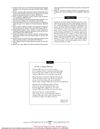 December 2002 in “Archives of Dermatology”
 The poem ends by asking for case reports on serious health issues like Telogen Effluvium.
 June 2001 in “International Journal of Cosmetic Surgery and Aesthetic Dermatology”
 The editorial concludes that the field of hair loss treatment has become more scientific and that effective treatments are important for self-esteem and job prospects.
February 2026 in “BMJ Open” A multidisciplinary approach is crucial for supporting the well-being of people with alopecia areata.
 August 2024 in “Nutrition Bulletin”
 GLP-1 receptor agonists help with weight loss but need to be combined with other treatments for best results.

Hair loss can cause significant social and emotional issues, especially for women and young men.
7 citations
,
March 2022 in “Journal of the American Academy of Dermatology” Stress can trigger or worsen alopecia areata.
 November 2022 in “IntechOpen eBooks”
 Hair loss can significantly impact a person's mental health, causing issues like anxiety and depression, and stress can trigger hair loss.
Psychological factors significantly impact alopecia areata.
20 citations
,
April 2023 in “Frontiers in Public Health” Psychological and social responses to scars can indicate mental health risks.
November 2025 in “OPAL (Open@LaTrobe) (La Trobe University)” Androgenetic alopecia negatively impacts mental health, suggesting a need for psychological support in treatment.
 16 citations
,
January 2011 in “Indian Journal of Dermatology”
16 citations
,
January 2011 in “Indian Journal of Dermatology” Most patients with cicatricial alopecias face significant psychological and social challenges due to their hair loss.
1 citations
,
October 2016 in “Journal of medical science and clinical research” Younger males with androgenic alopecia face significant psychological impacts but maintain better quality of life.
Chronic hair diseases can severely impact mental health and self-confidence.
 December 2025 in “IP Indian Journal of Clinical and Experimental Dermatology”
 Androgenetic alopecia in males is linked to significant psychological distress, highlighting the need for both mental and dermatological care.
 June 2023 in “Buletin de psihiatrie integrativă”
 Alopecia causes significant emotional distress and psychological issues, requiring combined skin and mental health treatment.