 September 2025 in “Clinical Cosmetic and Investigational Dermatology”
 Kūlaris improved quality of life for acne sufferers without side effects.
 July 2025 in “International Journal of Dermatology Venereology and Leprosy Sciences”
 Microneedling may improve melasma treatment by boosting topical therapy effectiveness.
 July 2025 in “Clinical Cosmetic and Investigational Dermatology”
 Immune cells and cytokines significantly affect pathological scar development.
 June 2025 in “Saratov Medical Journal”
 Ongoing research and innovation are crucial for improving skin care and treatment.
 June 2025 in “Clinical Cosmetic and Investigational Dermatology”
 There's an urgent need for better treatments for hair loss caused by radiation therapy.
 May 2025 in “Insights-Journal of Health and Rehabilitation”
 Aloe vera and lemon extracts can significantly reduce acne, especially when used together.
 April 2025 in “International Journal of Clinical Research and Reports”
 Lifestyle changes can significantly improve hair loss in overweight women with PCOS.

Technology can improve sexual dysfunction in chronic disease patients but faces challenges like cost and accessibility.
 January 2025 in “ARC Journal of Dermatology”
 Black patients are underrepresented in alopecia research, highlighting the need for more inclusive studies.
 January 2025 in “ARC Journal of Dermatology”
 Transgender youth on hormone therapy need personalized acne treatments and supportive care.
 December 2024 in “Highlights in Science Engineering and Technology”
 Stem cells show promise for hair regrowth, but challenges remain.
 December 2024 in “Cureus”
 Baricitinib treatment for alopecia universalis can cause hair regrowth with unexpected whitening.
 December 2024 in “Journal of Population Therapeutics and Clinical Pharmacology”
 Rosemary and kalonji seeds can improve hair health and treat hair conditions.
 August 2024 in “International Journal of Health Science”
 Telogen Effluvium (TE) significantly affects women due to stress and hormonal changes, requiring better public health policies and mental health support.
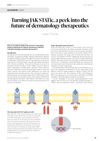 August 2024 in “New Zealand Medical Student Journal”
 JAK inhibitors show promise for treating skin diseases effectively and safely.
 March 2024 in “Clinical, cosmetic and investigational dermatology”
 Upadacitinib may effectively treat alopecia areata without side effects.
 February 2024 in “Sohag Medical Journal”
 Various local treatments for alopecia areata show promise, but individualized plans and more research are needed.
 January 2024 in “Deleted Journal”
 Essential oils like lavender, chamomile, and bergamot help manage stress and improve well-being.
 January 2024 in “Wiadomości Lekarskie”
 AI and advanced technologies are improving medical diagnostics and treatments.
 December 2023 in “Malahayati International Journal of Nursing and Health Science”
 Chemotherapy in children often causes hair loss, nausea, vomiting, and mood swings.
 December 2023 in “Asian Journal of Pharmaceutical Research and Development”
 PCOS is a complex disorder needing lifestyle changes, support, and treatment, with new herbal treatments showing promise.
 March 2023 in “International Journal of Biomedicine”
 Hair loss from Telogen Effluvium can be managed by treating the underlying cause and may improve with treatments like minoxidil.
 October 2022 in “Journal of Pharmaceutical Negative Results”
 Photobiomodulation therapy shows promise in treating various health conditions by using specific light wavelengths.
 October 2022 in “Endocrine journal”
 Testosterone and dihydrotestosterone treatments can help with penile growth in males with 5α-reductase type 2 deficiency, with dihydrotestosterone being more effective in infancy.
 April 2021 in “JOJ dermatology & cosmetics”
 The combined laser and plasma jet therapy effectively regrew hair in a woman with alopecia areata.
 September 2020 in “Journal of Investigative Medicine”
 Omics techniques are needed to understand the scalp microbiome's role in alopecia areata for new treatments.
 November 2019 in “Journal of Aesthetic Nursing”
 The article concludes that a thorough diagnosis and treatment plan, including medications, non-invasive methods, or surgery, is important for managing hair loss, with a combination of minoxidil and finasteride being particularly effective.
 October 2018 in “InTech eBooks”
 The gene Foxn1 is important for hair growth, and understanding it may lead to new alopecia treatments.
The document concludes that current hair loss treatments have limitations and suggests researching new treatments targeting different factors of hair loss.

Human scalp hair follicles have PGE2 and its receptors, which might affect hair growth.