 5 citations
,
October 2021 in “Vlaams Diergeneeskundig Tijdschrift”
5 citations
,
October 2021 in “Vlaams Diergeneeskundig Tijdschrift” The protocol is easy to use, but reliable results need the same person to assess each time.
229 citations
,
March 2001 in “European journal of endocrinology” Testosterone levels influence male behaviors and physical traits, but this relationship is complex and influenced by both internal and external factors.
 41 citations
,
March 1992 in “Archives of Dermatology”
41 citations
,
March 1992 in “Archives of Dermatology” The review suggests that understanding and treating the psychological aspect of skin disorders is important and calls for more collaboration in this field.
1 citations
,
May 2024 in “Human Genomics” Polygenic risk scores can predict the risk and outcomes of benign prostatic hyperplasia.
January 2026 in “International Journal of Cosmetic Science” Hair vibrancy involves how hair looks and feels, helping create better hair products.
 18 citations
,
November 2000 in “British Journal of Dermatology”
18 citations
,
November 2000 in “British Journal of Dermatology” Many skin patients have mental health issues, so dermatologists should consider psychological care.
February 2017 in “Faculty Opinions – Post-Publication Peer Review of the Biomedical Literature” Hair cortisol measurement is a promising, non-invasive tool for monitoring cortisol exposure over time.
 4 citations
,
November 2011 in “Archives of Dermatology”
4 citations
,
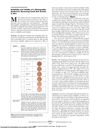
November 2011 in “Archives of Dermatology” The photographic method for measuring facial hair density is reliable and valid but needs further testing on different hair densities and skin colors.
 November 2023 in “Journal of animal science/Journal of animal science ... and ASAS reference compendium”
 Pig hair cortisol levels are inheritable and linked to stress responses, which could help select for more resilient pigs.
1 citations
,
June 2024 in “Rehabilitation Medicine” Higher cortisol and cortisone levels in hair may predict mood disorders after a stroke.
2 citations
,
December 2010 in “PubMed” The new stiffness test works well for gels but not for sprays.
July 2025 in “Journal of Clinical Medicine” Women with PCOS experience more psychological symptoms and need emotional support.

SMP improves psychological well-being by boosting appearance satisfaction and perceived attractiveness.
 5 citations
,
May 2018 in “Statistics in Medicine”
5 citations
,
May 2018 in “Statistics in Medicine” Model improves accuracy in predicting hair loss effects.
 11 citations
,
February 2019 in “Frontiers in Physiology”
11 citations
,
February 2019 in “Frontiers in Physiology” Hair properties are interconnected; a comprehensive, cross-disciplinary approach is essential for understanding hair behavior.
7 citations
,
June 2015 in “EMBO Reports” Forensic DNA phenotyping can help generate new leads in cold cases but faces accuracy, legal, and acceptance challenges.
 November 2023 in “The journal of investigative dermatology/Journal of investigative dermatology”
 The document concludes that a new questionnaire to assess mental health in alopecia patients shows low rates of seeking mental health services and support groups.
May 2026 in “Psychoneuroendocrinology” 
In 2020, a new online survey was made to help identify Polycystic ovary syndrome (PCOS) in women, but it needs some improvements for better understanding and accuracy.
The Breast Utility Instrument was developed to assess quality of life in breast cancer patients.
August 2020 in “The Journal of Qazvin University of Medical Sciences” Demographic factors like age, education, and marriage duration affect mindfulness in women with PCOS.
January 2012 in “ProQuest LLC eBooks” Changes in early neurosteroid levels can affect adult learning and anxiety.
 4 citations
,
July 2001 in “Personality and Individual Differences”
4 citations
,
July 2001 in “Personality and Individual Differences” Men with moderate hair loss had the best spatial thinking, and long-term DHT might affect cognition.
 January 2024 in “Zenodo (CERN European Organization for Nuclear Research)”
 The conclusion is that certain traits, including perceived facial aging and BMI, are linked to how youthful people look, with some differences between males and females.
3 citations
,
December 2021 in “Skin research and technology” Higher hair luminosity and shine mean higher perceived transparency.
5 citations
,
October 2017 in “Journal of Mind and Medical Sciences” Finasteride treatment should be personalized to individual mental profiles.
September 2025 in “Journal of Intellectual Disability Research” Measuring hair glucocorticoids for stress is moderately feasible, especially in females and those with moderate intellectual disabilities.
The review suggests the study on male pattern baldness needs more detail on sample size, methodology, bias, and ethical considerations.
14 citations
,
January 2003 in “Skin Research and Technology” The new scalp coverage scoring method accurately measures hair loss and growth in men.
 June 2021 in “Journal of The American Academy of Dermatology”
 New scale reliably assesses male hair loss with female pattern.