2 citations
,
March 2025 in “JAMA Dermatology” High-quality validation studies are needed to improve alopecia areata patient-reported outcome measures.
 2 citations
,
February 2024 in “Journal of the European Academy of Dermatology and Venereology”
2 citations
,
February 2024 in “Journal of the European Academy of Dermatology and Venereology” The study created a 27-item measure to assess the impact of skin diseases.
 October 2023 in “Journal of the European Academy of Dermatology and Venereology”
 Patients with skin diseases rated psychological effects as most impactful, needing a treatment approach that addresses both mind and body.
 27 citations
,
January 2016 in “Quality of Life Research”
27 citations
,
January 2016 in “Quality of Life Research” The PCOSQ-50 is a valid and reliable questionnaire for measuring quality of life in Iranian women with PCOS.
 1 citations
,
July 2024 in “PharmacoEconomics - Open”
1 citations
,
July 2024 in “PharmacoEconomics - Open” The EQ-5D-5L tool may not accurately measure the impact of alopecia areata on patients' lives.
 9 citations
,
January 2014 in “Postepy Dermatologii I Alergologii”
9 citations
,
January 2014 in “Postepy Dermatologii I Alergologii” The Polish Skindex-29 is a reliable and valid questionnaire for assessing the quality of life in Polish dermatology patients.
 157 citations
,
May 2021 in “Endocrine Reviews”
157 citations
,
May 2021 in “Endocrine Reviews” Early diagnosis and individualized treatment improve outcomes for Congenital Adrenal Hyperplasia.
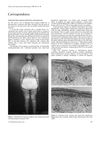 5 citations
,
January 1998 in “Clinical and experimental dermatology”
5 citations
,
January 1998 in “Clinical and experimental dermatology” Myotonic dystrophy should be considered in patients with hair thinning, and genetic counseling is important.
3 citations
,
November 2023 in “BMC Public Health” Both EQ-5D-5L and SF-6DV2 are valid for measuring health but can't be used interchangeably.
22 citations
,
August 2020 in “Health and Quality of Life Outcomes” The DLQI is reliable but may not fully capture the impact of skin conditions on quality of life, especially in emotional and psychological areas.
20 citations
,
April 2023 in “Frontiers in Public Health” Psychological and social responses to scars can indicate mental health risks.
8 citations
,
June 2023 in “British Journal of Dermatology” The SAAD-41 scale effectively measures the psychosocial impact of alopecia areata.
5 citations
,
February 2023 in “Skin Health and Disease” The Swedish Hairdex-S is a reliable tool for assessing quality of life in Alopecia Areata patients.
13 citations
,
April 2021 in “Value in Health” There is a significant need for better-validated quality of life tools in dermatology.
19 citations
,
February 2018 in “International Journal of Endocrinology and Metabolism” The questionnaire is valid and reliable but needs more testing for future predictions.
 45 citations
,
March 2010 in “Journal der Deutschen Dermatologischen Gesellschaft”
45 citations
,
March 2010 in “Journal der Deutschen Dermatologischen Gesellschaft” A systematic approach is crucial for managing hair loss in women.
 10 citations
,
January 2012 in “International Journal of Trichology”
10 citations
,
January 2012 in “International Journal of Trichology” The study found no link between anxiety, vitamin B12, folate, TSH, ferritin, zinc levels, and trichodynia in telogen alopecia patients.
 May 2018 in “Actas Dermo-Sifiliográficas”
 The Spanish version of the Hair Specific Skindex-29 is a reliable tool for measuring quality of life in Spanish-speaking women with hair loss.
 36 citations
,
January 1998 in “Journal of Dermatological Treatment”
36 citations
,
January 1998 in “Journal of Dermatological Treatment” The questionnaire effectively measures men's perceived hair growth and can distinguish between different treatments and dosages.
 15 citations
,
October 2015 in “PLOS ONE”
15 citations
,
October 2015 in “PLOS ONE” The Chinese version of the PCOS quality of life questionnaire is reliable and valid for Chinese-speaking women with PCOS.
 July 2026 in “Quality in Sport”
 Athletes may experience reduced effectiveness of aesthetic treatments due to high metabolism and stress, and often have body image disorders.
 8 citations
,
March 2021 in “Medicine”
8 citations
,
March 2021 in “Medicine” The revised Chinese Symptom Checklist-90 is more reliable and valid for psychological assessments.
5 citations
,
May 2018 in “Therapeutic advances in drug safety” Androgen use may increase the risk of stroke, but more research is needed.
2 citations
,
July 2024 in “Journal of Cosmetic Dermatology” The HAIR-Q is a reliable tool for assessing patient satisfaction with hair loss treatments.
 August 2024 in “Frontiers in Public Health”
 Alopecia Areata severely impacts mental health, causing anxiety and depression, affecting quality of life.
 November 2010 in “Value in Health”
 Real-life dosing of biologics for plaque psoriasis often deviates from recommended guidelines, especially for high-need patients.
 19 citations
,
January 2013 in “Journal of Cutaneous Medicine and Surgery”
19 citations
,
January 2013 in “Journal of Cutaneous Medicine and Surgery” Alopecia patients struggle with emotions and stress, and improving emotional intelligence may help manage hair loss.
 22 citations
,
November 2021 in “Dermatology and Therapy”
22 citations
,
November 2021 in “Dermatology and Therapy” The AAPPO questionnaire is a reliable tool for assessing hair loss impact in alopecia areata patients.
 21 citations
,
January 2017 in “Skin Pharmacology and Physiology”
21 citations
,
January 2017 in “Skin Pharmacology and Physiology” Caffeine-based liquid 0.2% is as effective as minoxidil 5% for treating male hair loss.
 78 citations
,
December 2011 in “Clinical toxicology”
78 citations
,
December 2011 in “Clinical toxicology” Excessive selenium from a supplement caused toxicity but patients recovered with care.