 February 2026 in “International Journal of Homoeopathic Sciences”
 Individualized homeopathic treatment with Lycopodium clavatum may help manage alopecia areata and improve related emotional symptoms.
 February 2026 in “International Journal of Homoeopathic Sciences”
 Homeopathy may help reduce hair pulling and improve hair regrowth in trichotillomania.
 January 2026 in “Medico Research Chronicles”
 Homeopathic treatment improved hair loss after other methods failed.
 January 2026 in “Medico Research Chronicles”
 Homeopathy may help reduce hair loss and improve hair quality in male pattern baldness.
 January 2026 in “Medico Research Chronicles”
 Homeopathy and exosome therapy improved hair growth and health in a man with advanced hair loss.
 January 2026 in “Journal of Homeopathy Studies”
 Homeopathic treatment improved hair growth and emotional well-being in a young female with alopecia areata.
 January 2026 in “Archives of Internal Medicine Research”
 PRP, exosomes, and physical therapies show promise for hair and tissue repair, but need more research for optimization.
 November 2025 in “International Journal Of Ayurvedic And Herbal Medicine”
 Homeopathic treatment helped reduce hair fall caused by emotional stress.
 November 2025 in “PARIPEX-INDIAN JOURNAL OF RESEARCH”
 GFC is more effective than PRP for treating hair loss.
 September 2025 in “Asian Journal of Neurosurgery”
 Minimizing hair shaving before brain tumor surgery can improve self-esteem.
 August 2025 in “Benha Medical Journal”
 PRP therapy improves hair growth safely in androgenetic alopecia but needs standardized methods.
 April 2025 in “International Journal of Homoeopathic Sciences”
 Carcinosin, a homeopathic remedy, helped a young girl with alopecia areata regrow hair and reduce psychological symptoms.

Premature graying of hair is linked to vitamin D and B12 deficiencies, thyroid issues, iron imbalance, stress, and lifestyle habits, and affects quality of life.

Dermatologists need better training on Black hair to improve care and outcomes.
 January 2022 in “The Egyptian Journal of Hospital Medicine”
 Higher IL-21 levels may help predict alopecia areata activity.
 April 2018 in “Journal of Investigative Dermatology”
 Minoxidil didn't significantly increase hair growth in minipigs.
 April 2016 in “Journal of Aesthetic Nursing”
 Men are increasingly removing body hair for looks and cleanliness, and while hair loss can cause distress, it doesn't affect their self-esteem as much as it does in women.
 January 2014 in “Journal of Clinical and Investigative Dermatology”
 Young rats are better for testing hair loss treatments after chemotherapy.
 January 2013 in “Journal of dermatology”
 A new medical syndrome may include skin changes, hair loss, sweating issues, bone malformations, leg swelling, and low cortisol.
 September 2008 in “Fertility and Sterility”
 Greater intimacy leads to better self-reported health in couples having infertility treatment.
 June 2006 in “The American Journal of Cosmetic Surgery”
 Advancements in cosmetic and reconstructive surgery improve techniques and patient satisfaction.
 May 2004 in “Facial Plastic Surgery Clinics of North America”
 Better understanding of hair patterns and advanced techniques are crucial for improving hair restoration and removal outcomes.
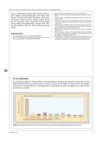
The document corrects a mistake by stating that pimecrolimus, not tacrolimus, is the drug that concentrates in the skin.
 May 1993 in “Medical Clinics of North America”
 Surgical hair replacement is a viable option for male pattern baldness when done with proper planning and realistic expectations.
 March 2021 in “PARIPEX INDIAN JOURNAL OF RESEARCH”
 Microneedling combined with platelet-rich plasma therapy is more effective for hair regrowth in androgenic alopecia than microneedling alone, but it's more painful.
 April 2018 in “Journal of Investigative Dermatology”
Topical minoxidil helps treat hair loss in teens, but more research needed for safe options.
 3 citations
,
October 2018 in “Journal of Drug Delivery and Therapeutics”
3 citations
,
October 2018 in “Journal of Drug Delivery and Therapeutics” People with polycystic ovary syndrome often experience anxiety and depression.
January 2005 in “Dialnet (Universidad de la Rioja)” Post-SSRI sexual dysfunction syndrome was formally recognized in 2006, impacting clinical practice and research.
October 2021 in “Skin appendage disorders”