188 citations
,
June 1998 in “Molecular cell” Researchers created a mouse with the same mutation as humans with trichothiodystrophy, showing similar symptoms and confirming the condition is due to defects in DNA repair and gene activity.
 January 2025 in “Cellular and Molecular Biology”
 The PIP5K1A gene helps cashmere growth in goats by promoting cell proliferation, and melatonin boosts its expression.
 15 citations
,
February 2015 in “Cell & tissue research/Cell and tissue research”
15 citations
,
February 2015 in “Cell & tissue research/Cell and tissue research” P-cadherin is important for hair growth and health, and its problems can cause hair and skin disorders.
 72 citations
,
November 2012 in “PloS one”
72 citations
,
November 2012 in “PloS one” The protein folliculin, involved in a rare disease, works with another protein to control how cells stick together and their organization, and changes in this interaction can lead to disease symptoms.
 4 citations
,
December 2013 in “The Journal of Dermatology”
4 citations
,
December 2013 in “The Journal of Dermatology” A new mutation in the K6b gene caused a girl's late-appearing nail condition.
 28 citations
,
November 2018 in “Journal of Cellular and Molecular Medicine”
28 citations
,
November 2018 in “Journal of Cellular and Molecular Medicine” CXXC5 is a protein that controls cell growth and healing processes, and changes in its activity can lead to diseases like cancer and hair loss.
8 citations
,
December 2003 in “Experimental Dermatology” Altering the keratin 17 gene in mice hair follicles caused temporary hair issues, but changes were minimal and short-lived.
175 citations
,
September 1998 in “British Journal of Dermatology” Keratin 17 gene mutations cause both steatocystoma multiplex and pachyonychia congenita type 2.
 11 citations
,
August 2010 in “Developmental neurobiology”
11 citations
,
August 2010 in “Developmental neurobiology” Ptprq has multiple forms that change during inner ear development.
 May 2026 in “Research Square”
 The polyG fragment in Hoxc13 protein helps evolve mammalian skin and hair by enhancing gene interactions.
 5 citations
,
January 2022 in “PloS one”
5 citations
,
January 2022 in “PloS one” Deleting the p63 gene in certain cells causes problems in thymus development and severe hair loss in mice.
 December 2023 in “The journal of investigative dermatology/Journal of investigative dermatology”
 MCPIP1 in myeloid cells is important for skin cancer development and healthy hair growth.
 December 2022 in “American journal of medical genetics. Part A”
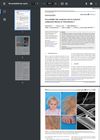
 A person got uncombable hair syndrome from two copies of chromosome 1 from their mother.
 60 citations
,
August 2008 in “Human molecular genetics online/Human molecular genetics”
60 citations
,
August 2008 in “Human molecular genetics online/Human molecular genetics” A position effect on the TRPS1 gene causes excessive hair growth in humans and mice.
37 citations
,
January 2010 in “Human Molecular Genetics” FTase and GGTase-I are essential for skin keratinocyte health.
25 citations
,
November 2020 in “Proceedings of the National Academy of Sciences” HoxC genes are crucial for normal hair and nail development.
 7 citations
,
December 2015 in “International Journal of Dermatology”
7 citations
,
December 2015 in “International Journal of Dermatology” New and known mutations in the hairless gene cause a hair loss condition called Atrichia with papular lesions.
 May 2015 in “Journal of Dermatological Science”
 Researchers found a new area on chromosome 2 linked to a genetic hair loss condition.
January 2022 in “Mammalian Genome” The wavy coat in NCT mice is caused by multiple genes, including a mutation in the Prss53 gene.
21 citations
,
June 2009 in “Mammalian genome” A new mutation in the Hr gene causes hair loss in mice, similar to a human hair disorder.
 98 citations
,
June 2001 in “Journal of biological chemistry/The Journal of biological chemistry”
98 citations
,
June 2001 in “Journal of biological chemistry/The Journal of biological chemistry” A cluster of sulfur-rich hair protein genes was found on chromosome 17.
1 citations
,
April 2025 in “BMC Veterinary Research” PSAT1 is key for hair growth and stem cell function in cashmere goats.
6 citations
,
March 2007 in “BioTechniques” PCR genotyping in cre-loxP mice can be inaccurate due to unintended gene deletions in non-target tissues.
28 citations
,
January 2015 in “Journal of Cell Science” PINCH-1 is crucial for skin cell adhesion and movement, working with EPLIN and ILK.
210 citations
,
February 2008 in “Nature genetics” Mutations in the P2RY5 gene cause autosomal recessive woolly hair.
33 citations
,
June 2007 in “Gene Expression Patterns” CTIP2 may help in skin development and maintenance.
22 citations
,
February 2012 in “Journal of Investigative Dermatology” A specific gene mutation causes severe skin and nail issues and hair loss.
60 citations
,
March 2006 in “Journal of Medical Genetics” A mutation in the KRTHB5 gene causes hair and nail issues.
19 citations
,
January 2015 in “Development” Hoxc8 gene helps start mammary gland development by controlling specific signals.
2 citations
,
April 2008 in “PubMed” A gene mutation causes monilethrix in a Chinese family.