 June 2020 in “Italian journal of gynaecology & obstetrics”
 The document concludes that PCOS in teenagers is hard to diagnose, influenced by various factors, and should be managed with lifestyle changes and medication.
 12 citations
,
January 2010 in “Pediatric Health”
12 citations
,
January 2010 in “Pediatric Health” Early treatment and lifestyle changes are important for managing PCOS in young people to prevent long-term health issues.
 2 citations
,
December 2022 in “Journal of Clinical Medicine”
2 citations
,
December 2022 in “Journal of Clinical Medicine” Medications for glucose metabolism and weight control, combined therapy options, and herbal medicines may help regulate menstrual cycle in adolescents with PCOS.
Individualized treatment plans, including lifestyle changes and specific medications, are crucial for managing PCOS in adolescents.
 9 citations
,
November 2016 in “Journal of medical science and clinical research”
9 citations
,
November 2016 in “Journal of medical science and clinical research” Only 22% of teenage girls in the study knew about PCOS, despite many having symptoms.
 3 citations
,
December 1997 in “Pediatric Clinics of North America”
3 citations
,
December 1997 in “Pediatric Clinics of North America” Pediatricians should advise sexually active teens on safe sex and STD prevention, and discuss contraceptive options and their side effects.
 6 citations
,
July 2017 in “Case Reports”
6 citations
,
July 2017 in “Case Reports” Hair loss, known as androgenic alopecia, can start in teenage years and may not always be hormone-related. It's important to do extra tests in young cases and remember it can greatly affect a teenager's mental health.
3 citations
,
October 2024 in “The Journal of Clinical Endocrinology & Metabolism” Potential androgen excess signs vary by demographics and health, needing inclusive evaluation.
May 2026 in “Comprehensive Psychoneuroendocrinology” Hair analysis can effectively assess long-term hormone activity in young children.
Researchers developed a quick and accurate method to measure hormones in urine, confirming a baldness treatment's effectiveness without altering hormone levels.
January 2024 in “Bioanalysis”  May 2024 in “Research Square (Research Square)”
 Pediatric androgenetic alopecia is linked to obesity, family history, hormonal imbalances, and requires personalized treatment including managing comorbidities.
January 2020 in “Medpluse International Journal of Anatomy” 26 citations
,
March 1981 in “Clinical Endocrinology” Oestrogen does not affect adrenal androgen levels in children and adolescents.
 October 2022 in “Journal of Pediatric and Adolescent Gynecology”
 A special blood test helped find the overactive ovary in a teen with PCOS, and removing that ovary improved her condition.
January 2023 in “Pediatrics International” Non-classical 21-hydroxylase deficiency can be missed in newborn screenings and should be considered in cases of early puberty or virilization.
July 2022 in “British Journal of Dermatology”  June 2025 in “Pediatric Annals”
 Early detection and treatment of hair loss in teens is crucial to prevent permanent loss and boost self-esteem.
21 citations
,
December 2015 in “Development Growth & Differentiation” DHT is crucial for urethral formation, and its disruption can affect masculinization and lead to hypospadias.

Early diagnosis and personalized treatment are crucial for managing pediatric androgenetic alopecia.
3 citations
,
November 2021 in “Stress” Girls had higher stress hormone levels during school due to social and emotional issues, while boys had higher overall hormone levels with slight changes when school started.
 22 citations
,
March 2021 in “European journal of endocrinology”
22 citations
,
March 2021 in “European journal of endocrinology” Primary amenorrhea and delayed puberty in females can be diagnosed and managed effectively.
July 2022 in “British Journal of Dermatology”  17 citations
,
October 2006 in “Molecular and Cellular Endocrinology”
17 citations
,
October 2006 in “Molecular and Cellular Endocrinology” The L457(3.43)R mutation in the human lutropin receptor causes increased activity and hormone insensitivity, leading to precocious puberty.
 16 citations
,
January 2005 in “Pediatric Dermatology”
16 citations
,
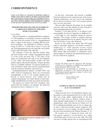
January 2005 in “Pediatric Dermatology” A 10-year-old girl with Fox Fordyce disease improved with treatment, suggesting the disease can occur before puberty and might be underdiagnosed in young girls.
 12 citations
,
January 2005 in “Pediatric Dermatology”
12 citations
,
January 2005 in “Pediatric Dermatology” Fox Fordyce disease might be more common in prepubertal girls than thought and can be managed with treatment.
3 citations
,
July 2015 in “International Journal of School Health” The most common PCOS type in adolescents is hyperandrogenic with polycystic ovaries.
 July 2015 in “NEJM Journal Watch”
 Diagnosing and treating PCOS in young people is difficult.
280 citations
,
May 2005 in “Andrology” Testosterone treatment for older men can have short-term benefits, but long-term risks are unclear, requiring careful evaluation and monitoring.
3 citations
,
April 1991 in “PEDIATRICS” Children with frequent urination don't need extensive tests or aggressive treatments.