 5 citations
,
October 2014 in “Journal of cosmetic and laser therapy”
5 citations
,
October 2014 in “Journal of cosmetic and laser therapy” Combining physical dermabrasion with chemical peeling is more effective for skin treatment than chemical peeling alone.
May 2005 in “Molecular Carcinogenesis” mrp/plf-mRNA can indicate tumor-promoting effects in skin.
 3 citations
,
November 2017 in “International Journal of Pharmacy and Pharmaceutical Sciences” 4 citations
,
October 2024 in “Heliyon”
3 citations
,
November 2017 in “International Journal of Pharmacy and Pharmaceutical Sciences” 4 citations
,
October 2024 in “Heliyon” CYP154C7 enzyme can effectively modify steroids and is promising for commercial use.
 May 2026 in “International Journal of Scientific Research in Chemistry”
 Finasteride breaks down into new compounds under acidic conditions.
 9 citations
,
July 2022 in “Dermatology and Therapy”
9 citations
,
July 2022 in “Dermatology and Therapy” The laser treatment effectively and safely improved keratosis pilaris.
 2 citations
,
December 2022 in “Pharmaceutics”
2 citations
,
December 2022 in “Pharmaceutics” The enzyme pyruvate kinase M2 helps hair regrowth and could be a potential treatment for hair loss.
December 2025 in “Journal of Cosmetic Dermatology” The new treatment improved keratosis pilaris symptoms and mood in 28 days.
7 citations
,
October 2019 in “Frontiers in bioengineering and biotechnology” Fusion proteins can protect hair from heat damage.
1 citations
,
May 2025 in “Journal of the Indian Chemical Society” May 2026 in “Applied In Vitro Toxicology” A new lab method helps assess respiratory risks of hair product aerosols without animal testing.
 April 2023 in “The journal of investigative dermatology/Journal of investigative dermatology”
 Blocking a key energy pathway in human hair follicles can trigger stress responses that stop cell growth.
 3 citations
,
May 2018 in “European Journal of Dermatology”
3 citations
,
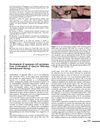
May 2018 in “European Journal of Dermatology” Photodynamic therapy may not work for erythroplasia of Queyrat and could lead to invasive squamous cell carcinoma.
 23 citations
,
January 2005 in “Nihon Ishinkin Gakkai zasshi”
23 citations
,
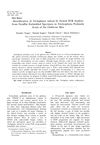
January 2005 in “Nihon Ishinkin Gakkai zasshi” Nested PCR can reliably identify fungal infections when traditional methods fail.
 10 citations
,
January 1985 in “Elsevier eBooks”
10 citations
,
January 1985 in “Elsevier eBooks” Active oxygen species might be involved in skin tumor growth, but their exact role is unclear.
42 citations
,
January 2002 in “Skin Pharmacology and Physiology” Reconstructed skin models are useful for studying how skin processes certain chemicals.
6 citations
,
August 2024 in “Advanced Science” A new method efficiently creates biaryl N-oxides with potential for cancer treatment and drug development.
8 citations
,
October 2022 in “International Journal of Molecular Sciences” The hydrogels improved healing in deep second-degree burns.
3 citations
,
September 2023 in “Journal of Photochemistry and Photobiology A Chemistry” 47 citations
,
April 2012 in “Analytical and Bioanalytical Chemistry”  August 2023 in “Journal of Student Research”
 Human hair keratin mixed with rubber slightly improves its strength and biodegradability.
36 citations
,
July 1987 in “Journal of toxicology and environmental health” Rats fed heated oils had less weight gain, more organ damage, and showed signs of toxicity compared to those fed fresh oils.
 60 citations
,
May 2015 in “Archives of dermatological research”
60 citations
,
May 2015 in “Archives of dermatological research” PPAR agonists show promise for skin conditions but need more research before being a main treatment.
 3 citations
,
January 2007 in “Journal of health science”
3 citations
,
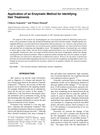
January 2007 in “Journal of health science” The enzymatic method can effectively identify chemical treatments on hair.
 May 2019 in “Pakistan Journal of Pharmaceutical Sciences”
 CO2 laser treatment may be more effective for skin rejuvenation.
146 citations
,
September 2013 in “Advances in nutrition” Bariatric surgery can cause serious mineral deficiencies, requiring better patient education and monitoring.
119 citations
,
June 2021 in “Heliyon” Licorice has many health benefits but should be used carefully due to possible side effects.
92 citations
,
December 2020 in “Brain Sciences” Indian herbs like Bacopa monnieri and Centella asiatica may help memory, but more research is needed.
88 citations
,
May 2024 in “Journal of Extracellular Vesicles” Extracellular vesicles show promise as treatments but need more research for safety and effectiveness.
70 citations
,
May 2023 in “Molecules” Ginkgo biloba has health benefits but also contains toxic compounds, driving interest in its use in medicine and food.