7 citations
,
January 2002 in “PubMed” Prolonged UVB exposure causes significant skin changes and damage in rats.
Cryotherapy is the best depigmentation method for vitiligo but needs an expert to perform it.
7 citations
,
January 2020 in “Dermatology online journal” An adult with a rare skin condition improved with tazarotene treatment.
 15 citations
,
March 2015 in “Experimental Dermatology”
15 citations
,
March 2015 in “Experimental Dermatology” Clotrimazole, an antifungal cream, may safely reduce skin pigmentation by breaking down the enzyme needed for making melanin.
 32 citations
,
June 2017 in “Journal of infection/The Journal of infection”
32 citations
,
June 2017 in “Journal of infection/The Journal of infection” The document concludes that terbinafine is effective for treating scalp fungal infections in children and recommends not excluding them from school during treatment, while also highlighting the need for updated treatment guidelines due to changing infection patterns.
1 citations
,
January 2024 in “Journal of clinical medicine” Early recognition and treatment of tinea capitis are crucial to prevent severe scalp issues and prolonged therapy.
31 citations
,
February 1999 in “Dermatologic surgery” Sun exposure after laser hair removal can cause skin darkening, which is hard to treat and requires avoiding UV light.
December 2024 in “JAAD International” 1 citations
,
February 2023 in “Pediatric Dermatology” Early recognition of symptoms is crucial for treating IPEX syndrome with a stem cell transplant.
3 citations
,
April 2022 in “Our Dermatology Online” Thyroid disorders are linked to skin conditions like vitiligo and hair loss, so thyroid tests are recommended.
 April 2024 in “Indian Journal of Paediatric Dermatology”
 Congenital triangular alopecia and vitiligo can occur together, but treatment for one may not affect the other.
 9 citations
,
April 2024 in “Cureus”
9 citations
,
April 2024 in “Cureus” Vogt-Koyanagi-Harada disease affects vision and skin, mainly in people with darker skin, and is treated with steroids and immunosuppressants.
July 2025 in “Pediatric Transplantation” A rare skin infection in a 10-year-old kidney transplant patient was successfully managed by adjusting medication.
13 citations
,
December 2012 in “Medical mycology case reports” Misdiagnosis led to permanent hair loss, stressing the need for proper scalp tests.
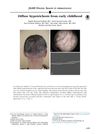 September 2016 in “Journal of The American Academy of Dermatology”
 The girl has a genetic hair condition causing thin hair since childhood.
 January 2007 in “Revista del Centro Dermatológico Pascua”
 A 2-year-old boy was diagnosed with a rare genetic condition causing fragile hair, intellectual issues, and short stature.
16 citations
,
September 1999 in “Journal of Investigative Dermatology Symposium Proceedings”  53 citations
,
September 2007 in “Veterinary dermatology”
53 citations
,
September 2007 in “Veterinary dermatology” Allergic cats with yeast overgrowth improved with antifungal treatment.
 May 2025 in “Pediatric Dermatology”
 Topical and oral minoxidil are the best treatments for monilethrix.
 July 2026 in “International Journal of Molecular Sciences”
 Vitiligo treatment is improving with new drugs and therapies, focusing on personalized and combined approaches.
5 citations
,
April 2019 in “Veterinary Dermatology” Cats infested with Lynxacarus radovskyi can lose hair without inflammation, treatable with selamectin.
1 citations
,
January 2008 April 2019 in “Journal of parasitic diseases” A Persian cat and its owner fully recovered from Cheyletiellosis after treatment.
22 citations
,
September 1986 in “Journal of Investigative Dermatology” Low-dose topical alpha-terthienyl may be a safer option for treating skin conditions with light therapy.
July 2026 in “Scholars Journal of Medical Case Reports” This case report discusses a 37-year-old woman with the rare coexistence of alopecia areata, lichen planopilaris, and lichen planus pigmentosus. The patient experienced diffuse non-scarring alopecia, scar-like patches, and loss of body hair. Trichoscopy and biopsies revealed distinct characteristics of each condition, such as follicular miniaturization and interface folliculitis. Treatment with monthly intravenous corticosteroid pulses and weekly methotrexate stabilized the condition and led to slight regrowth of scalp and eyebrow hair after one year, although pigmentation changes persisted. The report highlights the importance of examining different scalp zones separately and targeting active areas for biopsy, as scarring and non-scarring alopecias may coexist and require different treatment approaches.
39 citations
,
March 2017 in “Dermatologic clinics” UV light can help stimulate the growth of new pigment cells from hair follicles in people with vitiligo.
July 2024 in “Skin Appendage Disorders” Early detection of scalp signs can prevent permanent scarring in Lichen Planopilaris.
 September 1995 in “American Journal of Contact Dermatitis”
 Antiyeast treatments work better for seborrheic dermatitis than steroids, and other findings include increased skin bacteria under plastic wrap, a nasal cell defect in Staphylococcus aureus carriers, quick resolution of certain skin reactions, high rubber latex allergy in spina bifida patients, and glyceryl monopentadecanoate's effectiveness for male hair loss.
A fungal infection caused the skin issue, and it was cured with antifungal treatment.