
L-PGDS has specific binding sites for its functions and could help in drug delivery system design.

Live imaging helps us understand skin immune responses and develop treatments.
 January 2019 in “Applied Organometallic Chemistry”
 The compound (NH4)2Mn0.17Cu0.83Cl4.2H₂O has a specific structure, shows weak magnetism at low temperatures, and undergoes phase changes at high temperatures.

Optical Coherence Tomography has potential in diagnosing hair loss and monitoring blood clotting, and could be improved for deeper tissue observation and better hair loss understanding.
 January 2018 in “Springer eBooks”
 Lasers are FDA-approved for permanent hair reduction, not removal, and more research is needed to improve treatments.
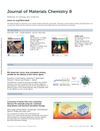 January 2016 in “Journal of Materials Chemistry B”
 Advancements in biomaterials and nanotechnology are improving medical applications like hair growth, bone regeneration, and cancer treatment.
 August 2015 in “MOJ proteomics & bioinformatics”
 ePUKs could be valuable for regenerative medicine due to their wound healing abilities.
 June 2015 in “Vestnik dermatologii i venerologii”
 Growth factors influence hair growth and hair loss.
 January 2015 in “VetPharma”
 Alopecia X causes hair loss in young plush-coated dogs and can be treated with various therapies, but hair may regrow and then fall out again.
 January 2006 in “Carl von Ossiezky University of Oldenburg”
 Unpigmented keratinocytes absorb substances faster, while melanocytes bind more strongly to melanin.
 September 2020 in “International journal of computer science and mobile computing”
 Low-level laser therapy can stimulate hair growth and increase hair density, making it a promising treatment for hair loss.
 January 2020 in “Química Nova”
 The PW91 method is best for calculating the basic physical and chemical properties of Finasteride, a drug used for prostate issues and hair loss.
 April 2018 in “Journal of Chromatographic Science”
 Finasteride's stability and safety confirmed through precise analytical methods.
 82 citations
,
August 2017 in “Cell Reports”
82 citations
,
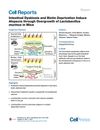
August 2017 in “Cell Reports” An imbalanced gut and lack of biotin can cause hair loss in mice.
 24 citations
,
May 2016 in “Stem Cell Reviews and Reports”
24 citations
,
May 2016 in “Stem Cell Reviews and Reports” The document concludes that understanding how adult stem and progenitor cells move is crucial for tissue repair and developing cell therapies.
 January 2025 in “Iraqi Journal of Science”
 PDCD4 protein levels, affected by genetics and breastfeeding, may predict breast cancer treatment response.
November 2025 in “Bioactive Materials” TQC shows promise for better hair regrowth in treating hair loss.
10 citations
,
November 2018 in “bioRxiv (Cold Spring Harbor Laboratory)” New laser particles can track thousands of cells in 3D models, improving single-cell analysis.
January 2026 in “AppliedMath” Pattern mode isolation improves the reliability and predictability of Turing patterns.
109 citations
,
November 2011 in “Nature Neuroscience”  April 2026 in “Journal of Pharmaceutical and BioTech Industry”
 AI-enhanced smart patches can personalize drug delivery for better treatment outcomes.
 March 2023 in “Scientific Reports”
 Using focused ultrasound on the brain can help epilepsy medicine work better in rats.
July 2026 in “Materials Today Bio” The MQ complex helps heal melanoma wounds by controlling ROS levels with light.
 May 2017 in “Journal of The American Academy of Dermatology”
 An intact skin barrier is crucial to prevent infection in cases of tether-induced tenosynovitis.
April 2025 in “Journal of Pharma Insights and Research.” Ultrasound and laser technologies improve drug delivery through the skin by enhancing penetration and control.
 11 citations
,
July 1999 in “Plastic and Reconstructive Surgery”
11 citations
,
July 1999 in “Plastic and Reconstructive Surgery” Surgical treatment for cubital tunnel syndrome can be effective using clinical tests without electrodiagnostics.
May 2025 in “Drug Delivery and Translational Research” September 2017 in “Journal of Investigative Dermatology” QMSI effectively maps and quantifies drug distribution in skin tissues.
21 citations
,
December 2015 in “European journal of cell biology” Tight junctions create a barrier in pig hair follicles that controls what can enter the skin.
36 citations
,
August 2020 in “Polymers” The patch delivers more drugs through the skin effectively.