69 citations
,
January 2009 in “Advances in Materials Science and Engineering” Wool keratin is reactive, biocompatible, biodegradable, and can model keratin from other sources.
 June 2026 in “Frontiers in Marine Science”
 Codium sp. seaweed fractions can enhance skincare and be used for biochar, promoting sustainability.
 May 2026 in “Scientific and Technical Bulletin оf State Scientific Research Control Institute of Veterinary Medical Products and Fodder Additives аnd Institute of Animal Biology”
 Zinc carbonate nanoparticles are not irritating or absorbed by the skin.
 February 2025 in “International Journal of Cosmetic Science”
 A new amino acid derivative, ATS, improves hair texture and moisture, making it easier to straighten curly hair.
 37 citations
,
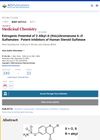
September 2003 in “Journal of Medicinal Chemistry”
37 citations
,
September 2003 in “Journal of Medicinal Chemistry” A substance called Compound 2g can strongly block STS (a hormone-related enzyme) without affecting estrogen levels, making it potentially good for treating breast cancer.
 October 2022 in “ACS Applied Materials & Interfaces”
 The hydrogel is versatile and easy to make.
11 citations
,
September 1996 in “Journal of applied polymer science” Potassium cyanide treatment changes hair's disulfide bonds, making it more elastic.
January 2026 in “SSRN Electronic Journal” 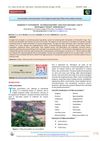 March 2023 in “International journal of pharmaceutical sciences review and research”
 The F2 Emulgel with Tridax procumbens extract showed good physical properties and antimicrobial effectiveness for wound healing.
 15 citations
,
January 2022 in “Journal of Oleo Science”
15 citations
,
January 2022 in “Journal of Oleo Science” Phytosomal nanocarriers can significantly increase the bioavailability of Cuscuta reflexa extract.
December 2025 in “Pharmacological Research - Natural Products” Shrimp extracts may help heal burns and fight bacteria.
3 citations
,
January 1985 in “Drug development and industrial pharmacy” Additives like ethanol and propylene glycol increase the release of zinc pyrithione from shampoo.
1 citations
,
December 2022 in “Skin Research and Technology” The technique helps measure how hair styling ingredients affect hair's stiffness and flexibility.
3 citations
,
March 2024 in “Journal of Biomedical Materials Research Part A” The nanogel helps wounds heal without scars.
July 2023 in “Nature Reviews Chemistry” A new method strengthens hair without using harmful chemicals.
 13 citations
,
March 2006 in “International Journal of Cosmetic Science”
13 citations
,
March 2006 in “International Journal of Cosmetic Science” The study found that a polymer treatment changes the charge on hair surfaces, making bleached hair smoother and less porous.
22 citations
,
August 2015 in “PloS one” Keratin from hair binds well to gold and BMP-2, useful for bone repair.
49 citations
,
January 1972 in “Biochimica et Biophysica Acta (BBA) - Protein Structure” 71 citations
,
September 2013 in “Materials Science and Engineering C” Keratin-based hydrogels from human hair and wool are promising for wound dressings and are more eco-friendly.

A natural, eco-friendly treatment using casein and tannic acid strengthens hair by 21% while keeping it elastic.
 2 citations
,
September 2022 in “Composites Part B: Engineering”
2 citations
,
September 2022 in “Composites Part B: Engineering” Pacific oyster peptides may help wounds heal without scars.
 September 2024 in “Journal of Clinical and Nursing Research”
 Combining Chuzhi Shengfa Tablets with ketoconazole shampoo or 5% minoxidil foam effectively promotes hair growth in men.
July 2007 in “International Journal of Cosmetic Science” The new polymer improves dyed hair's color, moisture, shine, and smoothness.
Iontophoresis and chitosan microparticles improve minoxidil delivery and retention for hair loss treatment.
 4 citations
,
July 2025 in “International Journal of Nanomedicine”
4 citations
,
July 2025 in “International Journal of Nanomedicine” Nano-quercetin improves quercetin's effectiveness in treating diseases but faces challenges in safety and production.
 111 citations
,
August 2002 in “Journal of Medicinal Chemistry”
111 citations
,
August 2002 in “Journal of Medicinal Chemistry” New compounds were made that block an enzyme linked to breast cancer better than existing treatments.
18 citations
,
January 2021 in “Theranostics” The targeted nanohybrids effectively reduced psoriasis symptoms and improved skin health.
 13 citations
,
May 2016 in “International journal of biological macromolecules”
13 citations
,
May 2016 in “International journal of biological macromolecules” Keratin's mechanical properties are influenced by hydrogen bonds and secondary structure, and can be improved with the SPD-2 peptide.
 9 citations
,
December 2024 in “Nano Research”
9 citations
,
December 2024 in “Nano Research” A protein-based hydrogel helps heal diabetic wounds and repair nerves.
 January 2006 in “Journal of Society of Cosmetic Chemists of Japan”
 The new hybrid polymer improves dyed hair's color, feel, and manageability.