1 citations
,
October 2025 in “International Journal of Dermatology” Ritlecitinib improves emotional well-being and activity levels in alopecia areata patients.
 October 2020 in “Journal of Pharmaceutical Sciences”
 Topical finasteride with EGCG or TA improves drug release and dermal uptake, potentially treating hair loss effectively.
Cetirizine-loaded gel may effectively promote hair growth in alopecia.
2 citations
,
July 2019 in “International Journal of Neuroscience and Behavioral Science” Thevetia peruviana bark extract reduces pain in mice and may help create new painkillers.
1 citations
,
July 2006 in “American Journal of Psychiatry” Lamotrigine can cause hair loss.
 May 2025 in “Experimental Dermatology”
 Triphenylphosphine oxide can increase oil production and reduce inflammation in skin cells without affecting TRPM5.
March 2005 in “The Nurse Practitioner”  23 citations
,
January 2001 in “Chemical & Pharmaceutical Bulletin”
23 citations
,
January 2001 in “Chemical & Pharmaceutical Bulletin” New pregnane derivatives are effective at inhibiting an enzyme linked to hair loss and reducing oil gland activity.
March 1999 in “Annals of the Academy of Medicine Singapore” Trichotillomania is a chronic condition where people uncontrollably pull out their hair, often needing medication and therapy for treatment.
January 2025 in “Seizure” Dual anti-seizure medications, especially valproic acid with lamotrigine, often cause more side effects like hair loss and memory issues.
 180 citations
,
November 1991 in “American Journal of Psychiatry”
180 citations
,
November 1991 in “American Journal of Psychiatry” Fluoxetine was not effective in treating hair-pulling disorder in the short term.
1 citations
,
September 2023 in “Journal of the American Academy of Dermatology” Continued ritlecitinib treatment can lead to hair regrowth in some patients with alopecia areata who initially don't respond.
3 citations
,
April 2024 in “JAAD Case Reports” DPCP may be safe for treating alopecia during pregnancy, but more research is needed.
 July 2022 in “Media Dermato Venereologica Indonesiana”
 The combination of PRP and triamcinolone injections improved hair growth in a man with alopecia areata.
 4 citations
,
May 2011 in “Movement Disorders”
4 citations
,
May 2011 in “Movement Disorders” A woman's unique dementia was misdiagnosed, a genetic mutation increases Parkinson's risk with age, and finasteride may help with Tourette syndrome.
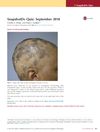 August 2018 in “Journal of Investigative Dermatology”
 Tofacitinib may help regrow hair in alopecia areata patients.
 1 citations
,
February 2014 in “Archiv Der Pharmazie”
1 citations
,
February 2014 in “Archiv Der Pharmazie” Carbamates may help treat androgen-dependent conditions by changing how certain lipid enzymes are produced.
 12 citations
,
June 2012 in “Revista da Sociedade Brasileira de Medicina Tropical”
12 citations
,
June 2012 in “Revista da Sociedade Brasileira de Medicina Tropical” A family had a rare fungal infection called white piedra, identified as Trichosporon inkin.
2 citations
,
March 2016 in “Düşünen Adam” Switching from escitalopram to duloxetine improved hair loss.
2 citations
,
January 2007 in “edoc (University of Basel)” Piper cubeba and Aquilaria sinensis may help prevent or treat prostate issues by balancing hormones.
48 citations
,
July 2023 in “Pediatric Dermatology” Ritlecitinib effectively regrows hair in adolescents with alopecia areata and is safe.
June 2025 in “Revista Foco” JAK inhibitors effectively treat severe alopecia areata with manageable side effects.
May 2025 in “Journal of the European Academy of Dermatology and Venereology” Ritlecitinib is effective for long-term hair regrowth in alopecia areata, especially in females and early treatment.
 October 2024 in “Journal of Advanced Pharmaceutical Technology amp Research”
 Trigonelline nanocrystal cream effectively promotes hair growth and may reduce side effects.
29 citations
,
April 1997 in “Developmental Dynamics” Trypsin slows hair growth and affects color by causing cell death in hair follicles.
January 2026 in “International Journal of Dermatology” Ritlecitinib helps hair regrowth and reduces emotional and functional burdens in alopecia areata.
July 2009 in “Guoji yiyao weisheng daobao” Combining α1A-blockers with Prozac is more effective for treating premature ejaculation than Prozac alone.
3 citations
,
October 2018 in “Journal of cosmetic dermatology” Pentoxifylline alone and combined with triamcinolone acetonide is effective for treating localized alopecia areata, with the combination showing the highest effectiveness.
January 2005 in “Yaowu fenxi zazhi” The method accurately measures finasteride in human plasma quickly and reliably.
 17 citations
,
April 2021 in “Clinical Phytoscience”
17 citations
,
April 2021 in “Clinical Phytoscience” Chitrak is a medicinal plant with health benefits like fighting microbes, reducing inflammation, and promoting hair growth, but it can be toxic and needs more research.